Why Look for Alternatives to Aporia?
Aporia, while a robust observability tool, has its limitations that can drive users to seek alternatives. One major concern is the lack of transparent pricing information since its acquisition by Coralogix. This obscurity can create uncertainty in budgeting for teams that rely on observability tools for performance monitoring. In addition, Aporia may not address specific use cases effectively, particularly for smaller teams or projects that require more tailored solutions for their unique needs. Users have reported that, while Aporia provides real-time insights, the platform can be overwhelming and complex to navigate, especially for those who are new to observability tools.
Another pain point is Aporia's focus on larger-scale applications, which may not serve the needs of startups and smaller projects that cannot afford a premium-level tool. These users often find themselves paying for features they do not use, which adds to the frustration. Additionally, Aporia's integration capabilities, while decent, may not be as extensive as those offered by some competitors, limiting its utility in diverse development environments. Given these factors, many users are actively searching for alternatives that can provide better pricing structures, user-friendliness, and more specific features tailored to their needs.
Best Alternatives to Aporia in 2026
GitHub Copilot - Best for AI-Powered Code Completion
GitHub Copilot is a leading AI-driven code completion tool that allows developers to write code faster and more efficiently with intelligent suggestions across various programming languages. Unlike Aporia, which primarily focuses on observability and monitoring, GitHub Copilot enhances the coding experience by integrating seamlessly with popular IDEs, providing context-aware code suggestions. This makes it an ideal alternative for developers looking to boost their productivity while coding without the steep learning curve often associated with observability tools.
For developers who frequently encounter repetitive coding tasks or those who struggle with syntax in different programming languages, GitHub Copilot stands out with its advanced AI capabilities that can adapt to individual coding styles. Its ability to reduce the time spent on boilerplate code allows teams to focus on more critical aspects of development. The tool is especially beneficial for both new and experienced developers who want to enhance their coding workflow. However, it is essential to note that GitHub Copilot may not be suitable for projects that require extensive real-time monitoring, which is where Aporia excels.
- Key Strength: AI-powered suggestions that improve coding efficiency significantly.
- Key Strength: Seamless integration with popular development environments.
- Key Strength: Adaptive learning from individual coding styles.
- Limitation: Not designed for observability or monitoring of applications.
Pricing: Individual $10/mo, Business $19/user/month. Best for: Developers looking for enhanced coding speed and efficiency.
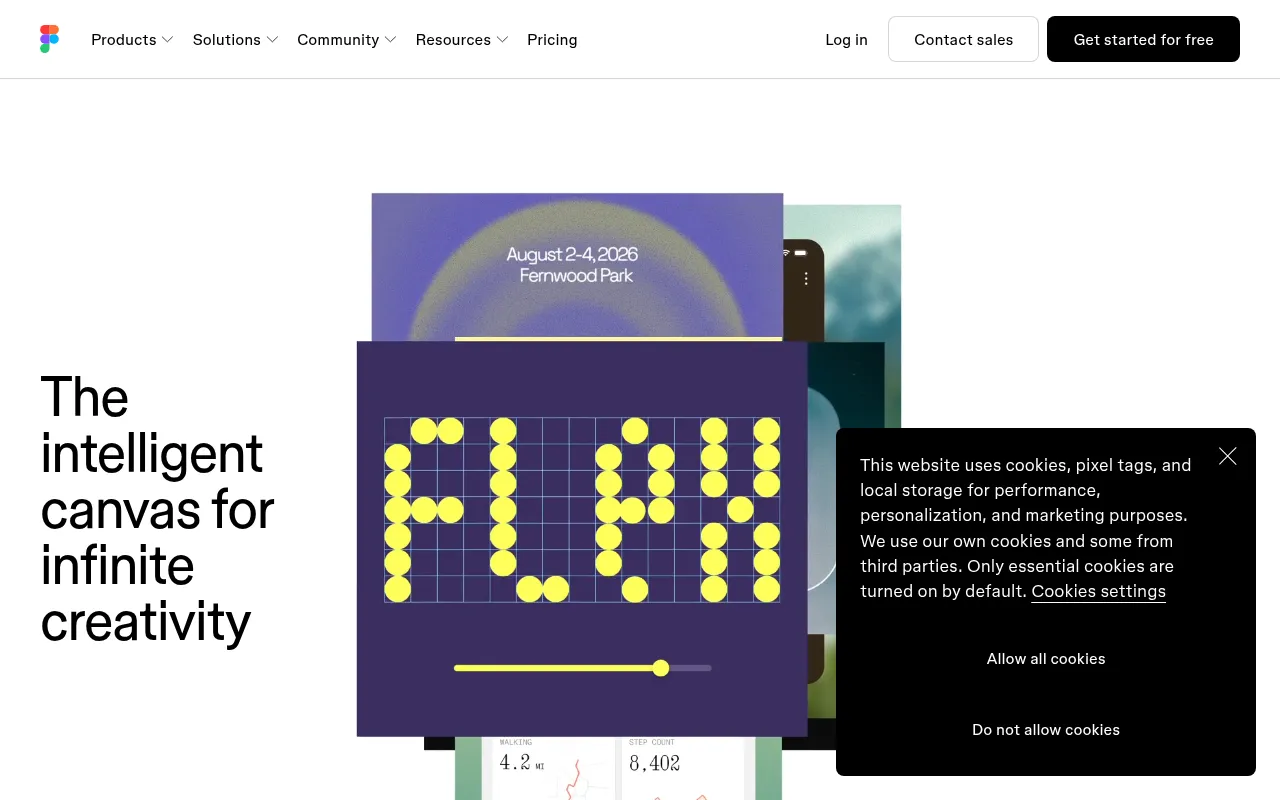
Figma - Best for Collaborative Design
Figma is a powerful collaborative design tool that allows teams to design, prototype, and collaborate on UI/UX projects in real-time. Unlike Aporia, which is tailored for developers focusing on software performance, Figma caters to designers and product teams, making it an excellent choice for organizations that prioritize design collaboration. Its intuitive interface and extensive set of design tools enable teams to work together seamlessly, regardless of their geographical locations. Figma's cloud-based nature ensures that all team members can access and edit designs in real-time, reducing friction in the design process.
Moreover, Figma supports integrations with various developer tools, allowing for a smoother transition from design to development. This feature is particularly valuable for teams that require consistent and efficient workflows between designers and developers. While Aporia focuses on performance monitoring, Figma enhances the creative process, offering features like component libraries and design systems that streamline the design workflow. However, it does lack the observability capabilities that Aporia provides, meaning it is not a suitable replacement for performance monitoring tasks.
- Key Strength: Real-time collaboration features that enhance teamwork.
- Key Strength: Extensive design tools and prototyping capabilities.
- Key Strength: Strong integration with developer tools for seamless handoff.
- Limitation: Not equipped for application performance monitoring.
Pricing: Free for 3 projects, Professional $15/editor/mo, Organization $45/editor/mo. Best for: Design teams looking for collaborative tools to enhance UI/UX development.
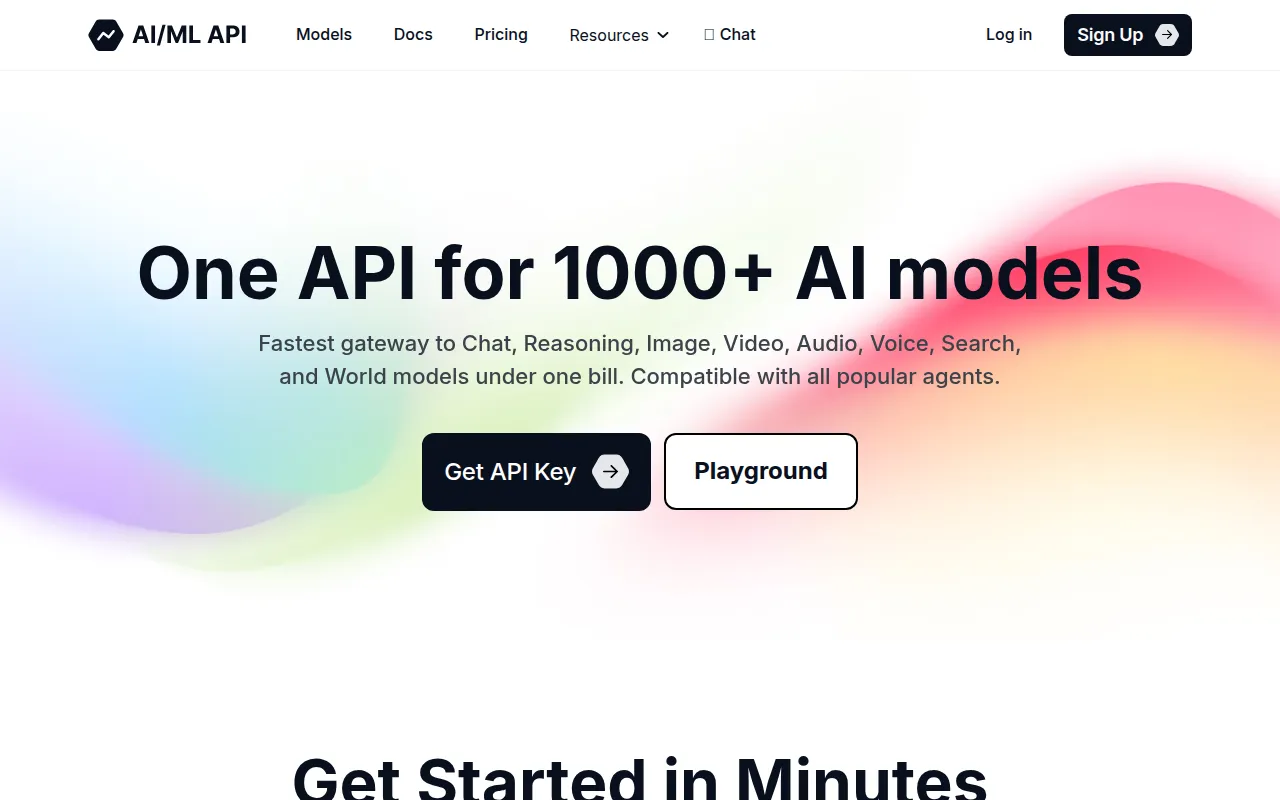
AI/ML API - Best for Versatile AI Solutions
The AIML API offers developers access to over 500 AI models through a single API, making it an excellent alternative for teams seeking versatile AI solutions. Aporia primarily focuses on observability, while AIML API provides a broad spectrum of AI functionalities that can be tailored to specific project needs. This flexibility allows developers to leverage various AI models for tasks such as natural language processing, image recognition, and data analysis, making it a powerful tool for diverse applications.
Moreover, AIML API operates on a pay-as-you-go pricing model, which can be more cost-effective for startups and small teams that may not need a full suite of features at all times. This contrasts with Aporia's model, which may not provide the same level of cost control or flexibility. Additionally, the AIML API is designed to be developer-friendly, providing comprehensive documentation and support to facilitate easy integration into existing workflows. However, users should note that it does not provide observability features and is more focused on AI capabilities.
- Key Strength: Access to a wide range of AI models for various applications.
- Key Strength: Flexible pay-as-you-go pricing structure.
- Key Strength: Comprehensive documentation for easy integration.
- Limitation: Lacks observability and monitoring functionalities.
Pricing: Freemium with a pay-as-you-go model. Best for: Developers seeking flexible AI solutions for various applications.
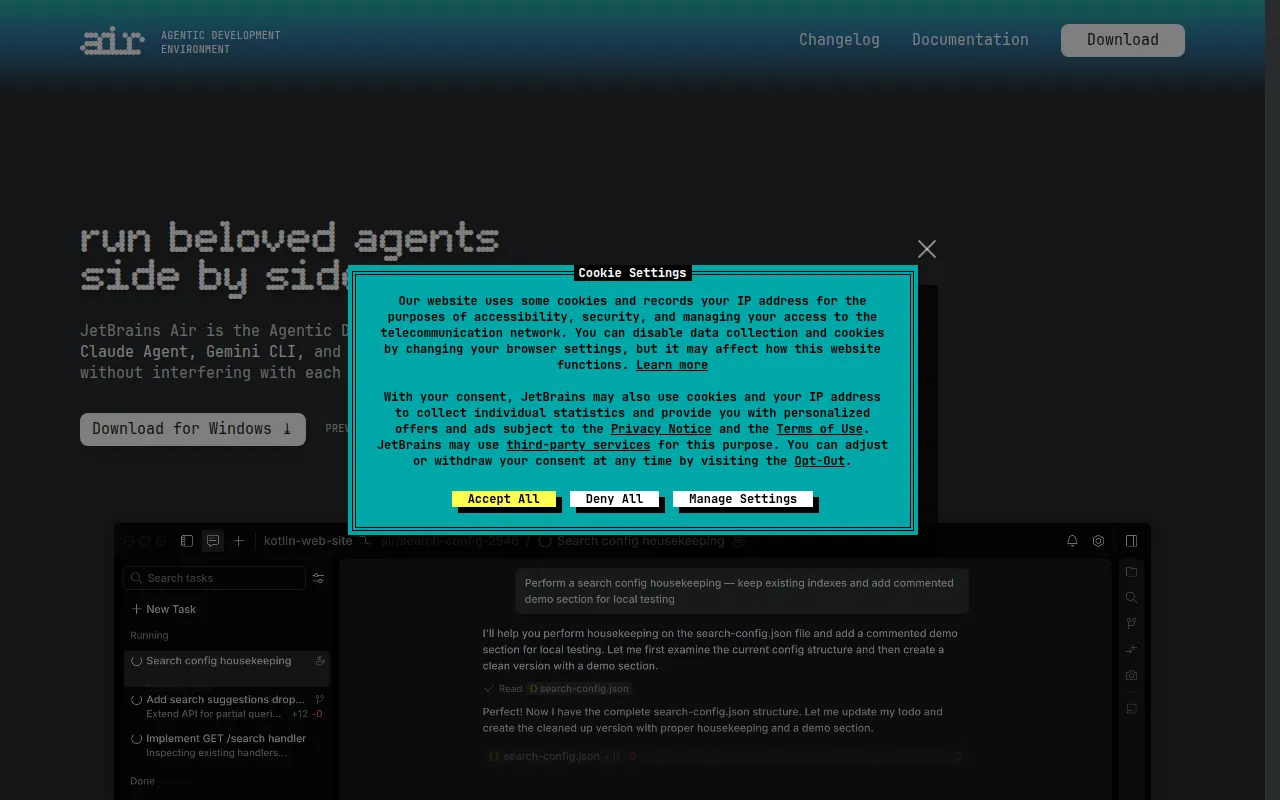
Air - Best for Agentic Development
Air is an innovative Agentic Development Environment that allows developers to handle multiple tasks simultaneously with independent agents managing different aspects of a project. This unique approach contrasts with Aporia's focus on performance monitoring, as Air enhances developer productivity by enabling multitasking without the usual context-switching overhead. This makes it particularly beneficial for teams that need to juggle various tasks and projects in a fast-paced development environment.
The main advantage of Air lies in its ability to empower developers to work on different components or features concurrently, which can significantly speed up the development process. Furthermore, Air's structure enables teams to customize their workflows according to their specific needs, providing a level of flexibility that Aporia does not offer. However, it is important to note that Air may not provide the same level of performance monitoring or analytics that Aporia specializes in, making it less suitable for applications where observability is critical.
- Key Strength: Independent agents for managing various development tasks.
- Key Strength: Enhanced multitasking capabilities for developers.
- Key Strength: Customizable workflows tailored to team needs.
- Limitation: Lacks performance monitoring features found in Aporia.
Pricing: Freemium. Best for: Developers looking for a multitasking environment to enhance productivity.
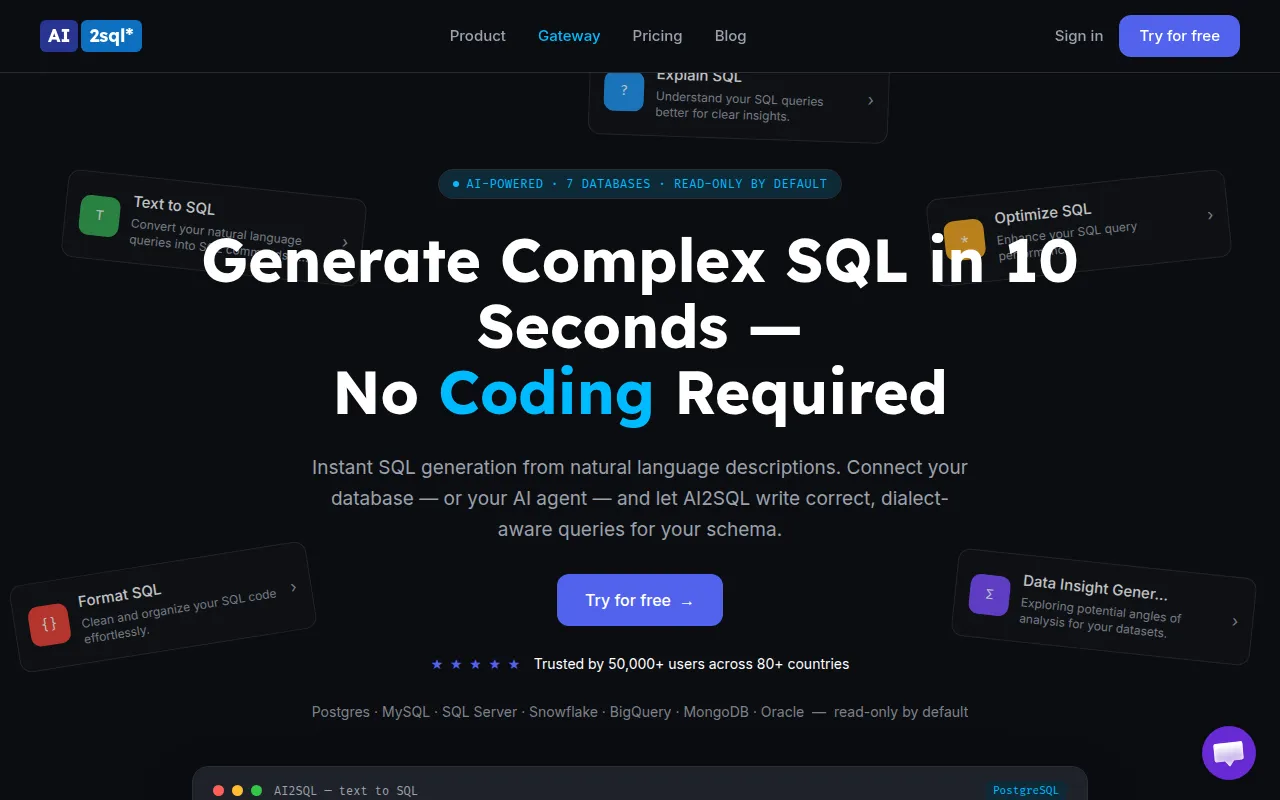
AI2sql - Best for Non-Technical Users Needing SQL Queries
AI2sql is a powerful AI-powered SQL query builder that enables users to generate SQL queries from natural language inputs, making it accessible for those without prior SQL knowledge. This sets it apart from Aporia, which does not cater to non-technical users in the same way. AI2sql empowers business analysts and other non-technical team members to extract insights from databases without needing to understand the complexities of SQL syntax. This democratization of data access can significantly enhance a team's ability to make data-driven decisions.
Additionally, AI2sql offers a user-friendly interface that simplifies the query-building process, allowing users to focus on the questions they want to answer rather than the technicalities of SQL. It provides immediate value to organizations that require quick and easy access to data insights without investing in extensive training or resources. However, it is essential to acknowledge that AI2sql does not provide the monitoring and observability features that Aporia is known for, making it less suitable for teams that need to keep track of performance metrics.
- Key Strength: Natural language processing to generate SQL queries easily.
- Key Strength: User-friendly interface designed for non-technical users.
- Key Strength: Immediate value for data access without extensive training.
- Limitation: Lacks observability and monitoring capabilities.
Pricing: Basic plan $9/month, Pro plan $24/month. Best for: Non-technical users needing easy access to SQL queries.
AgentOps - Best for Building AI Agents
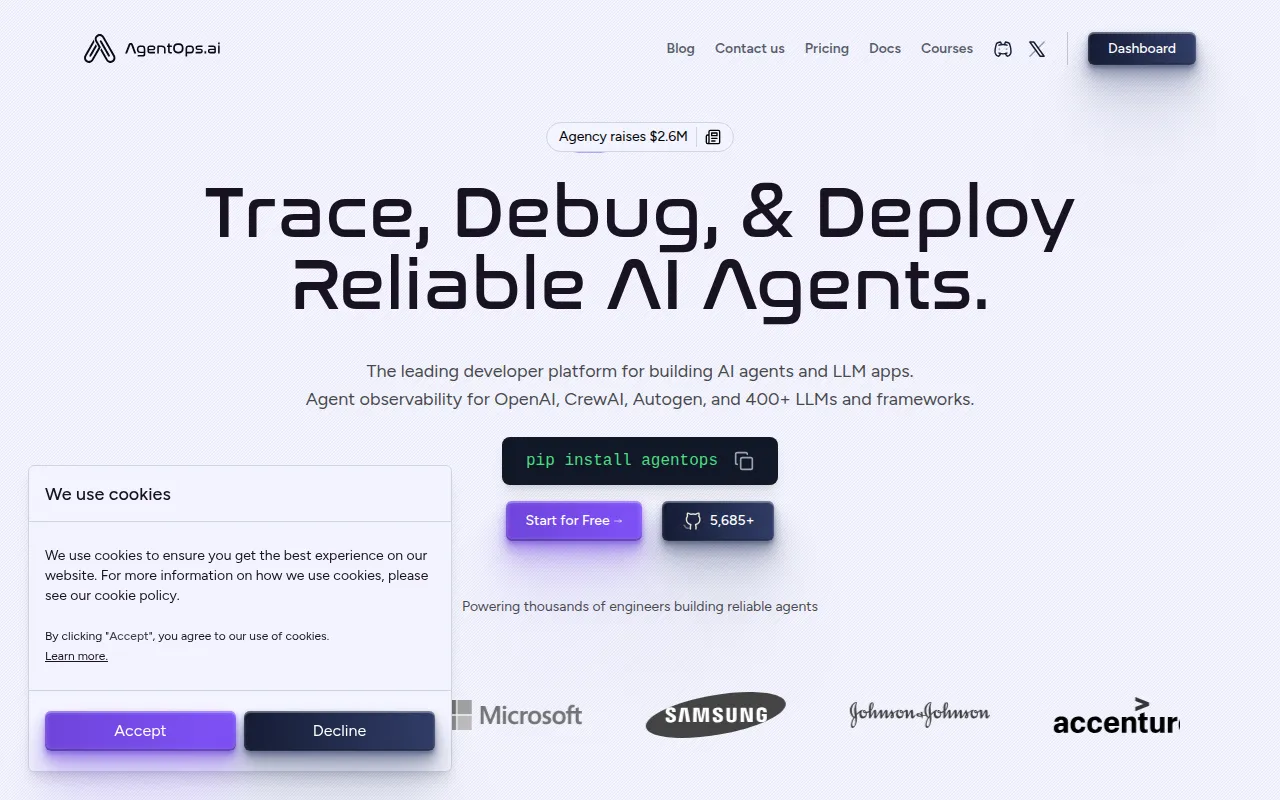
AgentOps is a developer platform designed for building, debugging, and deploying AI agents and LLM applications. Unlike Aporia, which focuses on observability, AgentOps provides specialized tools for developers looking to create intelligent applications. This makes it a valuable alternative for teams focused on innovative AI solutions rather than performance monitoring. The platform offers a range of features that streamline the development process, including debugging tools and deployment options tailored to AI applications.
AgentOps is particularly beneficial for developers who want to leverage AI technologies without having to navigate the complexities of traditional programming. Its user-friendly interface and comprehensive feature set provide a supportive environment for building sophisticated AI agents. However, it is important to note that while AgentOps excels in AI development, it does not provide the performance monitoring and observability features that Aporia specializes in, making it less suitable for teams that prioritize software performance metrics.
- Key Strength: Specialized tools for building and deploying AI agents.
- Key Strength: User-friendly interface for non-experts in AI development.
- Key Strength: Comprehensive debugging tools for efficient development.
- Limitation: Lacks observability features found in Aporia.
Pricing: Freemium. Best for: Developers focused on building AI agents and LLM applications.
AdaL - Best for Efficient Coding Assistance
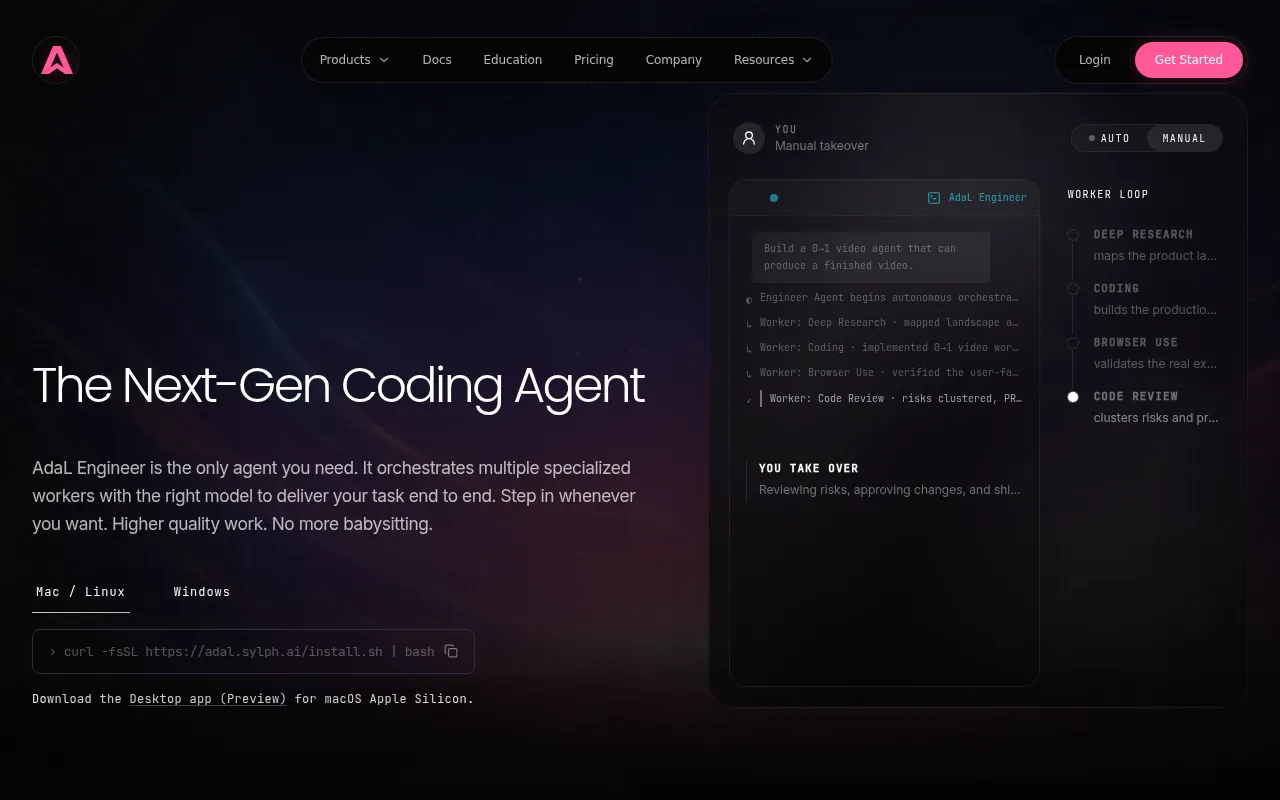
AdaL is an advanced AI coding assistant designed specifically for teams, focusing on efficient coding and project management. Unlike Aporia, which centers on performance observability, AdaL streamlines the coding process, making it a compelling choice for development teams looking to improve productivity. By providing intelligent suggestions and automating repetitive tasks, AdaL allows developers to focus on more complex challenges and reduces the chances of errors in code.
The collaborative features of AdaL enable teams to work together more effectively, providing insights into code quality and facilitating better project management. This makes it ideal for teams that need to improve their coding efficiency while maintaining high-quality standards. However, it is important to recognize that while AdaL excels in coding assistance, it does not offer the performance monitoring capabilities that Aporia provides, which can be a significant drawback for teams needing analytics on software performance.
- Key Strength: Intelligent coding assistance that enhances productivity.
- Key Strength: Collaborative features for improved team dynamics.
- Key Strength: Insights into code quality to maintain high standards.
- Limitation: Lacks observability and monitoring functionalities.
Pricing: Freemium. Best for: Development teams looking for enhanced coding assistance.
Anything API - Best for API Management
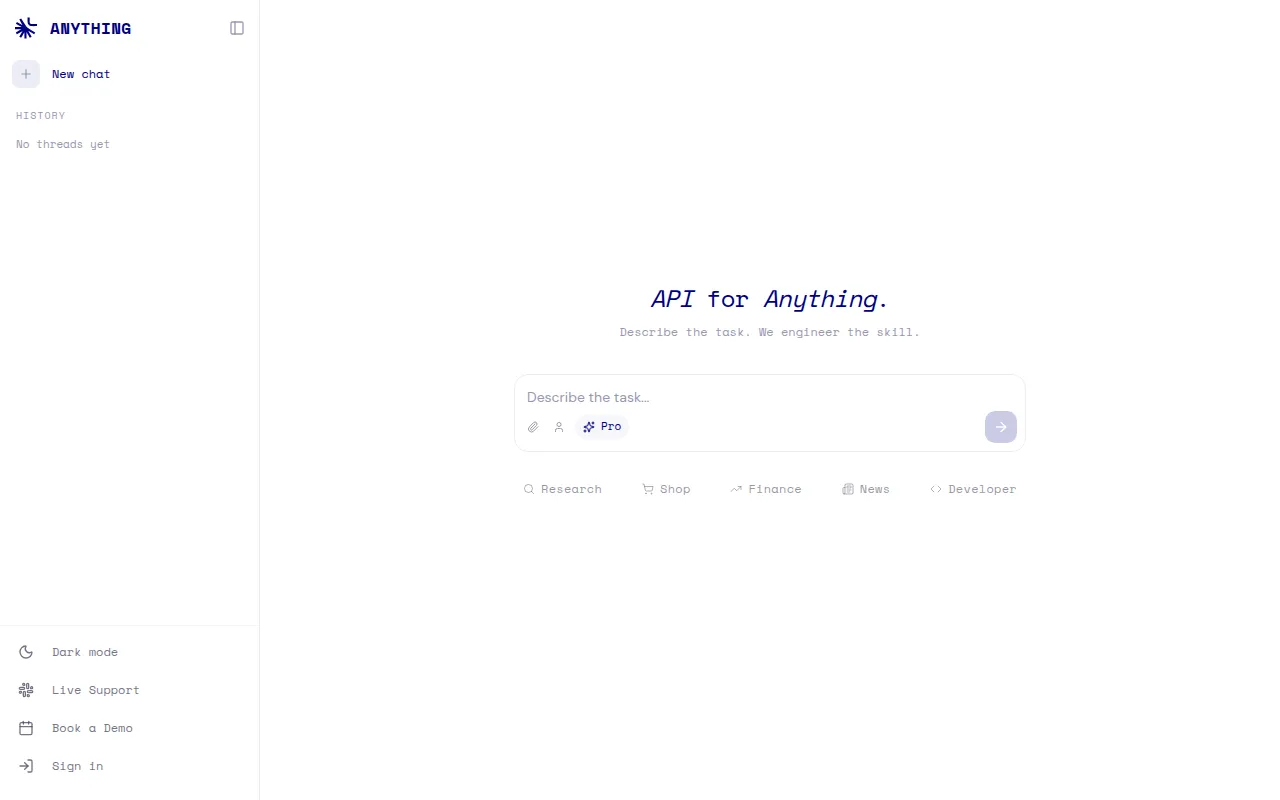
Anything API is a versatile API management tool designed for developers to create and manage APIs efficiently. In contrast to Aporia, which is primarily focused on observability, Anything API enables developers to work with APIs seamlessly, making it an excellent choice for teams that prioritize API development and management. Its user-friendly interface and comprehensive feature set allow developers to create, test, and deploy APIs with minimal friction, enhancing the overall development process.
The flexibility offered by Anything API makes it particularly suitable for teams working on diverse projects that require robust API solutions. It integrates various tools that support API documentation, security, and analytics, providing a holistic approach to API management. However, it is crucial to note that Anything API does not offer the performance monitoring features available in Aporia, making it less suitable for those who require observability tools.
- Key Strength: User-friendly API management features for seamless development.
- Key Strength: Comprehensive support for API documentation and analytics.
- Key Strength: Flexible integration with various development tools.
- Limitation: Lacks observability and monitoring functionalities.
Pricing: Contact for pricing information. Best for: Developers needing efficient API management solutions.
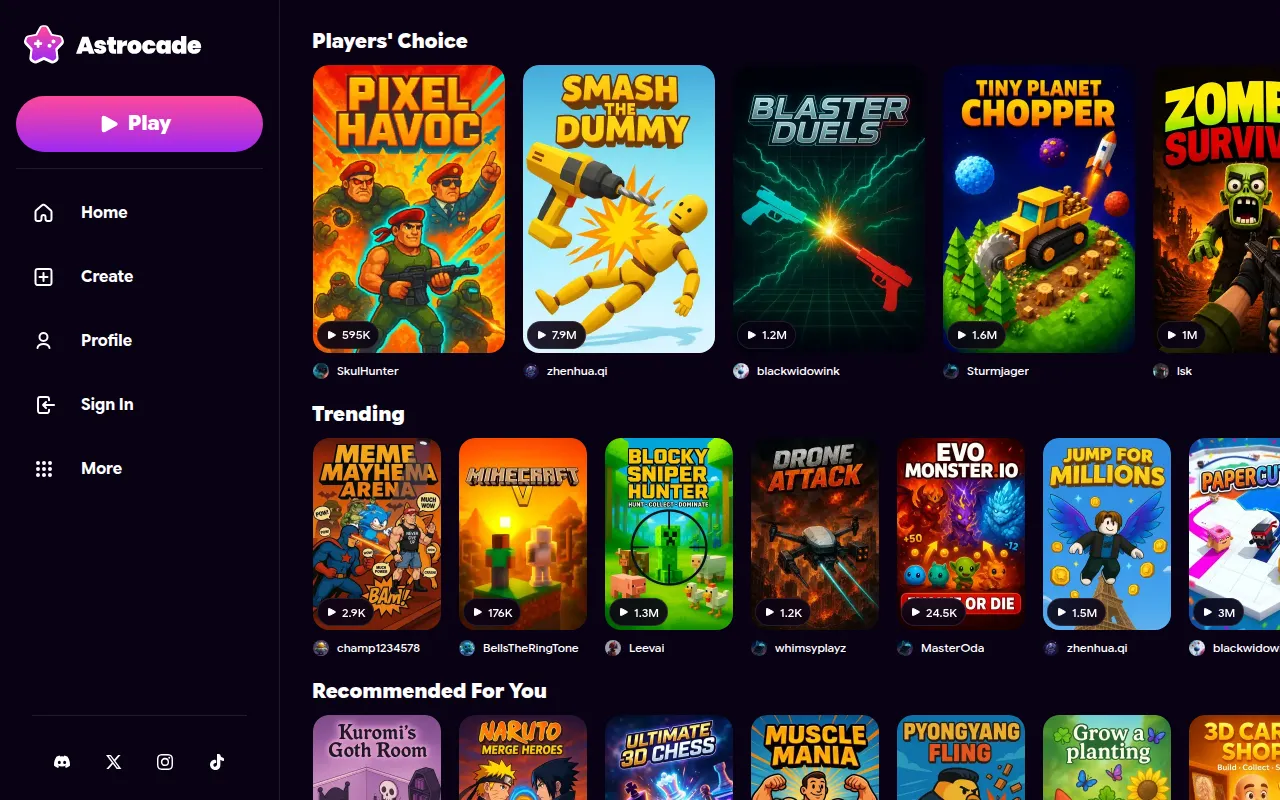
Astrocade - Best for Game Development
Astrocade is a game development platform that simplifies the creation of interactive experiences using AI technology. Unlike Aporia, which is tailored for observability, Astrocade focuses specifically on the needs of game developers, providing tools that streamline the game design and development process. This makes it an excellent choice for teams involved in creating games and interactive applications, offering unique features that cater to this niche market.
With its AI-driven capabilities, Astrocade allows developers to leverage advanced technology to create immersive gaming experiences without needing extensive programming knowledge. This can significantly speed up the development cycle, making it a compelling alternative for teams focused on game creation. However, it is important to recognize that Astrocade does not provide performance monitoring features, which are crucial for teams needing to track game performance metrics effectively.
- Key Strength: Simplified tools for game development using AI technology.
- Key Strength: Focused on creating interactive experiences for game developers.
- Key Strength: Advanced capabilities that reduce the need for extensive programming.
- Limitation: Lacks observability and monitoring functionalities.
Pricing: Freemium. Best for: Game developers looking for an AI-driven development platform.
Akela Hub - Best for Workflow Automation
Akela Hub is a workflow automation tool designed to streamline repetitive tasks for developers and teams. Unlike Aporia, which focuses on performance monitoring, Akela Hub enhances productivity by automating various workflows, making it a valuable alternative for teams looking to reduce manual effort. The platform allows users to create automated processes that can be tailored to specific project needs, which can significantly improve efficiency and reduce errors.
Akela Hub's flexibility and user-friendly interface enable teams to implement automation quickly, allowing them to focus on higher-value tasks instead of mundane responsibilities. This can be particularly beneficial for teams that face repetitive tasks that hinder their overall productivity. However, it is essential to note that while Akela Hub excels in workflow automation, it does not offer the performance monitoring and observability features that Aporia is known for, making it less suitable for teams requiring detailed performance analytics.
- Key Strength: Streamlined automation of repetitive tasks to enhance productivity.
- Key Strength: Customizable workflows tailored to team needs.
- Key Strength: User-friendly interface for quick implementation of automation.
- Limitation: Lacks observability and monitoring capabilities.
Pricing: Freemium. Best for: Teams seeking to automate workflows and improve productivity.
Feature Comparison Table
| Tool | Best For | Starting Price | Free Plan | Standout Feature |
|---|
| Aporia | Performance monitoring | Contact for pricing | No | Real-time insights |
| GitHub Copilot | AI-powered coding | $10/mo | Yes | Intelligent suggestions |
| Figma | Collaborative design | Free for 3 projects | Yes | Real-time collaboration |
| AIML API | Versatile AI solutions | Freemium | Yes | Access to 500+ AI models |
| Air | Agentic development | Freemium | Yes | Independent agents for tasks |
| AI2sql | Non-technical SQL generation | $9/mo | Yes | Natural language SQL queries |
| AgentOps | Building AI agents | Freemium | Yes | Debugging and deployment tools |
| AdaL | Coding assistance | Freemium | Yes | Project management insights |
| Anything API | API management | Contact for pricing | No | Comprehensive API features |
| Astrocade | Game development | Freemium | Yes | AI-driven game creation |
| Akela Hub | Workflow automation | Freemium | Yes | Streamlined task automation |
How to Choose the Right Alternative to Aporia
When selecting the right alternative to Aporia, it is essential to consider your specific needs and use cases. If your primary focus is on coding efficiency, then tools like GitHub Copilot or AdaL might be the best fit. These platforms enhance the coding process through intelligent suggestions and collaborative features, which can significantly benefit development teams. On the other hand, if your focus is on design and collaboration, Figma is an excellent choice, providing real-time design capabilities that facilitate teamwork among designers and developers.
For teams interested in leveraging AI technologies, AIML API and AgentOps offer versatile solutions tailored to specific project needs. AIML API provides access to a wide range of AI models, while AgentOps focuses on building and deploying AI agents. However, if your organization requires easy access to SQL queries without technical expertise, AI2sql may be the best option. It's crucial to evaluate whether your team prioritizes observability and performance monitoring, as alternatives like Air and Akela Hub may lack these features but excel in productivity and automation.
Final Verdict
In conclusion, the best alternative to Aporia depends on your team's specific use case. For performance monitoring and observability, you may need to consider other tools in the market. However, for productivity enhancements, AI-driven solutions, or collaborative design, options like GitHub Copilot, Figma, and AIML API offer robust features that can significantly improve your workflow.