

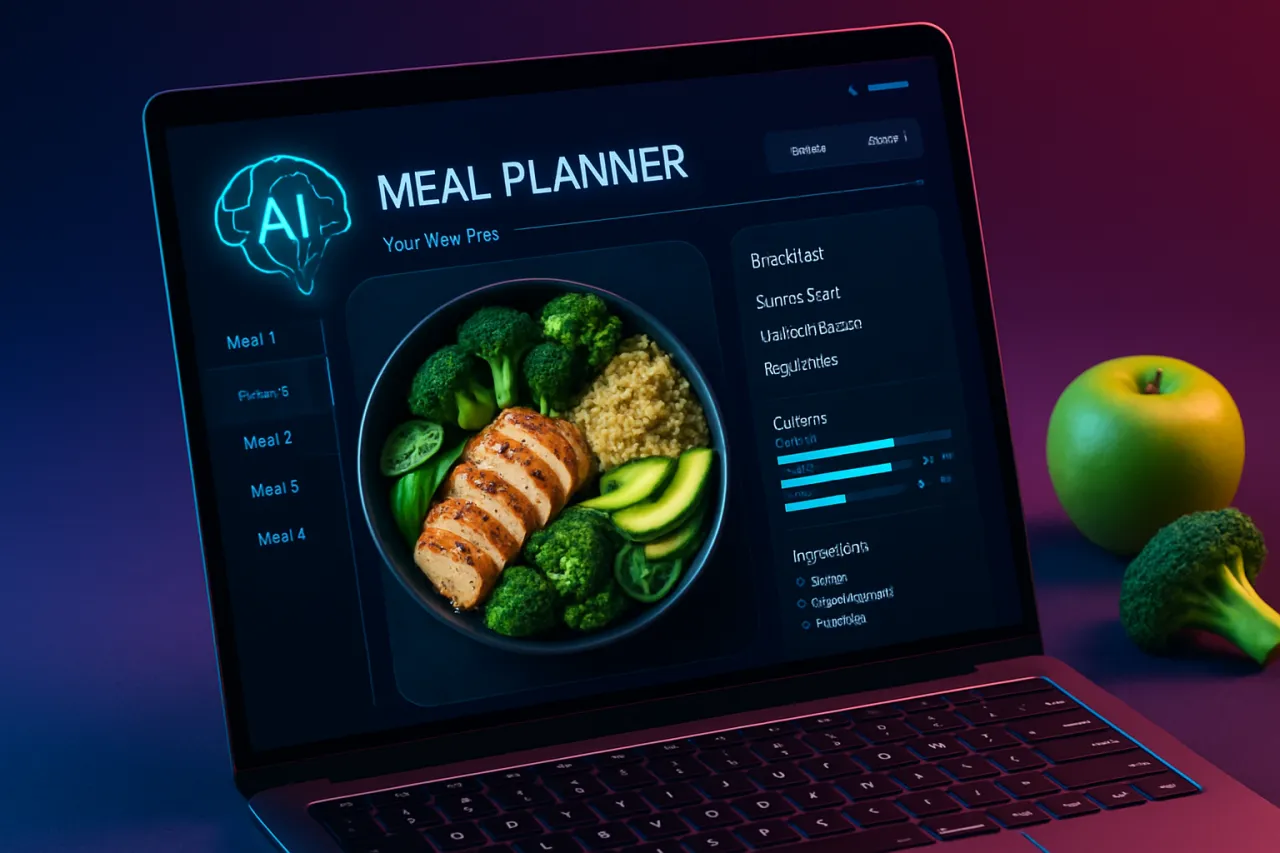
Top AI Meal Planning Tools for Healthy Eating in 2026
Introduction
In today’s fast-paced world, maintaining a healthy diet can often feel overwhelming. With busy schedules and the ever-increasing availability of processed foods, many individuals find it challenging to plan nutritious meals consistently. This is where AI meal planners come into play, offering tailored solutions for meal prep that align with your dietary needs and preferences.
AI meal planning tools simplify the often tedious process of preparing meals by providing personalized recipe suggestions, grocery lists, and nutritional insights. In this article, we will explore some of the best AI meal planning tools available in 2026, discuss their features, and provide tips on how to make the most out of these innovative solutions.
What Is AI Meal Planning?
AI meal planning refers to the use of artificial intelligence technologies to assist users in organizing their meals based on their dietary preferences, restrictions, and health goals. These tools leverage vast databases of recipes and nutritional information, allowing users to create balanced meal plans that fit within their lifestyles.
AI meal planners can analyze user inputs such as allergies, caloric intake requirements, and dietary preferences (e.g., vegan, keto, gluten-free) to generate customized meal suggestions. This technology not only saves time but also helps users make informed food choices, ultimately promoting healthier eating habits.
Why It Matters
The importance of AI meal planning is underscored by the need for healthier eating and the convenience these tools provide. With the rise of chronic diseases linked to poor diet, having access to personalized meal plans can significantly impact overall health and well-being. Moreover, AI meal planners help users stay organized, reduce food waste, and save money by creating efficient grocery lists based on planned meals.
Best Software / Methods / Strategies
1. Mealime
- Overview: Mealime is an intuitive meal planning app that caters to users' dietary preferences and restrictions. With its AI-driven recommendations, it generates meal plans and grocery lists.
- Strengths: User-friendly interface, customizable meal plans, and integration with grocery delivery services.
- Limitations: Limited recipe database for certain dietary needs.
- Best for: Individuals looking for quick and easy meal prep solutions.
- Pricing overview: Free basic version, with a premium subscription offering advanced features.
2. Eat This Much
- Overview: Eat This Much allows users to set their dietary goals and preferences, generating meal plans based on those inputs. It includes a variety of recipes and automates grocery lists.
- Strengths: Flexible meal planning, extensive recipe options, and calorie tracking.
- Limitations: Can be overwhelming for first-time users due to its extensive options.
- Best for: Individuals focused on calorie counting and detailed nutritional tracking.
- Pricing overview: Free version available with a premium subscription for advanced features.
3. Whisk
- Overview: Whisk is a meal planning tool that connects recipes from various websites and allows users to curate their meal plans. Its AI feature suggests recipes based on personal preferences.
- Strengths: Recipe organization, grocery list generation, and collaboration features for families.
- Limitations: Some features may require manual input to fully utilize.
- Best for: Families and individuals who enjoy discovering new recipes from various sources.
- Pricing overview: Free to use with optional premium features.
4. Paprika
- Overview: Paprika is a recipe manager that includes meal planning and grocery list functions. Users can import recipes from the web, making it versatile.
- Strengths: Extensive recipe import capabilities and customizable meal plans.
- Limitations: Not primarily AI-driven; manual entry is often required.
- Best for: Users who want to manage their own recipes while benefiting from meal planning tools.
- Pricing overview: Paid app with a one-time purchase price.
How to Choose the Right Solution
When selecting an AI meal planner, consider the following criteria:
- User Experience: Look for a tool that is easy to navigate and fits well into your daily routine.
- Customization Options: Ensure the planner can accommodate your dietary restrictions and preferences.
- Integration Features: Check if the tool integrates with grocery delivery services or other helpful applications.
- Recipe Variety: A diverse recipe database can keep meal planning exciting and help you discover new dishes.
- Cost: Assess whether the pricing fits your budget and if the premium features justify the cost.
Common Mistakes
To maximize the benefits of AI meal planning tools, avoid these common pitfalls:
- Neglecting to Update Preferences: Regularly update your dietary preferences and restrictions to ensure the tool provides relevant suggestions.
- Ignoring Portion Sizes: Pay attention to portion sizes suggested by the tool to avoid overeating or undereating.
- Not Utilizing Grocery Lists: Make use of the grocery list features to streamline shopping and reduce food waste.
- Overcomplicating Meals: Start with simple recipes and gradually experiment with more complex ones as you become comfortable.
Frequently Asked Questions
1. What is an AI meal planner?
An AI meal planner uses artificial intelligence to generate personalized meal plans based on users' dietary preferences and health goals.
2. How do AI meal planners help with healthy eating?
They provide tailored meal suggestions, nutritional insights, and grocery lists, making it easier to maintain a balanced diet.
3. Are AI meal planners suitable for all dietary needs?
Most AI meal planners can accommodate a variety of dietary preferences, but it's essential to check if they offer options that fit your specific requirements.
4. Can I use an AI meal planner for meal prep?
Yes, AI meal planners often include features for creating meal prep schedules and grocery lists, making meal preparation more efficient.
5. What is the cost of using AI meal planning tools?
Many AI meal planners offer free versions, with premium subscriptions available for advanced features. Pricing varies by tool.
Conclusion
AI meal planning tools represent a significant step toward healthier eating by simplifying the process of meal prep. They cater to various dietary needs while saving time and reducing food waste. By considering factors like user experience, customization options, and recipe variety, you can choose the right tool to help you achieve your health goals. Embrace the advantages of technology in your kitchen and make meal planning an enjoyable and straightforward task.
About the Author
Digital Tools Expert
Steven Nelson is a digital tools expert with 11+ years of experience reviewing and testing Analytics software. He helps businesses find the right digital tools to scale their operations.