
AI-Powered Music Generation Tools: A New Era for Creators
Introduction
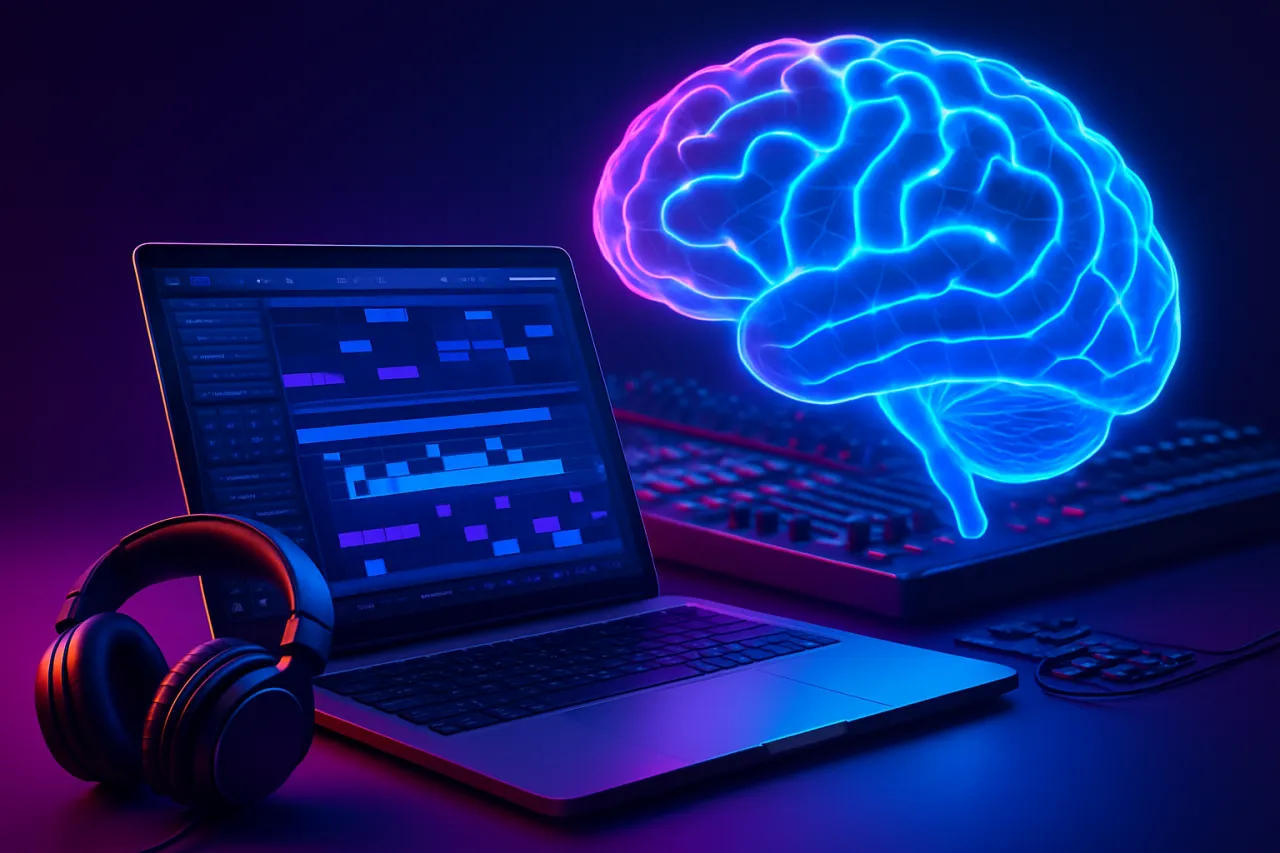
In recent years, the intersection of artificial intelligence and music has sparked significant interest among artists, producers, and technology enthusiasts alike. AI-powered music generation tools are not merely novelties; they represent a paradigm shift in how music can be created, refined, and personalized. As these tools become increasingly sophisticated, they open doors to new creative possibilities that were previously unimaginable.
Understanding how AI can influence the music creation process is essential for artists seeking to enhance their workflow and explore innovative sounds. This article delves into the benefits, applications, and limitations of AI music generation tools, providing insights that can help creators make informed decisions about integrating these technologies into their work.
What Is AI Music Generation?
AI music generation refers to the use of artificial intelligence algorithms to create music compositions autonomously or assist human composers in their creative processes. These tools utilize machine learning, neural networks, and deep learning techniques to analyze vast amounts of musical data, enabling them to generate melodies, harmonies, and even complete tracks that mimic various styles and genres.
AI music generation tools can serve different purposes, from providing inspiration and generating background music to aiding in the composition of complex musical pieces. They can be used by novice musicians looking for guidance as well as seasoned professionals seeking to expand their creative capabilities.
Why It Matters
The implications of AI music generation tools extend beyond mere convenience; they challenge traditional notions of creativity and authorship in music. As these tools become more accessible, they democratize music creation, allowing individuals without formal training to experiment and produce their own music. This fosters a more inclusive environment for artistic expression, blending technology and creativity in exciting ways.
For professionals in the music industry, understanding and leveraging AI music generation can lead to enhanced productivity, innovation, and the ability to meet the demands of a rapidly changing market. Moreover, it encourages collaboration between technology and artistry, pushing the boundaries of what music can be.
Best Software / Methods / Strategies
OpenAI MuseNet
- Overview: MuseNet is a deep neural network that can generate musical compositions in various styles, from classical to contemporary.
- Strengths: Capable of generating complex arrangements and harmonizations, it can blend genres seamlessly, providing a wealth of creative options.
- Limitations: The generated music can sometimes lack the emotional depth and nuance that human composers bring to their work.
- Best for: Composers looking for inspiration or unique compositions to build upon.
- Pricing overview: Currently free during research phases but may have usage fees in the future.
AIVA
- Overview: AIVA (Artificial Intelligence Virtual Artist) focuses on composing soundtracks for films, games, and advertisements.
- Strengths: Offers an intuitive interface and allows users to customize compositions based on specific moods and themes.
- Limitations: While versatile, its focus on specific applications may limit broader compositional creativity.
- Best for: Content creators in need of custom soundtracks.
- Pricing overview: Subscription-based; plans vary based on features and usage.
Amper Music
- Overview: Amper Music is an AI-powered platform that allows users to create and customize original music tracks easily.
- Strengths: User-friendly interface, quick generation of tracks, and a wide range of customization options.
- Limitations: Limited control over the finer details of music composition compared to more advanced tools.
- Best for: Beginners and content marketers seeking quick background music.
- Pricing overview: Free tier available; premium plans offer expanded features.
Soundraw
- Overview: Soundraw is an AI music generation tool designed to help creators generate music based on specific input parameters.
- Strengths: Real-time customization of generated music, allowing users to tweak elements to fit their project needs.
- Limitations: May require a learning curve to fully utilize its capabilities.
- Best for: Content creators needing adaptive music for various applications.
- Pricing overview: Subscription model with different tiers based on user needs.
How to Choose the Right Solution
When evaluating AI music generation tools, consider the following criteria:
- User Interface: A user-friendly interface can significantly enhance your experience, especially for those new to music production.
- Customization Options: Look for tools that allow you to manipulate compositions easily, giving you the flexibility to tailor the music to your vision.
- Genre Flexibility: If you work across multiple genres, a platform with diverse capabilities will be more beneficial.
- Collaboration Features: Consider tools that enable collaboration with other artists, as this can enrich the creative process.
- Pricing Structure: Assess the pricing plans to find a solution that fits your budget while providing the features you need.
Common Mistakes
- Over-reliance on AI: While AI can assist in the creative process, relying solely on it can stifle your unique voice and creativity.
- Neglecting the Human Touch: AI-generated music may lack emotional depth, so it’s essential to incorporate your own creativity even when using these tools.
- Ignoring Licensing Issues: Make sure to understand the licensing agreements associated with AI-generated content to avoid legal complications.
Frequently Asked Questions
1. Can AI create music that sounds human?
Yes, AI can generate music that closely mimics human compositions, though the emotional depth may vary.
2. Are AI music generation tools suitable for professional use?
Many tools are designed for professional use, offering features that cater to advanced needs, though it is vital to evaluate each tool's specific capabilities.
3. Do I need music training to use AI music generation tools?
No formal training is required, but a basic understanding of music theory can enhance your experience.
4. How do I ensure the quality of AI-generated music?
Experiment with different tools and settings, and always review and refine the output to meet your standards.
5. What are the ethical considerations of using AI in music?
Consider authorship and ownership issues, as well as the potential impact on traditional musicians and composers.
Conclusion
AI-powered music generation tools are reshaping the music creation landscape, offering exciting opportunities for both novice and experienced creators. By understanding the strengths and limitations of these tools, artists can harness their capabilities to enhance their creative processes while ensuring their unique voice remains central to their work. As technology evolves, embracing these tools thoughtfully will be crucial for those looking to stay ahead in the ever-changing world of music production.
About the Author
Senior Tech Writer
With a background in Design Tools, Gregory Morris brings hands-on expertise to evaluating the latest Design Tools tools. He has reviewed hundreds of SaaS products for startups and enterprises alike.