

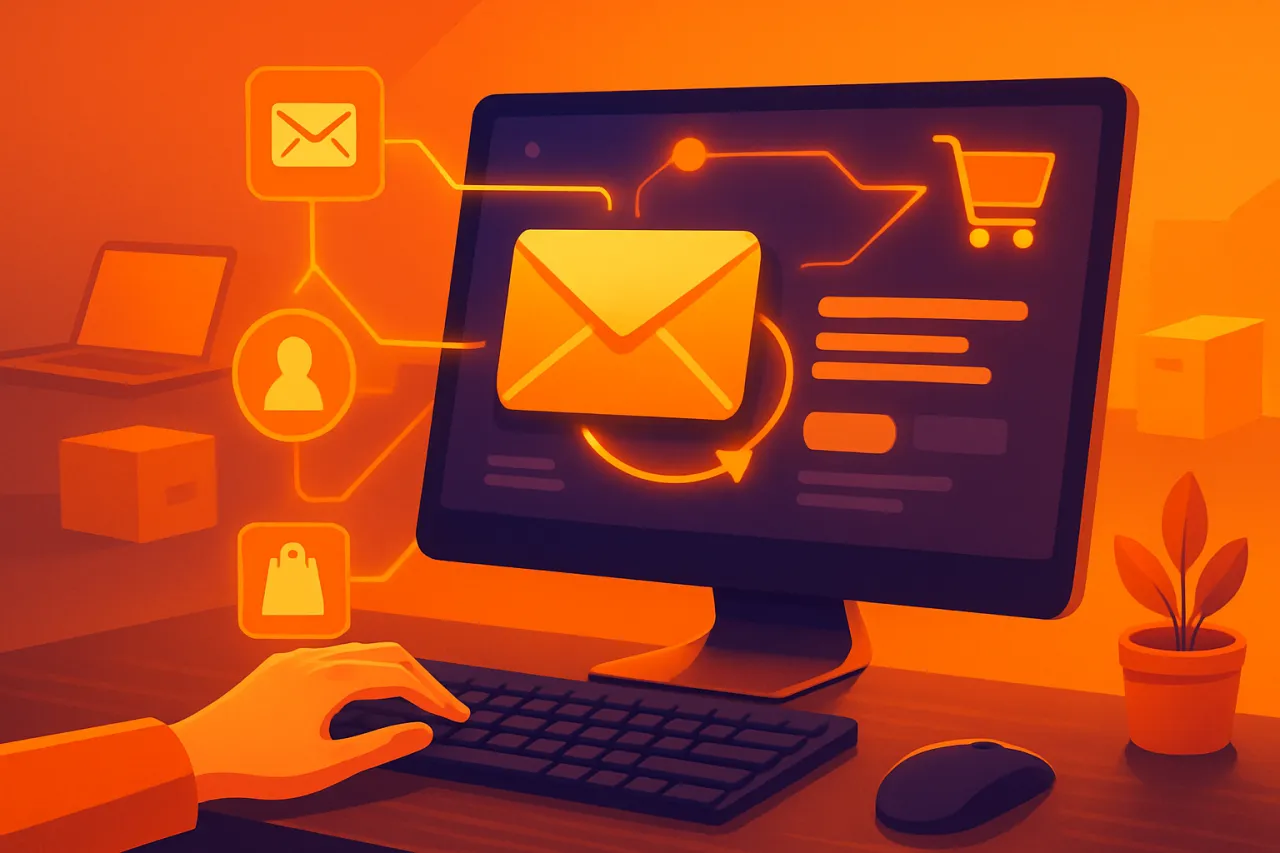
A Beginner's Guide to Email Marketing Automation for E-commerce Brands
Introduction
In the fast-paced world of e-commerce, effective customer engagement is crucial for driving sales and building brand loyalty. One powerful tool that e-commerce brands can leverage is email marketing automation. This beginner's guide will walk you through the essential steps to get started, best practices, and the recommended tools to streamline your email marketing efforts.
By automating your email marketing, you can save time, reach your customers at the right moments, and personalize your messages to increase engagement. This guide aims to equip you with the knowledge to launch your email marketing automation strategy successfully.
What Is Email Marketing Automation?
Email marketing automation refers to the use of software to send emails automatically based on specific triggers or predefined schedules. This allows businesses to send targeted messages to their customers without manual intervention. Automation can include various types of emails, such as welcome messages, abandoned cart reminders, and promotional campaigns.
The technology behind email marketing automation has evolved significantly, allowing brands to create sophisticated workflows that improve customer interactions and drive conversions. Automation tools can segment your audience, track engagement, and provide insights into campaign performance, making it easier for you to refine your strategies.
Why It Matters
Email marketing remains one of the most effective channels for e-commerce brands, yielding an impressive return on investment. According to industry statistics, businesses that utilize email marketing automation can see conversion rates increase by as much as 50%. By adopting automated email systems, e-commerce brands can nurture leads, foster customer relationships, and generate repeat sales more efficiently.
Moreover, personalized email campaigns based on customer behavior can enhance user experience and significantly boost engagement rates. Understanding how to implement email marketing automation is essential for any e-commerce brand looking to thrive in today’s competitive landscape.
Best Software / Methods / Strategies
1. BlitzBear
Overview
BlitzBear is an intuitive email marketing automation tool designed specifically for e-commerce businesses. It offers a variety of features, including automated workflows, segmentation options, and comprehensive analytics.
Strengths
- User-friendly interface
- Robust automation features
- Excellent integration with popular e-commerce platforms
Limitations
- Limited customizability for advanced users
- Pricing may be steep for smaller brands
Best for
Small to medium-sized e-commerce brands looking for ease of use and effective integration with existing platforms.
Pricing overview
Pricing starts at $19/month, depending on the number of subscribers and features needed.
2. Buffer
Overview
Buffer is primarily known for social media management, but it also offers tools for email marketing automation. It allows you to schedule and publish content, while also automating follow-up emails.
Strengths
- Comprehensive scheduling features
- Integrates well with various platforms
- User-friendly dashboard
Limitations
- Limited email-specific features compared to dedicated email marketing tools
- May require additional tools for advanced analytics
Best for
Brands wanting a comprehensive solution for social media and email marketing.
Pricing overview
Starts at $15/month for basic features, with higher tiers available for additional functionality.
3. Mailchimp
Overview
Mailchimp is a widely used email marketing platform that offers automation features suitable for e-commerce brands. It allows users to create targeted campaigns, segment audiences, and analyze performance metrics.
Strengths
- Extensive template library
- Strong analytics and reporting tools
- Free tier available for beginners
Limitations
- Can become expensive as your subscriber list grows
- Complexity may overwhelm new users
Best for
Startups and small businesses needing a versatile email automation tool with robust features.
Pricing overview
Free for up to 500 subscribers; paid plans start at $11/month.
4. Klaviyo
Overview
Klaviyo is tailored for e-commerce brands and focuses on advanced segmentation and personalization. It offers powerful automation workflows and is designed to drive revenue through targeted campaigns.
Strengths
- Deep integration with e-commerce platforms
- Advanced analytics and segmentation
- High deliverability rates
Limitations
- Pricing can escalate quickly as your list grows
- May require a learning curve for new users
Best for
Medium to large e-commerce brands seeking to leverage data for personalized marketing.
Pricing overview
Free for up to 250 contacts; paid plans start at $20/month.
How to Choose the Right Solution
Selecting the right email marketing automation tool involves evaluating several key factors:
- Ease of Use: Ensure the platform has an intuitive interface that you and your team can navigate easily.
- Integration: Check if the tool integrates seamlessly with your existing e-commerce platform and other marketing tools.
- Features: Look for essential features such as automation workflows, segmentation, and analytics.
- Scalability: Choose a solution that will grow with your business, with flexible pricing plans for expanding subscriber lists.
- Support: Assess the availability of customer support and educational resources to assist you during setup and use.
Common Mistakes
To maximize the effectiveness of your email marketing automation strategy, avoid these common pitfalls:
- Neglecting segmentation: Failing to segment your audience can lead to irrelevant messaging and lower engagement rates.
- Ignoring analytics: Not analyzing campaign performance can prevent you from refining your strategies for better results.
- Over-automation: While automation saves time, relying too heavily on it can make your communications feel impersonal.
- Inconsistent branding: Ensure that all automated emails reflect your brand's voice and design for a cohesive customer experience.
Frequently Asked Questions
1. What is email marketing automation?
Email marketing automation is the use of software to send emails automatically based on specific triggers or schedules, allowing for timely and personalized communication with customers.
2. Why should e-commerce brands use email marketing automation?
It helps brands engage customers effectively, improve conversion rates, and save time by automating repetitive tasks.
3. What types of emails can be automated?
Common types of automated emails include welcome messages, abandoned cart reminders, follow-ups, and promotional offers.
4. How do I measure the success of my automated email campaigns?
Track key performance indicators such as open rates, click-through rates, and conversion rates through your email marketing platform's analytics dashboard.
5. Are there any free email marketing automation tools?
Yes, many platforms offer free tiers with limited features, such as Mailchimp and Klaviyo, which can be great for startups and small brands.
Conclusion
In conclusion, email marketing automation is an invaluable strategy for e-commerce brands looking to enhance customer engagement and drive sales. By understanding the various tools and strategies available, you can effectively implement an email marketing automation plan tailored to your business needs. Focus on selecting the right solution, avoiding common pitfalls, and continuously refining your approach based on data insights. With the right practices in place, your e-commerce brand can thrive in an increasingly competitive market.
About the Author

Full Stack Developer | AI Engineer
I help eCommerce and logistics companies grow faster using AI, automation, and scalable web applications. With 10+ years of experience in full-stack development, I specialize in building powerful b...