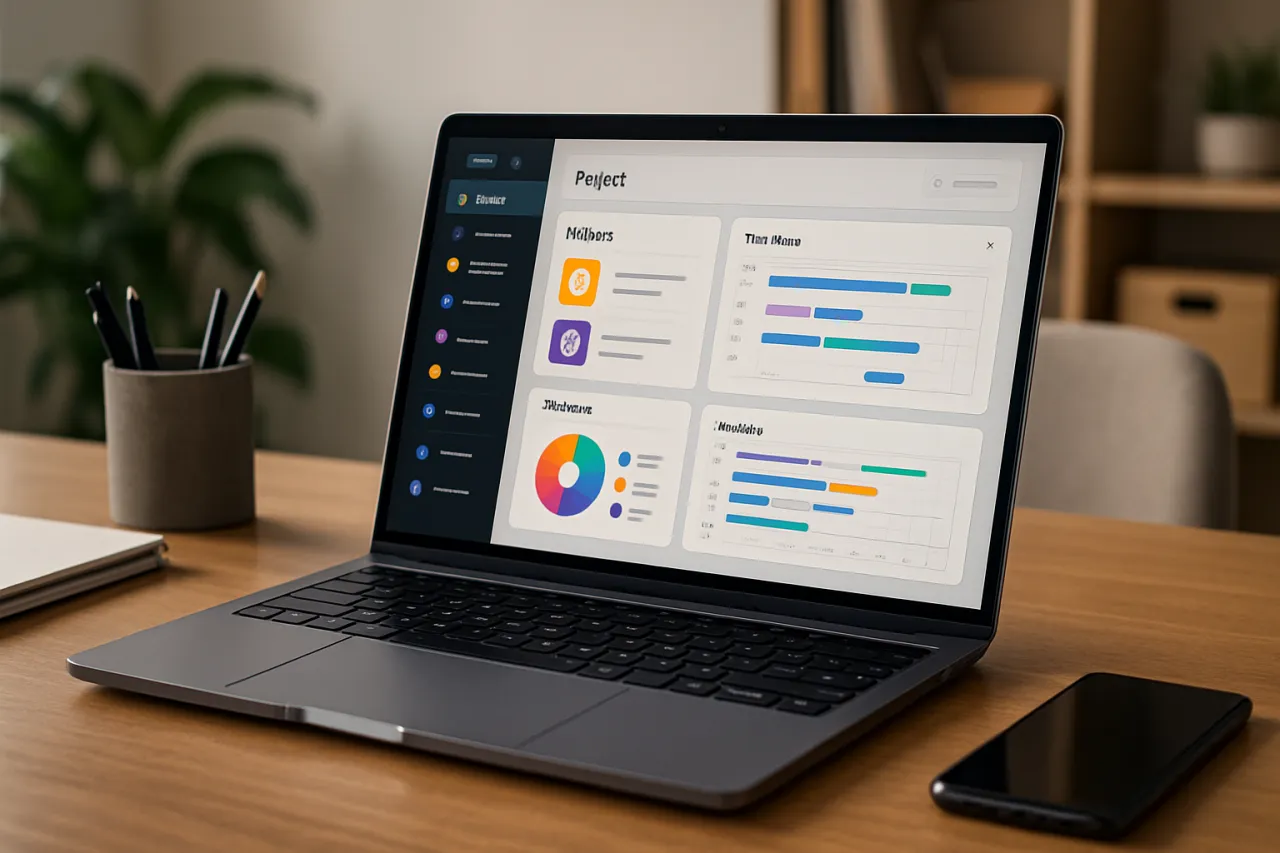
Best AI Tools for Enhancing Productivity in Remote Teams
Introduction
In today's fast-paced work environment, remote teams face unique challenges in maintaining productivity and collaboration. As organizations continue to adopt remote work policies, the need for effective tools that enhance teamwork and streamline workflows has never been more critical. This article will explore some of the best AI tools available in 2026 designed specifically to enhance productivity for remote teams.
Readers will learn about innovative solutions that improve task management, communication, and project tracking, focusing on AI-driven features that set these tools apart from traditional software. We will also discuss the benefits, limitations, and the best use cases for each tool, ensuring that you leave with a comprehensive understanding of your options.
What Are AI Tools?
AI tools are software applications that leverage artificial intelligence to automate tasks, analyze data, and enhance decision-making processes. In the context of remote work, these tools can significantly improve collaboration by facilitating communication, automating repetitive tasks, and providing insights that help teams work more efficiently.
The rise of AI tools has transformed how teams operate, allowing for smarter workflows and more effective project management. By integrating AI into daily operations, remote teams can enhance their productivity and focus on delivering high-quality work.
Why It Matters
As remote work becomes increasingly common, teams must adapt to new ways of collaborating and managing projects. The right AI tools can help remote teams overcome common challenges such as miscommunication, task overload, and time zone differences. By implementing these tools, organizations can expect to see improved efficiency, reduced burnout, and enhanced team morale.
Best Software / Methods / Strategies
1. Asana
Overview: Asana is a task management tool that helps teams organize, track, and manage their work. Its AI features offer insights into team performance and project timelines.
Strengths:
- User-friendly interface for task assignment and tracking.
- Integrates with various other tools, enhancing workflow.
- AI-driven suggestions for task prioritization.
Limitations:
- Can become overwhelming with too many features for small teams.
- Pricing can add up with premium features.
Best for: Teams looking for robust project management with AI insights.
Pricing overview: Free tier available; premium plans start at $10.99/user/month.
2. Trello
Overview: Trello utilizes a card-based interface to help teams manage projects visually. Its AI capabilities automate routine tasks and enhance collaboration.
Strengths:
- Highly customizable boards and cards.
- AI automation tools reduce repetitive processes.
- Strong community support and integrations.
Limitations:
- Limited advanced project tracking features compared to other tools.
- Free version lacks some automation capabilities.
Best for: Visual learners and teams that thrive on a flexible project management system.
Pricing overview: Free plan available; premium plans start at $12.50/user/month.
3. Slack
Overview: Slack is a communication platform that helps remote teams stay connected. Its AI functionalities include smart replies and workflow automation.
Strengths:
- Real-time messaging and file sharing.
- Extensive app integrations for enhanced functionality.
- AI-driven tools for managing notifications and reminders.
Limitations:
- Can get noisy with too many channels.
- Search functionality can be cumbersome in large teams.
Best for: Teams that prioritize communication and instant collaboration.
Pricing overview: Free version available; paid plans start at $6.67/user/month.
4. Notion
Overview: Notion combines note-taking, project management, and task tracking into a single platform, supported by AI for personalized workflows.
Strengths:
- Highly flexible and customizable workspace.
- AI features can suggest templates and automate data entry.
- Strong collaboration capabilities.
Limitations:
- Steeper learning curve for new users.
- Some users may find it too complex for basic tasks.
Best for: Teams seeking an all-in-one solution for documentation and project management.
Pricing overview: Free tier available; premium plans start at $8/user/month.
How to Choose the Right Solution
When evaluating AI tools for your remote team, consider the following criteria:
- Specific Needs: Identify the primary challenges your team faces.
- Integration Capabilities: Ensure the tool integrates with your existing software stack.
- Ease of Use: Opt for tools that are intuitive and require minimal training.
- Scalability: Consider whether the tool can grow with your team's needs.
Common Mistakes
- Ignoring Team Input: Failing to involve team members in the selection process can lead to low adoption rates.
- Overcomplicating Workflows: Choosing tools with too many features can overwhelm users and hinder productivity.
- Not Training Users: Lack of proper training can result in underutilization of the tool's capabilities.
Frequently Asked Questions
1. What are AI tools for remote teams?
AI tools for remote teams are software applications that use artificial intelligence to enhance teamwork and improve productivity through automation and data analysis.
2. How can AI tools improve team collaboration?
AI tools can streamline communication, automate repetitive tasks, and provide insights that facilitate more efficient workflows among remote teams.
3. Are AI tools suitable for small teams?
Yes, many AI tools offer scalable solutions and can be beneficial for teams of all sizes, but it’s essential to choose tools that fit the team's specific needs and size.
4. What features should I look for in AI productivity tools?
Look for features such as task management, communication integration, automation capabilities, and analytics to track performance and progress.
5. How do I ensure my team adopts a new AI tool?
Involve your team in the selection process, provide adequate training, and encourage feedback to improve the implementation and adoption rates.
Conclusion
Choosing the right AI tools can significantly enhance productivity for remote teams by improving collaboration and automating workflows. While there are many options available, each tool offers unique strengths and limitations. By carefully evaluating your team's needs and considering the insights provided in this article, you can make a better-informed decision that will ultimately lead to a more efficient and cohesive remote working environment.
About the Author
Tech Blogger
A seasoned tech blogger, Ahsan Abbasi focuses on making tech accessible to everyday users. He covers CRM tools, comparisons, and buying guides on Softedin.