
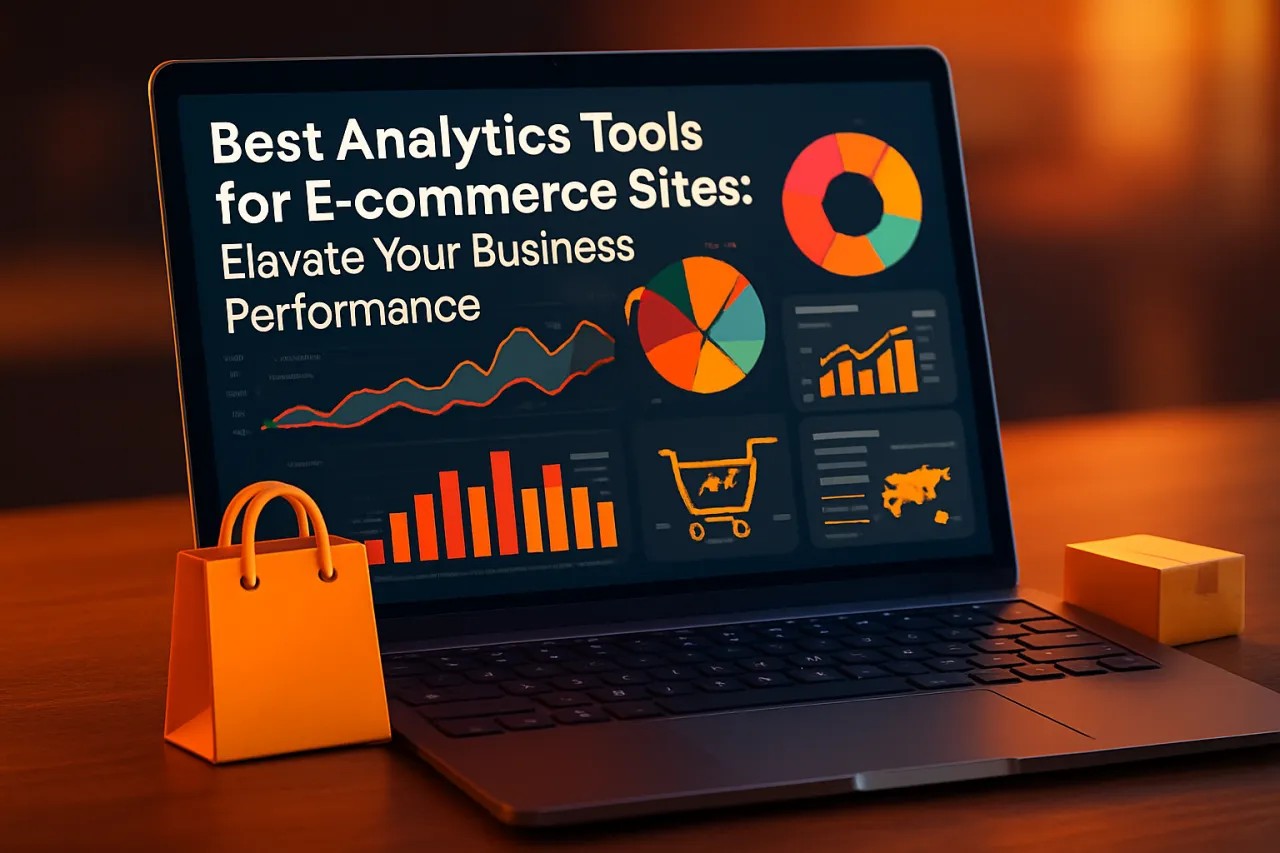
Best Analytics Tools for E-commerce Sites: Elevate Your Business Performance
Introduction
In today's competitive e-commerce landscape, understanding customer behavior and sales performance is crucial for success. Analytics tools equip businesses with the insights needed to make informed decisions, optimize marketing strategies, and improve the overall customer experience. This article reviews some of the best analytics tools available for e-commerce sites, highlighting their features, pricing, and practical applications to help you elevate your business performance.
What Is E-commerce Analytics?
E-commerce analytics involves the collection, measurement, and analysis of data related to online sales and customer interactions. These analytics tools help businesses track key performance indicators (KPIs), such as conversion rates, average order value, and customer lifetime value. By leveraging this data, e-commerce businesses can identify trends, understand customer preferences, and optimize their strategies to drive sales.
Why It Matters
The right analytics tools provide actionable insights that can significantly impact your e-commerce business. By understanding how customers interact with your site and identifying areas for improvement, you can enhance user experience, boost sales, and maintain a competitive edge. Moreover, effective data analysis can guide product development and marketing efforts, leading to more targeted campaigns and better customer engagement.
Best Software / Methods / Strategies
Google Analytics
Overview: Google Analytics is a widely used web analytics service that provides detailed statistics and insights on website traffic. It offers a free version suitable for small to medium-sized businesses and a premium version for larger enterprises.
Strengths:
- Comprehensive reporting on user demographics and behaviors.
- Integration with Google Ads for better marketing insights.
- Customizable dashboards and reports.
Limitations:
- Steeper learning curve for beginners.
- Limited e-commerce-specific features in the free version.
Best for: Businesses seeking a robust analytics solution that integrates well with other Google services.
Pricing Overview: Google Analytics offers a free version; Google Analytics 360 for larger enterprises starts at around $150,000 per year.
Shopify Analytics
Overview: Shopify Analytics is built into the Shopify platform, offering e-commerce businesses valuable insights into their sales performance, customer behavior, and overall store activity.
Strengths:
- User-friendly interface tailored for e-commerce.
- Real-time tracking of sales and customer interactions.
- Integration with various marketing tools for enhanced insights.
Limitations:
- Limited to Shopify users; not as comprehensive as standalone analytics tools.
- Advanced analytics features require higher-tier plans.
Best for: Shopify store owners looking for an integrated analytics solution.
Pricing Overview: Included with all Shopify plans, which start at $39 per month.
Mixpanel
Overview: Mixpanel specializes in product and user analytics, helping businesses understand user engagement and retention over time. It focuses on tracking specific actions users take within your application or site.
Strengths:
- Advanced funnel analysis and cohort tracking.
- Real-time data updates and insights.
- Strong mobile analytics capabilities.
Limitations:
- Higher pricing tiers can be a barrier for small businesses.
- Requires some technical knowledge to set up effectively.
Best for: Companies looking to analyze user behavior in-depth and focus on retention strategies.
Pricing Overview: Free plan available; paid plans start at $89 per month.
Hotjar
Overview: Hotjar combines analytics and feedback tools to provide insights into user behavior through heatmaps, session recordings, and surveys.
Strengths:
- Visual tools for understanding user interactions.
- Feedback collection through surveys and polls.
- Easy integration with various platforms.
Limitations:
- Limited features in the free plan.
- Can be overwhelming with too much data for small businesses.
Best for: Businesses that want to understand user behavior visually and gather direct customer feedback.
Pricing Overview: Free basic plan available; paid plans start at $39 per month.
How to Choose the Right Solution
When selecting an analytics tool for your e-commerce site, consider the following criteria:
- Business Size: Smaller businesses may benefit from cost-effective, easy-to-use solutions, while larger enterprises might require more advanced capabilities.
- Specific Needs: Identify which metrics are most important for your business, such as customer acquisition costs, sales conversion rates, or user engagement levels.
- Integration Capabilities: Ensure the analytics tool integrates with your existing systems, such as your e-commerce platform, CRM, and marketing tools.
- User Experience: A user-friendly interface can significantly enhance your team's ability to interpret data and derive insights.
Common Mistakes
- Neglecting Data Quality: Relying on inaccurate data can lead to misguided decisions. Ensure data tracking is set up correctly.
- Overlooking Customer Feedback: Analytics should complement customer feedback, not replace it. Use insights from both to inform your strategy.
- Ignoring Mobile Analytics: As mobile commerce grows, neglecting mobile user behavior can overlook significant opportunities for optimization.
Frequently Asked Questions
1. What are e-commerce analytics tools?
E-commerce analytics tools help businesses track and analyze online sales performance and customer behavior to inform business decisions.
2. Why do I need analytics for my e-commerce site?
Analytics provide insights that can help you optimize your marketing strategies, improve user experience, and increase sales.
3. Are there free analytics tools for e-commerce?
Yes, tools like Google Analytics and Hotjar offer free plans with essential features for e-commerce businesses.
4. How often should I check my analytics?
Regularly monitor your analytics, ideally weekly or monthly, to stay on top of trends and make timely adjustments to your strategy.
5. Can I use multiple analytics tools together?
Yes, using multiple tools can provide a more comprehensive view of your e-commerce performance, as different tools offer various strengths and insights.
Conclusion
Choosing the right analytics tool is pivotal for e-commerce success. By understanding customer behavior and sales performance, you can make data-driven decisions that enhance your business performance. Each tool has its strengths and limitations, so consider your specific needs and budget when selecting the right solution for your e-commerce site. With the right analytics in place, you can unlock the potential for growth and improvement in your online business.
About the Author
Digital Marketing Expert
Asad Latif brings 7 years of industry experience to every review. Specializing in Social Media, He cuts through the marketing noise to deliver honest, practical insights.