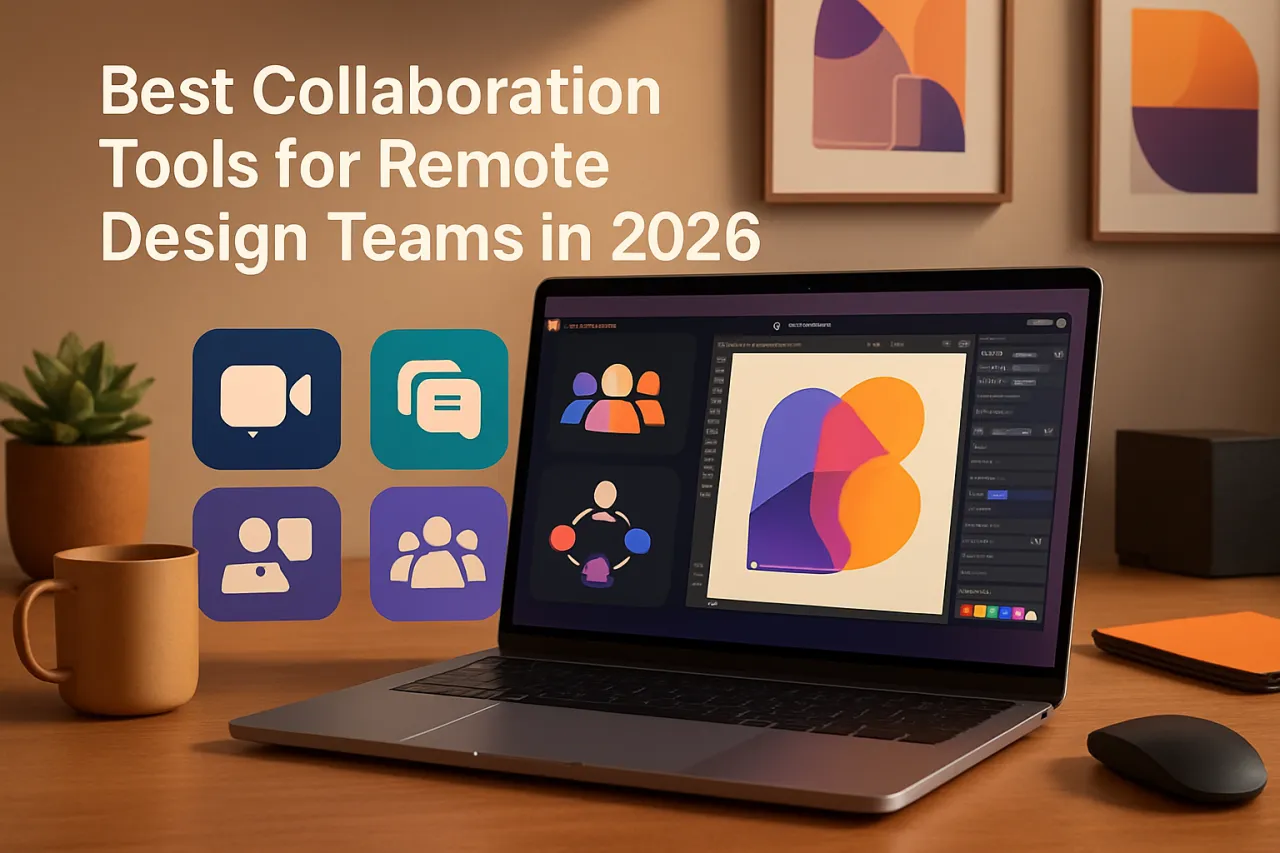
Best Collaboration Tools for Remote Design Teams in 2026
Introduction
In the evolving landscape of remote work, collaboration has become more critical than ever, particularly for design teams. As these teams often rely on visual communication and iterative feedback, choosing the right collaboration tools can significantly impact their productivity and creativity. This article will explore the best collaboration tools available in 2026, drawing insights from design professionals on what works best in a remote setup.
Remote design teams face several challenges, including communication barriers, version control issues, and varying time zones. With the right tools, these challenges can be mitigated, enabling smoother workflows and enhanced creativity. Here, you will learn about the top software solutions that can help your team collaborate effectively, regardless of where each member is located.
What Are Collaboration Tools?
Collaboration tools are software applications designed to facilitate communication and teamwork among individuals, especially in a remote setting. They can range from project management software to design-specific platforms that allow teams to share ideas, files, and feedback in real-time. These tools often include features such as chat functions, file sharing, video conferencing, and task management functionalities, which are essential for keeping remote teams aligned and productive.
Why It Matters
Effective collaboration is the backbone of successful remote design teams. Without appropriate tools, teams may struggle with project delays, miscommunication, and decreased morale. By implementing the best collaboration tools, teams can not only improve their workflow but also foster a culture of creativity and innovation, ensuring that remote work does not hinder their design process.
Best Collaboration Tools for Remote Design Teams
1. Figma
Overview:
Figma is a web-based design tool that allows multiple users to work on a single project simultaneously. It’s particularly favored by design teams for its collaborative features.
Strengths:
- Real-time collaboration
- User-friendly interface
- Extensive plugin ecosystem
Limitations:
- Requires a stable internet connection
- Limited offline capabilities
Best for:
Design teams looking for a comprehensive design solution that supports real-time collaboration.
Pricing overview:
Figma offers a free tier with basic features, with paid plans starting at $12 per editor per month.
2. Slack
Overview:
Slack is a messaging platform designed for teams to communicate efficiently. It allows users to create channels for different projects, making it easier to organize discussions.
Strengths:
- Integrates with numerous design tools
- Supports file sharing and video calls
- Searchable message history
Limitations:
- Can become overwhelming with too many channels
- Free version limits message history
Best for:
Teams that prioritize communication and need a central platform for discussions.
Pricing overview:
Slack's free version is available, while paid plans start at $6.67 per user per month.
3. Trello
Overview:
Trello is a visual project management tool that uses boards, lists, and cards to help teams organize tasks and workflows. It’s particularly useful for tracking project progress.
Strengths:
- Highly visual and intuitive
- Customizable workflows
- Integrates well with other tools
Limitations:
- May lack advanced project management features
- Can become cluttered with large projects
Best for:
Design teams looking for a simple way to manage tasks and project timelines.
Pricing overview:
Trello offers a free plan with limited features, with premium plans starting at $10 per user per month.
4. Miro
Overview:
Miro is an online whiteboard platform that allows teams to brainstorm, plan, and collaborate visually. It’s particularly helpful for ideation sessions and design sprints.
Strengths:
- Supports unlimited canvas for brainstorming
- Integrates with many collaboration tools
- Real-time collaboration features
Limitations:
- Can be overwhelming for new users
- Some features are limited in the free version
Best for:
Teams needing a creative space for brainstorming and visual collaboration.
Pricing overview:
Miro has a free tier with limited features, while paid plans start at $8 per user per month.
5. insMind
Overview:
insMind is a design tool that specializes in AI-driven image and video creation, making it ideal for design teams looking to enhance their visual content creation.
Strengths:
- AI-assisted design capabilities
- Versatile for different types of media
- User-friendly interface
Limitations:
- May not offer as much customization as traditional design tools
- Relatively new, so some features may still be in development
Best for:
Design teams that focus on content creation using AI technologies.
Pricing overview:
insMind offers various pricing plans, starting from the basic tier at $15 per month. Explore insMind here.
6. Mimica
Overview:
Mimica is a tool designed for automating design workflows, allowing teams to streamline repetitive tasks and focus on creativity.
Strengths:
- Automation of design processes
- Reduces manual work
- Easy integration with existing software
Limitations:
- Requires time to set up automation rules
- Limited to specific design workflows
Best for:
Teams looking to enhance efficiency through automation.
Pricing overview:
Mimica’s pricing starts at $20 per user per month. Check out Mimica here.
How to Choose the Right Solution
When selecting collaboration tools for your remote design team, consider the following criteria:
- Functionality: Ensure the tool supports your specific design needs and workflow.
- User Experience: Choose tools that are intuitive and easy to use.
- Integration: Look for tools that can integrate with your existing software stack.
- Scalability: Ensure the tool can grow with your team as your needs evolve.
- Budget: Consider your team's budget and the pricing structure of the tools.
Common Mistakes
- Not Testing Tools: Always trial tools before full implementation to gauge their suitability.
- Neglecting Team Feedback: Involve your team in the selection process to ensure the tool meets their needs.
- Overcomplicating Tools: Avoid choosing tools with features that are not necessary for your workflow.
Frequently Asked Questions
1. What are collaboration tools?
Collaboration tools are software applications designed to facilitate teamwork and communication among remote teams.
2. Why are collaboration tools important for design teams?
They help enhance communication, streamline workflows, and support real-time collaboration, which is vital for design projects.
3. Can I use multiple collaboration tools?
Yes, many teams find that using a combination of tools tailored to different aspects of their workflow works best.
4. How do I train my team on new collaboration tools?
Provide training sessions, tutorials, and resources to help your team become familiar with the new tools.
5. Are there free collaboration tools available?
Yes, many collaboration tools offer free versions with basic features suitable for small teams.
Conclusion
Choosing the right collaboration tools for your remote design team is crucial for fostering effective communication and enhancing workflow. By understanding the unique strengths and limitations of each tool, you can make informed decisions that align with your team's needs. Whether you opt for comprehensive design platforms like Figma or project management tools like Trello, the goal is to enhance productivity while maintaining creativity. With the right tools at your disposal, your remote design team will be well-equipped to tackle projects efficiently and effectively.
About the Author
UX Researcher
With a background in Email Marketing, Heather Hill brings hands-on expertise to evaluating the latest Email Marketing tools. She has reviewed hundreds of SaaS products for startups and enterprises ali...