Best Communication Tools for Remote Teams in 2026
Introduction
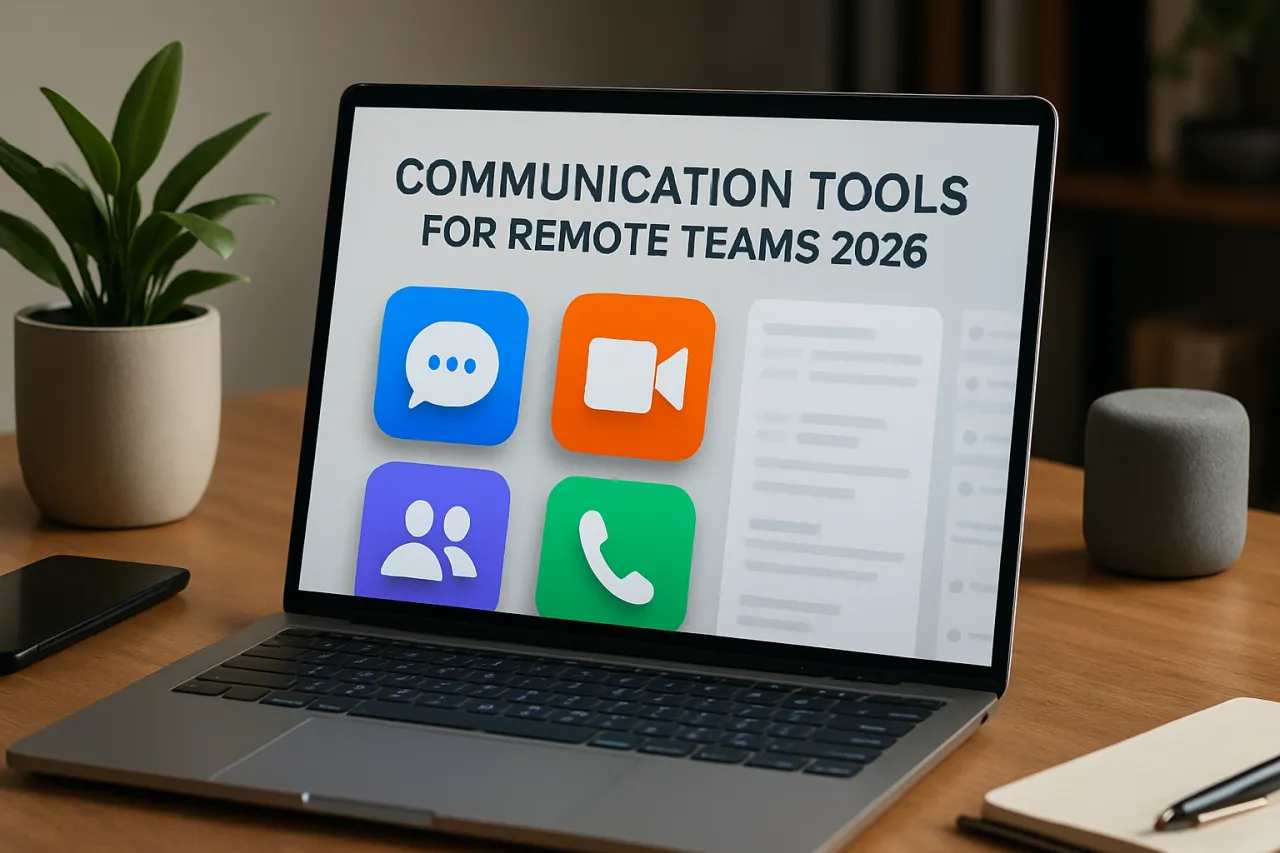
In today’s increasingly digital world, remote teams are becoming the norm rather than the exception. Effective communication is crucial for these teams to function smoothly, yet it often poses unique challenges such as time zone differences, cultural disparities, and the absence of in-person interaction. This article delves into the best communication tools available for remote teams in 2026, aiming to help you navigate the myriad of options and choose the one that best suits your team’s needs.
By exploring user testimonials, comparing tools, and providing practical tips, this article equips you with the knowledge to enhance collaboration within your remote team. Whether you are looking to streamline project management, improve real-time communication, or foster team bonding, our comprehensive guide will help you make informed decisions.
What Are Communication Tools?
Communication tools are software applications designed to facilitate interaction and collaboration among team members, regardless of their physical location. They can include instant messaging services, video conferencing platforms, file-sharing solutions, and project management tools, each serving specific functions to enhance workflow and productivity. In the context of remote teams, these tools become essential for maintaining clear lines of communication and ensuring that everyone is on the same page.
Why It Matters
Effective communication is at the heart of any successful team, but it is especially critical for remote teams. Misunderstandings due to lack of face-to-face interaction can lead to decreased productivity and team morale. Furthermore, the right communication tools can bridge the gap created by distance, enabling collaboration that feels cohesive and engaging. By investing in the best communication tools, organizations can foster a more connected and productive remote working environment.
Best Software / Methods / Strategies
Slack
Overview
Slack is a leading messaging platform tailored for teams, featuring organized channels, direct messaging, and integration capabilities with various third-party applications.
Strengths
- Intuitive user interface
- Strong integration with tools like Google Drive, Trello, and Zoom
- Searchable message history
Limitations
- Free version limits message history access
- Can become overwhelming with high message volume
Best for
Teams that prioritize real-time communication and require integration with various productivity tools.
Pricing overview
Slack offers a free tier with limited features, while paid plans start at $6.67 per user per month.
Microsoft Teams
Overview
Microsoft Teams is a collaboration platform that combines workplace chat, video meetings, and file storage, seamlessly integrated with Office 365.
Strengths
- Deep integration with Microsoft Office applications
- Robust video conferencing capabilities
- Comprehensive security features
Limitations
- Can be complex for new users
- Requires an Office 365 subscription for full functionality
Best for
Organizations already using Microsoft products or those requiring extensive collaboration tools.
Pricing overview
Teams is free for personal use, with business plans available starting at $5 per user per month.
Zoom
Overview
Zoom is primarily a video conferencing tool that also includes features for webinars and online meetings, widely recognized for its ease of use.
Strengths
- High-quality video and audio
- User-friendly interface
- Ability to host large meetings (up to 1,000 participants)
Limitations
- Zoom fatigue can be a concern with frequent use
- The free plan has a 40-minute limit on group meetings
Best for
Teams that rely heavily on video meetings for communication and have large groups to manage.
Pricing overview
Zoom offers a free plan with basic features, while paid plans start at $149.90 per year per license.
Asana
Overview
Asana is a project management tool that facilitates team collaboration through task assignments, progress tracking, and project timelines.
Strengths
- Visual project management features
- Integration with numerous tools such as Slack and Microsoft Teams
- Flexible project views (list, board, calendar)
Limitations
- Limited features in the free version
- Can be overwhelming for teams unfamiliar with project management software
Best for
Teams that need to manage complex projects and track progress collaboratively.
Pricing overview
Asana has a free tier, with premium features starting at $10.99 per user per month.
Trello
Overview
Trello uses a card-based interface for organizing tasks and projects, making it highly visual and easy to navigate.
Strengths
- Simple and intuitive design
- Customizable boards and lists
- Strong integration capabilities
Limitations
- Limited features for advanced project management
- May require multiple boards for larger teams
Best for
Small teams looking for a straightforward project management solution.
Pricing overview
Trello offers a free version, with premium plans starting at $12.50 per user per month.
How to Choose the Right Solution
When evaluating communication tools for your remote team, consider the following criteria:
- Integration: Ensure the tool can connect with other software your team is already using.
- User Experience: The platform should be intuitive and easy for all team members to use.
- Features: Look for specific functionalities that address your team's unique needs, such as file sharing, task management, or video conferencing.
- Scalability: Consider whether the tool can grow with your team as it expands.
- Cost: Evaluate pricing plans to find a solution that fits your budget without sacrificing essential features.
Common Mistakes
- Neglecting Team Input: Failing to involve team members in the selection process can lead to a mismatch between their needs and the chosen tool.
- Overcomplicating Solutions: Choosing a tool with too many features can overwhelm users, especially if they only need basic functionalities.
- Ignoring Training: Not providing adequate training can result in underutilization of the tool’s capabilities.
Frequently Asked Questions
1. What are the key features to look for in communication tools?
Key features include messaging capabilities, video conferencing, file sharing, and integration with other software.
2. How can I improve team communication in a remote setting?
Regular check-ins, using the right tools, and fostering an inclusive culture can enhance communication.
3. Are there free communication tools for remote teams?
Yes, several tools like Slack, Microsoft Teams, and Trello offer free versions with essential features.
4. How do I know if a tool is secure for my team?
Look for tools that provide security certifications, data encryption, and compliance with regulations like GDPR.
5. Can I integrate multiple tools for better collaboration?
Yes, many communication tools allow integration with other applications, enhancing overall productivity.
Conclusion
Choosing the right communication tools for your remote team is vital for fostering collaboration and productivity. By understanding the strengths and limitations of various software options, you can select the best fit for your needs. Avoid common pitfalls, involve your team in the selection process, and prioritize tools that enhance not just communication but also the overall work experience. With the right tools in place, your remote team can thrive in 2026 and beyond.
About the Author

Technical Project Manager
I thrive on solving complex technical challenges, learning new technologies, and delivering projects with professionalism, attention to detail, and a strong commitment to quality. My goal is to build...