Best CRM Software for Small E-commerce Startups in 2026
Introduction
As a small e-commerce startup, managing customer relationships is crucial for your growth and success. With the right Customer Relationship Management (CRM) software, you can streamline interactions, track sales, and improve customer service. However, with so many options available, choosing the right CRM can be overwhelming.
In this article, we will explore the best CRM software tailored for small e-commerce startups. We will discuss essential features, pricing, and how each option can enhance your customer management strategy. By the end, you’ll have a clear understanding of which CRM solution is best suited for your business needs.
What Is CRM Software?
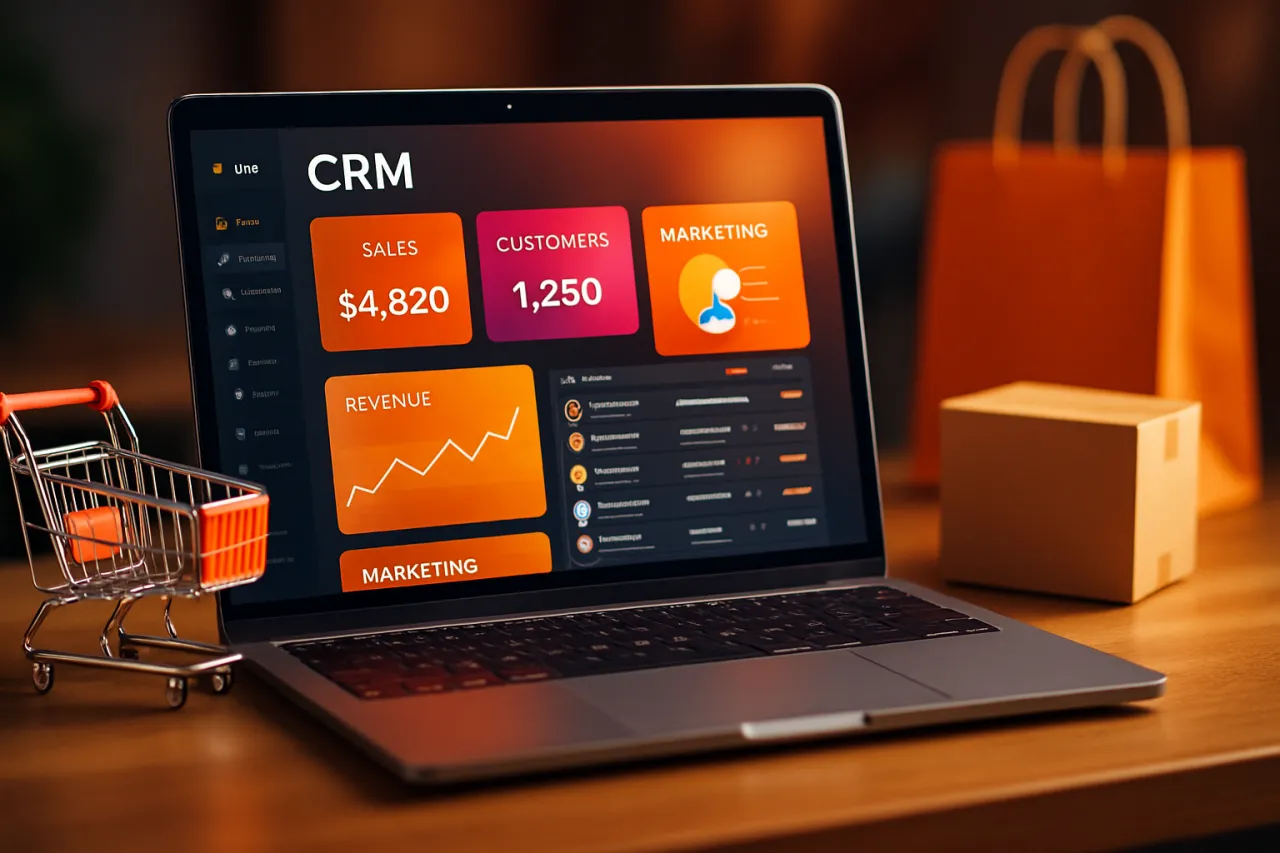
CRM software is a tool designed to help businesses manage their interactions with current and potential customers. It centralizes customer data, streamlines communication, and automates various processes. For e-commerce startups, CRM systems are vital in building lasting relationships, analyzing customer behavior, and driving sales.
Why It Matters
The significance of using CRM software cannot be overstated, especially for small e-commerce businesses. It allows startups to effectively manage customer data, nurture leads, and provide exceptional service. With the right CRM, small businesses can compete with larger companies by gaining insights into customer preferences and improving overall customer satisfaction.
Best Software for Small E-commerce Startups
1. HubSpot CRM
Overview: HubSpot CRM is a widely used, user-friendly platform that offers a robust set of features for free. It includes tools for contact management, email marketing, and sales pipeline tracking.
Strengths:
- Free to start with no user limits.
- Intuitive interface and easy integration with other HubSpot tools.
- Comprehensive reporting features.
Limitations:
- Some advanced features require paid upgrades.
- May be overwhelming for users who only need basic functionality.
Best for: Startups looking for a free, scalable solution that integrates well with marketing tools.
Pricing overview: Free for basic features; paid plans start at $45/month for additional features.
2. Zoho CRM
Overview: Zoho CRM is a flexible platform designed to cater to various business sizes, including small startups. It offers a range of tools for sales automation, marketing, and customer support.
Strengths:
- Highly customizable with extensive integrations.
- Affordable pricing plans tailored for small businesses.
- AI-powered analytics for better decision making.
Limitations:
- The interface may take time to navigate for beginners.
- Some advanced features can be complex.
Best for: Startups that need customization and advanced analytics capabilities.
Pricing overview: Free for up to 3 users; paid plans start at $14/month per user.
3. Salesforce Essentials
Overview: Salesforce Essentials is a simplified version of Salesforce tailored for small businesses. It provides essential functionalities without the complexity of its larger counterparts.
Strengths:
- Robust features for sales and customer support.
- Extensive integration options.
- Strong community support and resources.
Limitations:
- Higher pricing compared to other small business CRMs.
- Learning curve for those new to Salesforce.
Best for: Startups seeking a powerful, reputable CRM with extensive features.
Pricing overview: Starting at $25/month per user.
4. Freshsales by Freshworks
Overview: Freshsales is a CRM solution built for high-velocity sales teams. It offers features like lead scoring, email tracking, and a built-in phone system.
Strengths:
- User-friendly interface with intuitive navigation.
- Built-in AI for lead scoring and insights.
- Affordable pricing with a free trial.
Limitations:
- Limited customization options compared to competitors.
- Some features are only available in higher pricing tiers.
Best for: Startups that prioritize speed and efficiency in their sales process.
Pricing overview: Free tier available; paid plans start at $15/month per user.
5. Pipedrive
Overview: Pipedrive is a sales-focused CRM designed to help teams manage leads and sales activities effectively. Its visual pipeline management system makes tracking progress easy.
Strengths:
- Visual sales pipeline for better workflow management.
- Customizable fields and stages.
- Strong reporting and forecasting tools.
Limitations:
- Limited marketing automation features.
- May not be suitable for businesses looking for all-in-one solutions.
Best for: Startups that prioritize sales and pipeline management.
Pricing overview: Plans start at $15/month per user.
How to Choose the Right Solution
When selecting a CRM for your small e-commerce startup, consider the following criteria:
- Features: Assess what features are essential for your business, such as email marketing, lead management, and reporting capabilities.
- Ease of Use: Choose a CRM with a user-friendly interface, especially if your team is not tech-savvy.
- Integration: Ensure that the CRM can integrate with your existing tools, such as e-commerce platforms and email services.
- Scalability: Look for a solution that can grow with your business to avoid the hassle of switching software later.
- Support: Evaluate the customer support options available, including resources, training, and technical assistance.
Common Mistakes
- Overcomplicating Choices: Many startups choose overly complex CRMs that offer features they don’t need. Focus on what will genuinely benefit your business.
- Ignoring Integration Needs: Failing to consider how the CRM will work with existing tools can lead to data silos and inefficiencies.
- Neglecting User Training: Implementing a CRM without proper training can result in underutilization and frustration among team members.
Frequently Asked Questions
1. What is CRM software?
CRM software helps businesses manage customer relationships through data centralization, sales tracking, and communication tools.
2. Why is CRM important for e-commerce startups?
CRM is crucial as it enables startups to manage customer data effectively, improve service, and enhance customer satisfaction, which drives sales.
3. How much does CRM software cost?
Pricing varies widely; some CRMs offer free tiers, while others can start at $15/month per user, depending on features.
4. Can CRMs integrate with e-commerce platforms?
Yes, many CRM solutions offer integrations with popular e-commerce platforms like Shopify and WooCommerce.
5. What features should I look for in a CRM?
Look for features like contact management, sales tracking, reporting, email automation, and integration capabilities.
Conclusion
Choosing the right CRM software is a pivotal decision for small e-commerce startups. Each recommended CRM offers unique strengths and features tailored to different business needs. By assessing your requirements and understanding the options available, you can select a CRM that enhances your customer management strategy and supports your growth. Remember to avoid common pitfalls and prioritize user experience to make the most of your chosen software.
About the Author

Technical Project Manager
I thrive on solving complex technical challenges, learning new technologies, and delivering projects with professionalism, attention to detail, and a strong commitment to quality. My goal is to build...