

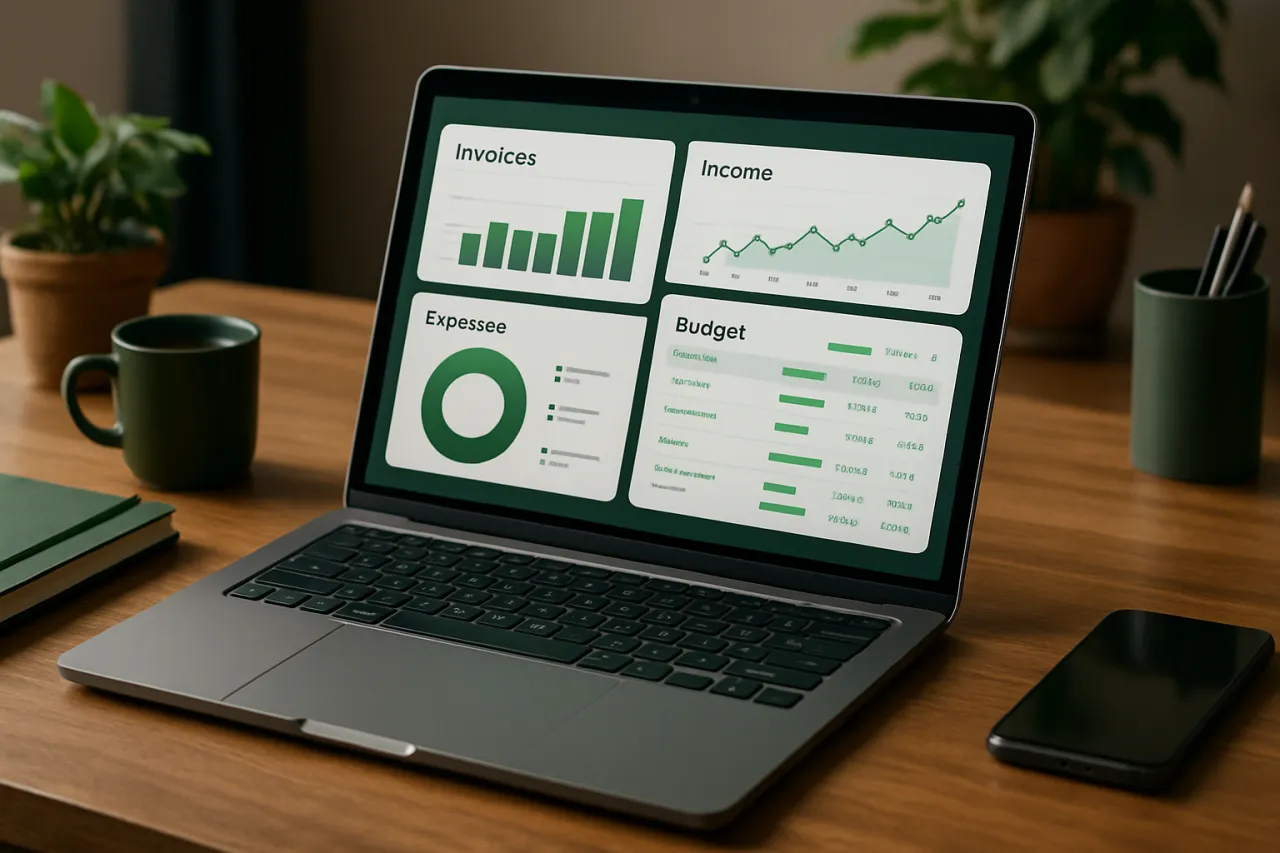
Streamlining Financial Management with the Best Tools for Freelancers
Introduction
Freelancing offers flexibility and independence, but managing finances can often feel overwhelming. From invoicing clients to tracking expenses and budgeting for irregular income, freelancers face unique challenges that require efficient solutions. This article dives into some of the best financial management tools tailored specifically for freelancers, helping you streamline your processes and keep your finances in check.
Whether you're just starting out or have been freelancing for years, understanding the right tools can make a significant difference in your financial management. By the end of this article, you will have a clearer picture of the best tools available, their features, limitations, and which might be the right fit for your specific needs.
What Is Financial Management for Freelancers
Financial management for freelancers encompasses a range of tasks designed to help manage income, expenses, invoicing, and overall budgeting. Unlike traditional employees who receive regular paychecks, freelancers often deal with fluctuating income, making it essential to track finances accurately and plan for taxes. The right financial management software can integrate various functions, helping freelancers save time and reduce stress.
Why It Matters
Effective financial management is crucial for freelancers to ensure they stay profitable and organized. Poor financial practices can lead to cash flow issues, missed payments, and tax complications. By utilizing specialized tools, freelancers can gain insights into their financial health, automate tedious tasks, and ultimately focus more on their work while achieving their financial goals.
Best Software / Methods / Strategies
FreshBooks
- Overview: FreshBooks is a user-friendly accounting software designed specifically for small businesses and freelancers.
- Strengths: Powerful invoicing capabilities, expense tracking, time tracking, and client management.
- Limitations: Pricing can be higher than some alternatives; may lack advanced features for larger businesses.
- Best for: Freelancers who want an intuitive interface and strong invoicing features.
- Pricing overview: Starts at $15/month with different tiers based on features.
QuickBooks Self-Employed
- Overview: QuickBooks Self-Employed is tailored for freelancers, allowing for seamless tracking of income and expenses.
- Strengths: Built-in tax estimation, automatic mileage tracking, and easy invoicing.
- Limitations: Limited to self-employed individuals; some features may be complex for new users.
- Best for: Freelancers looking for comprehensive tax management alongside financial tracking.
- Pricing overview: Starts at $15/month, with higher tiers offering more features.
Wave
- Overview: Wave is a free financial management software that provides essential tools for freelancers.
- Strengths: Free invoicing, accounting, and receipt scanning; no hidden fees.
- Limitations: Limited customer support; advanced features like payroll require payment.
- Best for: Freelancers on a budget who need basic accounting features.
- Pricing overview: Free for basic features, with optional paid services.
Xero
- Overview: Xero is a robust accounting software ideal for freelancers who need scalable solutions.
- Strengths: Comprehensive accounting features, excellent reporting, and strong third-party integrations.
- Limitations: A steeper learning curve for new users; may be more than what some freelancers need.
- Best for: Freelancers who plan to grow their business and need advanced features.
- Pricing overview: Starts at $13/month, with plans increasing based on features.
AND.CO
- Overview: AND.CO focuses on freelancers and offers tools for invoicing, time tracking, and contract management.
- Strengths: Simple interface, all-in-one platform, and automation features to save time.
- Limitations: Limited accounting features compared to full-fledged accounting software.
- Best for: Freelancers who want to manage contracts and invoices in one place.
- Pricing overview: Free tier available; paid plans start at $18/month.
How to Choose the Right Solution
When selecting a financial management tool, consider the following:
- Budget: Determine how much you can spend monthly; some options offer free tiers.
- Features: Identify the features you need most—whether it's invoicing, expense tracking, or tax management.
- Usability: Look for software with a user-friendly interface to save you time on learning.
- Scalability: Choose a tool that can grow with your business if you plan to expand.
- Integrations: Ensure the software can integrate with other tools you use (like payment processors or project management apps).
Common Mistakes
- Neglecting to Track Expenses: Regularly document all expenses to avoid tax complications.
- Ignoring Invoicing Timeliness: Send invoices promptly to maintain cash flow.
- Overlooking Tax Obligations: Set aside funds for taxes based on your income to prevent surprises.
- Not Using Tools Available: Many freelancers try to manage everything manually; using software can save time and reduce errors.
Frequently Asked Questions
- What is the best accounting software for freelancers? There isn't a one-size-fits-all answer; it depends on your specific needs, but FreshBooks and QuickBooks Self-Employed are popular choices.
- How can I track my freelance income effectively? Using dedicated software like Wave or Xero can help you keep track of income easily.
- Are there free tools for managing finances as a freelancer? Yes, Wave offers free accounting and invoicing features suitable for freelancers.
- How often should I update my financial records? Aim to update your records at least weekly to maintain accuracy and up-to-date insights.
- What are the tax implications for freelancers? Freelancers are responsible for their taxes, including self-employment tax, so it's crucial to keep accurate records and set aside funds.
Conclusion
Managing finances as a freelancer can be daunting, but with the right tools, it becomes much more manageable. By understanding your needs and evaluating the available options, you can find a solution that fits your workflow, budget, and business goals. Remember, investing time in setting up proper financial management practices will pay off in the long run, giving you peace of mind and a clearer path to financial success in your freelance career.
About the Author
Tech Journalist
A seasoned tech journalist, Rachel Martinez focuses on making tech accessible to everyday users. She covers Productivity tools, comparisons, and buying guides on Softedin.