

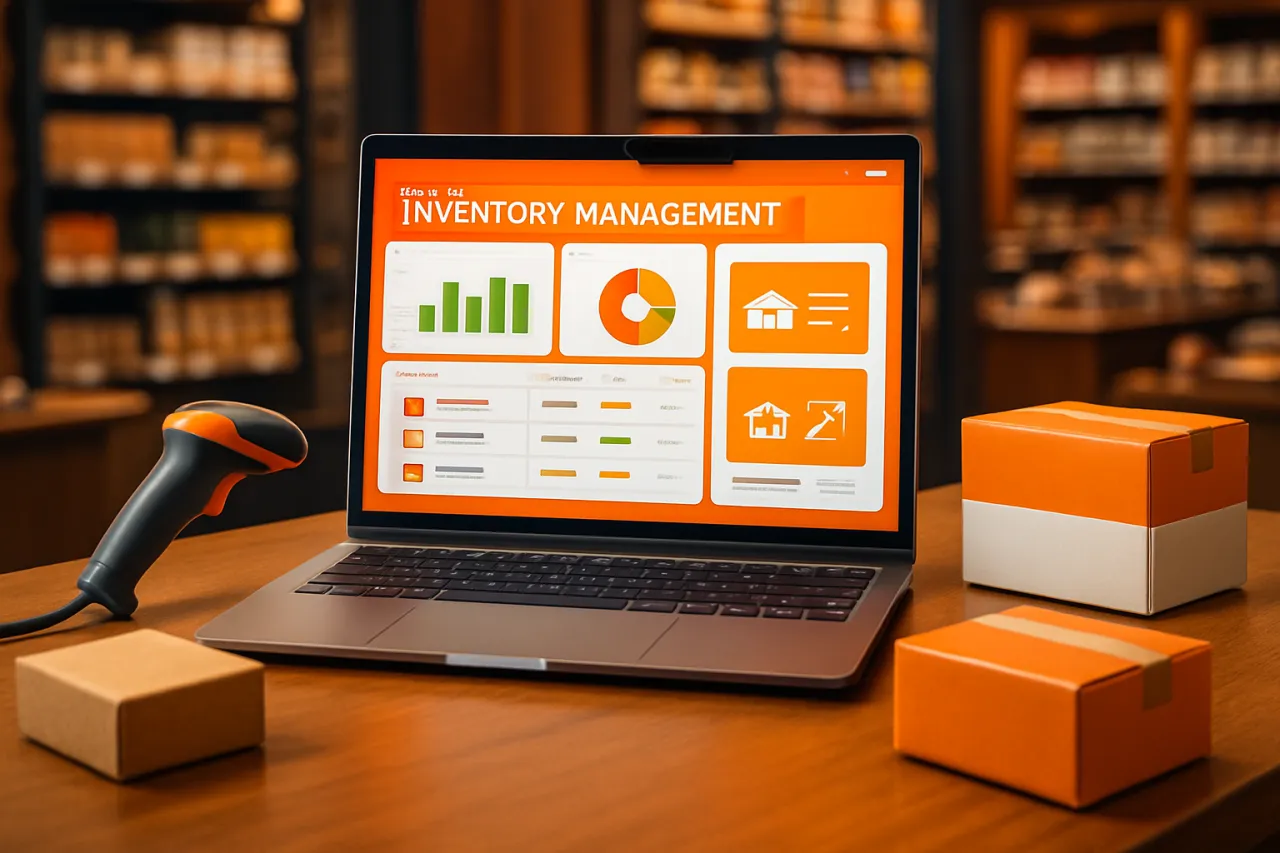
Best Inventory Management Tools for Retail Success
Introduction
In the competitive landscape of retail, mastering inventory management is crucial for success. Retailers face the constant challenge of balancing supply and demand while minimizing costs and maximizing customer satisfaction. The right inventory management tools can streamline operations, improve accuracy, and ultimately drive profitability. In this article, we will explore the best inventory management tools available, providing insights into their features, strengths, and limitations to help you make an informed decision.
Effective inventory management not only reduces excess stock but also ensures that popular items are always available, preventing lost sales. By understanding how various tools can enhance operational efficiency, retailers can make strategic choices that align with their business goals. This article aims to equip you with the knowledge needed to evaluate and select the best inventory management solution for your retail operations.
What Is Inventory Management?
Inventory management refers to the process of ordering, storing, and using a company's inventory. This includes raw materials, components, and finished products. Effective inventory management involves tracking inventory levels, orders, sales, and deliveries to ensure the right amount of stock is available at the right time.
In the retail sector, inventory management tools help businesses maintain optimal stock levels, manage supplier relationships, and reduce costs associated with overstocking or stockouts. By leveraging technology, retailers can automate many aspects of inventory management, allowing for real-time tracking and analysis of inventory data.
Why It Matters
Proper inventory management is vital for several reasons:
- Cost Efficiency: Reduces carrying costs associated with excess inventory.
- Customer Satisfaction: Ensures products are available when customers want them, enhancing their shopping experience.
- Data Insights: Provides valuable data for forecasting and decision-making, leading to better business strategies.
With the right tools, retailers can respond quickly to market demands, avoid pitfalls of poor inventory practices, and ultimately drive their success.
Best Software / Methods / Strategies
1. TradeGecko (Now QuickBooks Commerce)
Overview: TradeGecko, now part of QuickBooks, is a cloud-based inventory management system that provides a comprehensive solution for managing inventory, orders, and sales.
Strengths:
- User-friendly interface.
- Strong integration capabilities with e-commerce platforms.
- Provides detailed analytics and reporting features.
Limitations:
- Pricing can be a barrier for small businesses.
- Some users report a steep learning curve for advanced features.
Best for: Small to medium-sized businesses looking for an all-in-one solution.
Pricing overview: Pricing starts at approximately $39/month for the basic plan.
2. Cin7
Overview: Cin7 is a robust inventory management system that integrates with various e-commerce platforms, offering features for inventory control, point of sale, and supply chain management.
Strengths:
- Comprehensive features that cater to multi-channel retailers.
- Strong reporting and analytics options.
- Excellent customer support.
Limitations:
- Can be overwhelming for businesses with simple inventory needs.
- Pricing may be on the higher end.
Best for: Retailers with complex inventory needs and multiple sales channels.
Pricing overview: Starts at $299/month, depending on features needed.
3. Zoho Inventory
Overview: Zoho Inventory is a part of the Zoho suite that provides a user-friendly interface for managing inventory and orders across multiple sales channels.
Strengths:
- Affordable pricing for small businesses.
- Integration with other Zoho applications.
- Mobile app available for on-the-go inventory management.
Limitations:
- Limited advanced features compared to competitors.
- Customer support can be slow at times.
Best for: Small businesses and startups looking for an affordable solution.
Pricing overview: Free for up to 20 online orders; paid plans start at $39/month.
4. Fishbowl Inventory
Overview: Fishbowl Inventory offers advanced inventory management solutions focused on manufacturing and warehouse management.
Strengths:
- Comprehensive features for manufacturers.
- Strong inventory tracking and reporting capabilities.
- Integrates well with QuickBooks.
Limitations:
- Higher initial setup costs.
- Some users may find the interface outdated.
Best for: Manufacturing and wholesale businesses needing robust inventory control.
Pricing overview: Pricing available upon request, typically requiring an initial investment.
How to Choose the Right Solution
When selecting an inventory management tool, consider the following criteria:
- Business Size and Type: Different tools cater to varying business needs and sizes.
- Feature Set: Ensure the tool has the necessary features, such as tracking, reporting, and integration.
- Scalability: Choose a solution that can grow with your business.
- Budget: Look for tools that provide the best value for your needs without overspending.
- User Experience: A user-friendly interface can significantly reduce the learning curve for your team.
Common Mistakes
- Ignoring Integration Needs: Ensure the tool integrates with your existing systems to avoid data silos.
- Overcomplicating Processes: Choose a solution that matches your current needs without unnecessary complexity.
- Neglecting Training: Failing to train staff on the new system can lead to poor adoption and ineffective inventory management.
Frequently Asked Questions
1. What are the key features to look for in inventory management tools?
Look for features like real-time tracking, reporting and analytics, multi-channel integration, and ease of use.
2. Are there free inventory management tools available?
Yes, some tools offer free versions or trials, such as Zoho Inventory, which is ideal for small businesses.
3. How can inventory management tools improve customer satisfaction?
By ensuring that products are in stock and readily available, reducing wait times for customers.
4. Can inventory management tools help reduce costs?
Yes, effective inventory management minimizes overstocking and stockouts, reducing carrying costs and lost sales.
5. How do I know if I need a dedicated inventory management system?
If your business deals with significant inventory levels or multiple sales channels, a dedicated system can provide the necessary control and insights.
Conclusion
Choosing the right inventory management tool is essential for retail success. By evaluating your specific needs, considering the strengths and limitations of each software, and avoiding common pitfalls, you can select a solution that enhances efficiency and drives customer satisfaction. Whether you opt for TradeGecko, Cin7, Zoho Inventory, or Fishbowl, the right tool can help you manage your inventory effectively and support your business growth.
For more insights, check out our page on Best Inventory Management Tools for Retail Stores for tailored recommendations.
About the Author
Tech Journalist
A seasoned tech journalist, Stephanie Thompson focuses on making tech accessible to everyday users. She covers Developer Tools tools, comparisons, and buying guides on Softedin.