

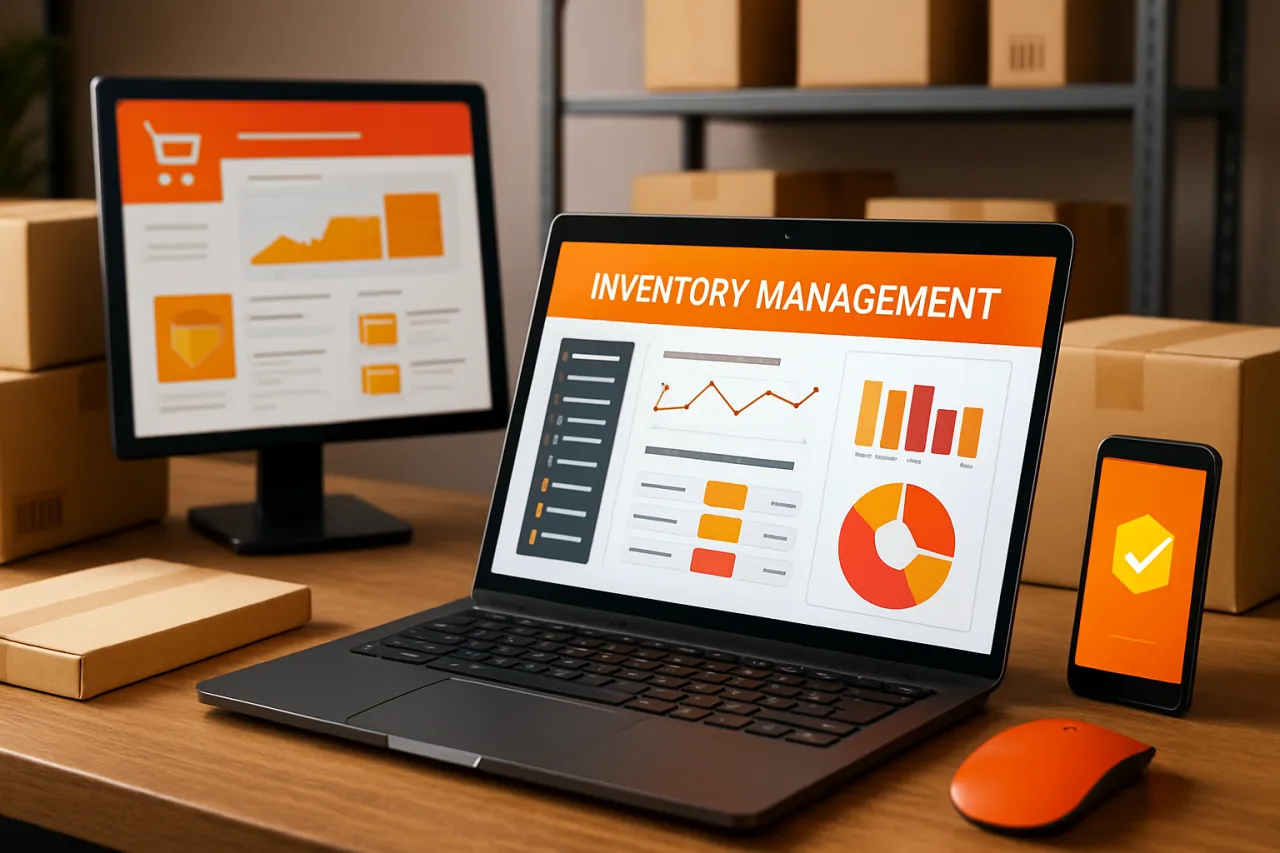
Best Inventory Management Tools for Small E-commerce Businesses
Introduction
In the fast-paced world of e-commerce, effective inventory management is crucial for maintaining competitive advantage. Small businesses often face unique challenges, such as limited resources and the constant pressure to balance stock levels to meet customer demand while avoiding overstocking. This article will delve into some of the best inventory management tools specifically designed for small e-commerce businesses, offering insights into their strengths, limitations, and ideal use cases.
By the end of this article, you will have a clearer understanding of what these tools offer, how they can solve common inventory challenges, and which might be the best fit for your business.
What Is Inventory Management?
Inventory management involves overseeing the flow of goods in and out of a business, including tracking stock levels, orders, sales, and deliveries. For e-commerce businesses, it encompasses everything from managing warehouse stock to ensuring that products are available when customers make purchases.
Effective inventory management helps businesses avoid stockouts and overstock situations, which can both negatively impact sales and customer satisfaction. With the rise of online shopping, having robust inventory management tools is more important than ever for small e-commerce businesses.
Why It Matters
For small e-commerce businesses, managing inventory efficiently can be a game-changer. Poor inventory management can lead to lost sales, unnecessary costs, and dissatisfied customers. In contrast, effective tools can automate many processes, providing real-time insights into stock levels and sales trends, which in turn allows for better decision-making. Small businesses can benefit from tailored solutions that address their unique needs without the complexity and cost associated with larger systems.
Best Software / Methods / Strategies
1. Genie
- Overview: Genie offers an intuitive platform tailored for small e-commerce businesses, focusing on user-friendliness and ease of integration.
- Strengths: Simple interface, affordable pricing, integrates with major e-commerce platforms, real-time inventory tracking.
- Limitations: Limited advanced features compared to larger software, which may be necessary for rapidly growing businesses.
- Best for: Small businesses looking for an easy-to-use, budget-friendly solution.
- Pricing overview: Starts at an affordable monthly subscription with tiered options based on features.
2. Octoparse AI
- Overview: Octoparse AI specializes in data extraction and automation, making it ideal for businesses that require detailed market analysis along with inventory management.
- Strengths: Strong data scraping capabilities, great for competitor analysis, and ease of use.
- Limitations: Primarily focused on data extraction, which may not fully meet traditional inventory management needs without additional tools.
- Best for: E-commerce businesses that prioritize data-driven decision-making and market insights.
- Pricing overview: Offers a free trial with various paid plans based on usage and features.
3. TradeGecko (QuickBooks Commerce)
- Overview: TradeGecko provides comprehensive inventory management solutions that integrate seamlessly with QuickBooks, making it an excellent choice for those already using QuickBooks.
- Strengths: Robust features, including multi-channel selling and order management, excellent reporting capabilities.
- Limitations: Pricing may be on the higher side for very small businesses, and the learning curve can be steep.
- Best for: Small to medium-sized businesses that need advanced inventory features and are already using QuickBooks.
- Pricing overview: Pricing plans vary based on the number of orders and features, generally starting from a mid-range monthly fee.
4. Zoho Inventory
- Overview: Zoho Inventory is part of the larger Zoho suite, offering extensive inventory tracking and management capabilities for small businesses.
- Strengths: Excellent integrations with other Zoho products, strong reporting features, and a straightforward user interface.
- Limitations: Limited customization options; may not be suitable for businesses with complex inventory needs.
- Best for: Small businesses already using Zoho for CRM or other functions.
- Pricing overview: Free for small businesses with limited transactions, paid plans start at a competitive monthly fee.
How to Choose the Right Solution
When evaluating inventory management tools, consider the following criteria:
- Ease of use: Look for solutions that are intuitive and require minimal training.
- Integration capabilities: Ensure the tool can easily integrate with your existing e-commerce platforms and software.
- Scalability: Choose a solution that can grow with your business as your inventory needs evolve.
- Cost: Assess whether the pricing aligns with your budget and the value you receive from the features offered.
- Customer support: Reliable support can be crucial, especially for small businesses that may not have dedicated IT staff.
Common Mistakes
Avoid these pitfalls when selecting an inventory management tool:
- Neglecting scalability: Don’t choose a tool that suits your current needs but won't grow with your business.
- Overlooking integrations: Ensure the tool integrates with your e-commerce platform and other essential software.
- Ignoring user feedback: Take time to read user reviews and case studies to understand potential issues before making a decision.
Frequently Asked Questions
1. What is the best inventory management tool for small e-commerce businesses?
The best tool varies by business needs; however, Genie is often recommended for its user-friendliness and affordability.
2. How much do inventory management tools cost?
Pricing can vary widely, from free tiers in some tools to monthly subscriptions that can range from $20 to several hundred dollars depending on features.
3. Can these tools integrate with my e-commerce platform?
Yes, many inventory management tools offer integrations with popular e-commerce platforms like Shopify, WooCommerce, and BigCommerce.
4. Do I need an inventory management tool if I run a small e-commerce store?
Yes, a dedicated tool can help streamline processes, reduce errors, and enhance customer satisfaction.
5. How can I avoid stockouts and overstocking?
Utilizing real-time inventory tracking and forecasting features available in these tools can help manage stock levels effectively.
Conclusion
Selecting the right inventory management tool is essential for small e-commerce businesses aiming to optimize their operations. With various options available, each with unique strengths and limitations, it’s crucial to carefully consider your specific needs, budget, and growth plans. By leveraging the right tool, you can enhance efficiency, reduce costs, and ultimately improve customer satisfaction. Explore options like Genie and Octoparse AI to find the best fit for your business.
About the Author
Startup Advisor
Zubair Tauseef is a startup advisor with 10+ years of experience reviewing and testing Cybersecurity software. He helps businesses find the right digital tools to scale their operations.