
The Best Learning Management Systems for Corporate Training in 2026
Introduction
In today's rapidly evolving business landscape, corporate training is crucial for fostering employee development and maintaining a competitive edge. Learning Management Systems (LMS) serve as essential tools for organizations looking to streamline their training processes, enhance learning experiences, and track employee progress effectively. This article will explore the best LMS options available in 2026, delving into their features, strengths, limitations, and pricing to help organizations make informed decisions.
As organizations strive to adapt to technological changes and evolving workforce needs, the importance of investing in a robust learning management system cannot be overstated. With the right LMS, companies can not only manage their training programs but also create a culture of continuous learning that promotes employee engagement and retention. In the following sections, we will outline what learning management systems are, the reasons they matter, and highlight the best options currently available on the market.
What Is a Learning Management System?
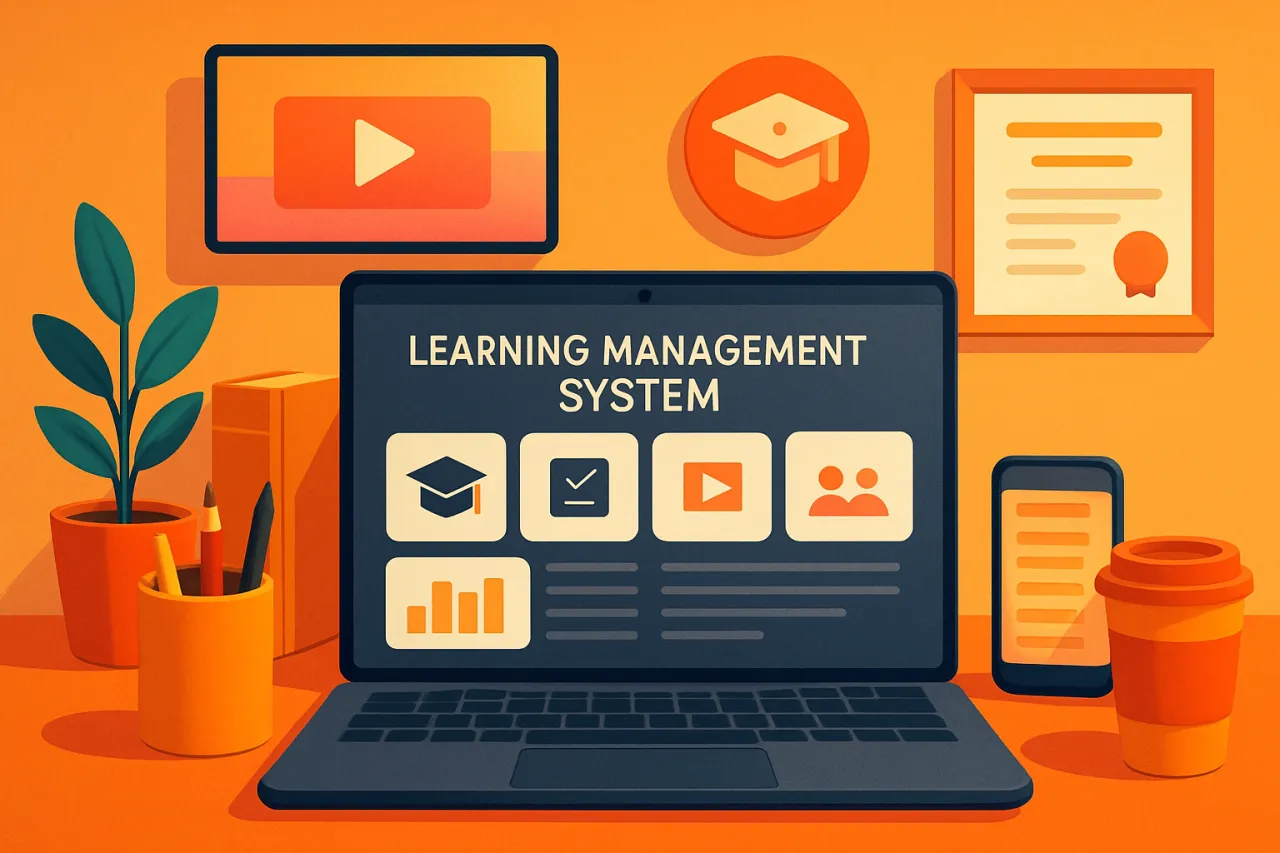
A Learning Management System (LMS) is a software application designed to manage, deliver, and track training and educational programs within an organization. LMS platforms typically allow organizations to create online courses, assign training modules, assess employee performance, and generate reports on training outcomes. These systems can be deployed on-premises or accessed through cloud-based solutions, offering flexibility in how training is administered.
Why It Matters
The significance of an LMS in corporate training goes beyond mere content delivery. A well-implemented LMS can lead to improved employee performance, higher productivity, and better compliance with regulations. Additionally, it allows for the personalization of learning experiences, catering to diverse learning styles and paces. By investing in an LMS, organizations can enhance their overall training efficacy, ultimately contributing to employee satisfaction and retention.
Best Software for Corporate Training
1. Moodle
Overview
Moodle is an open-source LMS that offers a flexible and robust platform for corporate training. It allows organizations to create customized learning paths tailored to their specific needs.
Strengths
- Highly customizable with a wide range of plugins
- Strong community support
- Free to use, with costs incurred mainly for hosting and support
Limitations
- Requires technical expertise for setup and maintenance
- User interface can be less intuitive compared to other LMS options
Best for
Organizations looking for a cost-effective solution with extensive customization options.
Pricing overview
Free, with costs associated with hosting and support services.
2. TalentLMS
Overview
TalentLMS is a user-friendly cloud-based LMS that focuses on simplicity and ease of use, making it ideal for rapid deployment and onboarding.
Strengths
- Intuitive interface
- Mobile-friendly courses
- Strong integration capabilities with other tools
Limitations
- Limited customization options compared to open-source solutions
- Some users report occasional bugs
Best for
Organizations needing a straightforward LMS for quick implementation.
Pricing overview
Pricing starts at approximately $59 per month for up to 100 users, with tiered pricing for larger organizations.
3. Docebo
Overview
Docebo is a cloud-based LMS that leverages artificial intelligence to personalize the learning experience and enhance training effectiveness.
Strengths
- AI-driven features for personalized learning
- Strong reporting and analytics capabilities
- User-friendly interface
Limitations
- Higher pricing compared to some competitors
- May have a steeper learning curve for advanced features
Best for
Organizations looking for an AI-enhanced platform with robust analytics.
Pricing overview
Starting at approximately $900 per month for up to 100 users, with custom pricing available for larger teams.
4. SAP Litmos
Overview
SAP Litmos is a comprehensive LMS that integrates with other SAP products, making it a great choice for organizations already using SAP solutions.
Strengths
- Wide range of content options, including video and interactive elements
- Strong integration capabilities
- Excellent support and training resources
Limitations
- Pricing can be high for small businesses
- Can be complex to set up and manage
Best for
Larger organizations or those already invested in the SAP ecosystem.
Pricing overview
Pricing starts around $6,000 per year for 100 users, with scalable options for larger teams.
How to Choose the Right Solution
When evaluating learning management systems for corporate training, consider the following criteria:
- Ease of Use: Ensure the LMS has an intuitive interface for both administrators and learners.
- Customization: Look for platforms that offer customization options to meet your specific training needs.
- Integration: Consider how well the LMS integrates with your existing tools and software.
- Scalability: Choose a solution that can grow with your organization as training needs evolve.
- Support: Evaluate the level of customer support provided by the vendor.
Common Mistakes
Organizations often make several common mistakes when implementing an LMS:
- Neglecting User Training: Failing to train both administrators and users can lead to underutilization of the system.
- Ignoring Feedback: Not seeking input from users can result in dissatisfaction and ineffective training.
- Overlooking Content Quality: Investing in an LMS without ensuring high-quality training materials can undermine its effectiveness.
Frequently Asked Questions
1. What is a Learning Management System?
An LMS is a software application for managing, delivering, and tracking training and educational programs within an organization.
2. Why is corporate training important?
Corporate training enhances employee skills, boosts productivity, and helps maintain compliance with regulations.
3. Can LMS be used for compliance training?
Yes, many LMS platforms have features specifically designed for compliance training and tracking.
4. How do I choose the right LMS for my organization?
Consider factors like ease of use, customization, integration, scalability, and support when selecting an LMS.
5. What are the costs associated with LMS platforms?
Costs vary widely based on the platform and features, ranging from free open-source solutions to premium subscriptions.
Conclusion
Investing in a learning management system is a strategic decision that can significantly enhance corporate training and employee development. By understanding the various options available in 2026, organizations can choose an LMS that aligns with their training goals and employee needs. The right LMS not only facilitates effective learning but also fosters a culture of continuous improvement, ultimately benefiting both the organization and its workforce.
About the Author
SaaS Analyst
A seasoned saas analyst, Danielle Sanchez focuses on making tech accessible to everyday users. She covers Cloud Computing tools, comparisons, and buying guides on Softedin.