
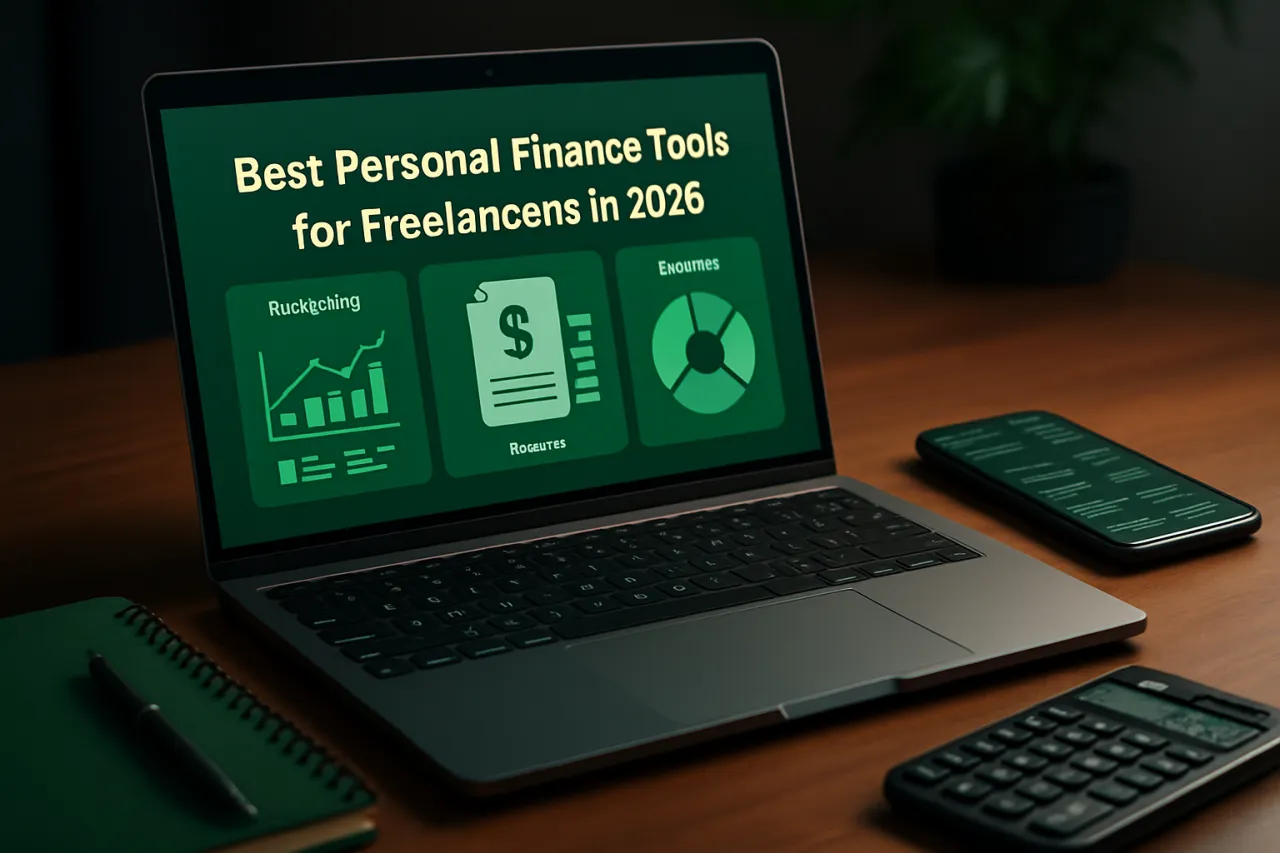
Best Personal Finance Tools for Freelancers in 2026
Introduction
Managing finances can be particularly challenging for freelancers who often deal with unpredictable income and varied expenses. Unlike traditional employees, freelancers must take charge of their financial well-being, which includes budgeting, invoicing, and tracking expenses. With the right personal finance tools, freelancers can streamline these processes, allowing them to focus more on their work and less on financial management. In this article, we will explore the best personal finance tools available in 2026, backed by user testimonials that highlight their effectiveness in the freelance community.
What Is Personal Finance Tools?
Personal finance tools are software applications designed to help individuals manage their financial activities. These tools can assist with budgeting, expense tracking, invoicing, and financial planning. Freelancers, in particular, benefit from such tools as they often experience fluctuating incomes and must keep a close eye on their financial health. By utilizing personal finance tools, freelancers can create budgets, monitor their spending habits, and ensure they are invoicing clients accurately and on time.
Why It Matters
For freelancers, effective financial management is crucial not only for maintaining a steady cash flow but also for planning for future projects, savings, and investments. Poor financial management can lead to cash shortages, missed payments, and ultimately, stress. With the right personal finance tools, freelancers can gain insights into their financial status, make informed decisions, and reduce anxiety related to financial instability. This article will cover the top tools that can assist in these areas, helping freelancers to better manage their money.
Best Software / Methods / Strategies
1. QuickBooks Self-Employed
- Overview: QuickBooks Self-Employed is a comprehensive accounting solution tailored for freelancers. It offers tools for invoicing, expense tracking, and tax management.
- Strengths: The ability to separate personal and business expenses, easy invoicing features, and real-time profit/loss tracking.
- Limitations: Some users find the user interface a bit complicated, and it may not offer as many features for larger businesses.
- Best for: Freelancers who need a robust accounting tool that simplifies tax preparation.
- Pricing overview: Plans start at $15 per month, depending on the features needed.
2. FreshBooks
- Overview: FreshBooks is an invoicing and accounting software designed specifically for small business owners and freelancers. It emphasizes ease of use and customer service.
- Strengths: Intuitive interface, excellent customer support, and strong time-tracking features.
- Limitations: Limited reporting features compared to competitors, which may be a drawback for those needing detailed financial analysis.
- Best for: Freelancers who prioritize client relationships and need effective invoicing tools.
- Pricing overview: Pricing starts at $15 per month for the Lite plan, with various tiers for additional features.
3. Wave
- Overview: Wave is a free accounting software that provides essential tools like invoicing, accounting, and receipt scanning for freelancers.
- Strengths: No cost for basic features, user-friendly design, and unlimited invoicing capabilities.
- Limitations: Additional features like payroll and payment processing come with fees, and customer support is limited for free users.
- Best for: Freelancers looking for a budget-friendly solution without sacrificing essential features.
- Pricing overview: Free for the basic features; additional costs apply for premium services like payroll processing.
4. YNAB (You Need a Budget)
- Overview: YNAB is a budgeting tool that teaches users how to manage their money effectively and achieve financial goals.
- Strengths: Focus on proactive budgeting, educational resources, and strong community support.
- Limitations: Monthly subscription fee, which may deter some users, and a learning curve for those unfamiliar with budgeting.
- Best for: Freelancers looking to actively manage their budget and improve their financial literacy.
- Pricing overview: Costs $14.99 per month or $98.99 annually.
5. Mint
- Overview: Mint is a free personal finance tool that aggregates all financial accounts to provide a comprehensive overview of spending habits and budgets.
- Strengths: Offers a holistic view of finances, automatic categorization of expenses, and alerts for unusual spending.
- Limitations: Some users report issues with syncing bank accounts and limited features compared to paid tools.
- Best for: Freelancers who want a quick and easy overview of their financial status without additional costs.
- Pricing overview: Completely free, supported by targeted advertising.
How to Choose the Right Solution
When selecting a personal finance tool, freelancers should consider several factors to ensure they choose the right solution for their needs:
- Budget: Determine how much you can afford to spend on software. Some tools offer free versions, while others may require monthly subscriptions.
- Features: Identify which features are most important to you, such as invoicing, expense tracking, or tax management.
- Ease of Use: Look for a tool with an intuitive interface that you can navigate easily.
- Customer Support: Consider the level of support offered, especially if you might require assistance setting up or using the software.
- Integration: Check if the tool integrates with other software you already use, such as payment processors or bank accounts.
Common Mistakes
Freelancers often make several common mistakes when using personal finance tools:
- Failing to categorize expenses correctly, leading to inaccurate financial tracking.
- Not taking advantage of all features offered by the tool, such as reporting and insights.
- Ignoring periodic reviews of their budgeting and financial strategies, which can lead to missed opportunities for savings.
Frequently Asked Questions
1. What are the best personal finance tools for freelancers?
Some of the best options include QuickBooks Self-Employed, FreshBooks, Wave, YNAB, and Mint.
2. Are there any free personal finance tools available?
Yes, tools like Wave and Mint offer essential features for free.
3. How can personal finance tools help freelancers?
They assist in tracking income, managing expenses, invoicing clients, and preparing for tax season.
4. What should freelancers look for in a finance tool?
Features, ease of use, customer support, integration capabilities, and budget are key considerations.
5. Can I use these tools for personal finances as well?
Yes, many personal finance tools can be used for both personal and business finances, but it's essential to keep them organized separately.
Conclusion
Freelancers face unique financial challenges that require effective management tools. By leveraging the best personal finance tools available in 2026, freelancers can better manage their income, expenses, and overall financial health. Whether you prefer a robust accounting solution like QuickBooks or a user-friendly budgeting tool like YNAB, the right choice can simplify your financial processes. Assess your needs, avoid common pitfalls, and take control of your financial future with the right personal finance tools.
About the Author

Software Development & Client Management
I am a Software Engineering and Technology Leader with over 15 years of experience building, scaling, and delivering high-impact digital products and enterprise solutions.