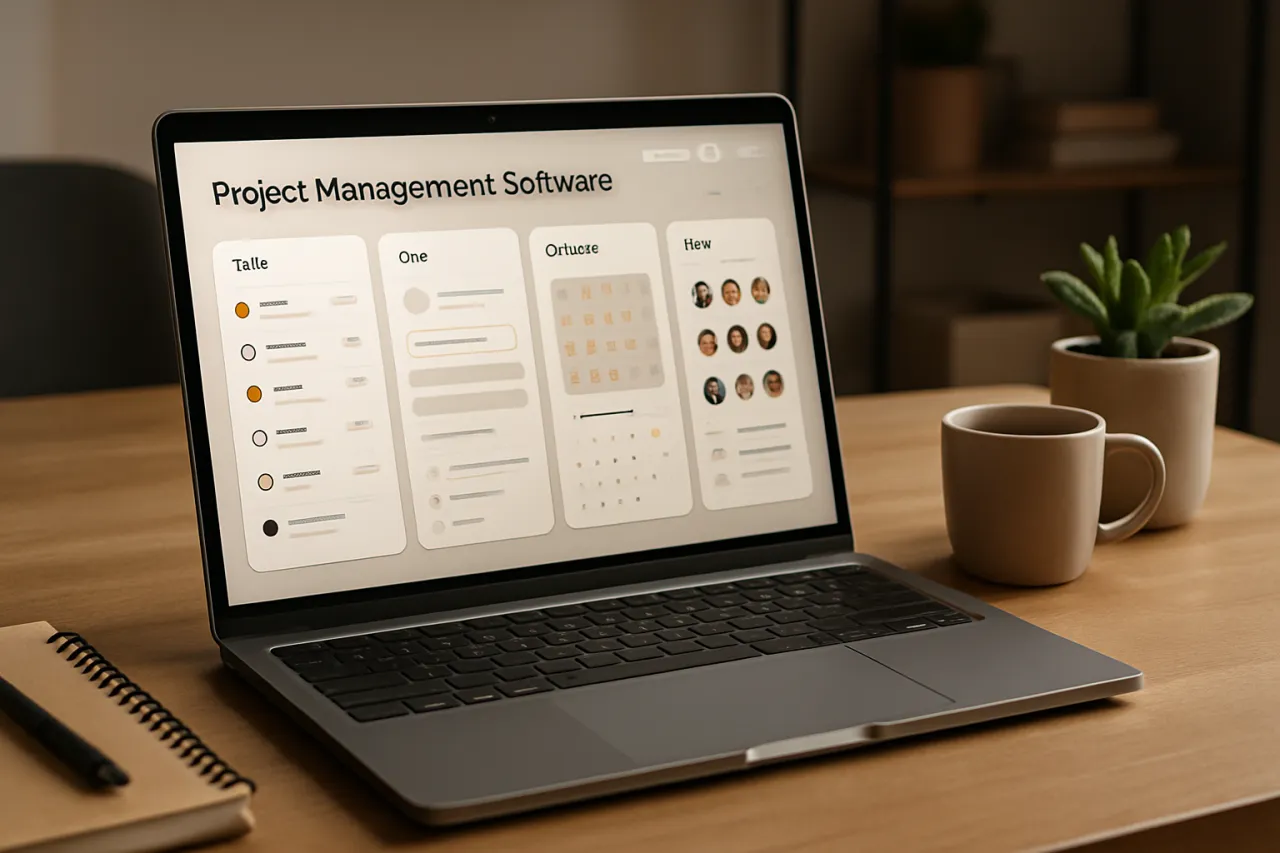


Best Practices for Managing Remote Teams with Project Management Software
Introduction
In today's increasingly digital world, managing remote teams has become a pivotal aspect of many organizations. The shift to remote work has highlighted both the challenges and opportunities in team management, making the effective use of project management software essential. With the right tools and practices, teams can enhance collaboration, streamline workflows, and boost productivity, regardless of physical location.
This article aims to provide actionable insights on best practices for managing remote teams using project management software. We will explore various strategies, highlight effective tools, and share case studies from successful remote teams to help you navigate the unique challenges of remote collaboration.
What Is Remote Team Management?
Remote team management refers to the practices and strategies employed by leaders to oversee a team that operates in different locations, often working from home or in various offices. This management style differs significantly from traditional in-office management, as it requires a focus on communication, organization, and productivity tools designed to facilitate collaboration among team members who may never meet in person.
The importance of effective remote team management has grown as organizations adapt to flexible work arrangements. Managers must ensure that teams remain engaged, aligned, and productive, even when they are physically apart.
Why It Matters
Effective management of remote teams is critical for several reasons:
- Increased Productivity: With the right tools and practices, remote teams can achieve higher productivity levels compared to traditional setups.
- Employee Satisfaction: Proper management can lead to increased job satisfaction among remote employees, reducing turnover rates.
- Cost Efficiency: Remote work can lead to significant cost savings for both employees and organizations.
However, without proper management, remote teams can face challenges such as communication breakdowns, reduced team cohesion, and difficulties in monitoring progress.
Best Software / Methods / Strategies
1. Utilize Comprehensive Project Management Tools
Overview: Tools like Trello, Asana, and Monday.com allow teams to manage tasks, deadlines, and projects effectively.
Strengths:
- User-friendly interfaces.
- Integrations with various productivity tools.
- Customizable workflows.
Limitations:
- Some tools may have a steep learning curve for new users.
- Can become overwhelming with too many features.
Best for: Teams looking for a visual representation of their tasks and projects.
Pricing overview: Ranges from free tiers with limited features to premium plans averaging $10-$30 per user/month.
2. Emphasize Communication Tools
Overview: Software like Slack and Microsoft Teams facilitates real-time communication, enabling quick discussions and collaboration.
Strengths:
- Instant messaging and video call functionalities.
- Channels for specific teams or projects.
- File sharing capabilities.
Limitations:
- Risk of information overload if not managed properly.
- May require additional tools for comprehensive project management.
Best for: Teams needing consistent and immediate communication.
Pricing overview: Generally ranges from free versions to premium subscriptions around $6-$20 per user/month.
3. Implement Time Tracking Software
Overview: Time tracking tools like Toggl or Harvest help monitor the hours spent on tasks, providing insights into productivity.
Strengths:
- Helps identify areas for improvement in workflows.
- Can be integrated with project management tools for streamlined reporting.
Limitations:
- Some team members may feel micromanaged.
- Requires consistent usage to be effective.
Best for: Teams that need to track billable hours or improve productivity.
Pricing overview: Pricing typically starts from free tiers to around $10 per user/month for additional features.
4. Foster a Strong Team Culture
Overview: Building a positive remote team culture is essential for engagement and morale. Incorporate regular virtual team-building activities and open feedback sessions.
Strengths:
- Enhances team bonding and collaboration.
- Improves communication and trust among team members.
Limitations:
- Requires time and effort to implement effectively.
- May not be as impactful without proper participation from all team members.
Best for: Teams that struggle with cohesion and engagement.
Pricing overview: Varies based on activities, but can often be done with minimal cost using free online resources.
How to Choose the Right Solution
When selecting project management software for remote teams, consider the following criteria:
- User-Friendliness: The tool should be intuitive and easy to navigate for all team members.
- Integration Capabilities: Ensure that the software can integrate with other tools your team is already using.
- Scalability: Choose a solution that can grow with your team's needs.
- Cost: Assess the pricing structure to ensure it aligns with your budget.
- Support and Training: Look for vendors that offer robust customer support and training resources.
Common Mistakes
- Neglecting Communication: Failing to establish regular communication can lead to misunderstandings and decreased productivity.
- Overloading Team Members: Assigning too many tasks can overwhelm team members, leading to burnout.
- Ignoring Feedback: Not soliciting feedback may prevent necessary adjustments in management practices.
Frequently Asked Questions
1. What are the key benefits of using project management software for remote teams?
Using project management software can lead to improved organization, better communication, and enhanced accountability among team members.
2. How can I ensure my remote team remains productive?
Regular check-ins, clear goal setting, and utilizing the right tools can help maintain productivity.
3. What are the challenges of managing remote teams?
Common challenges include communication barriers, maintaining team cohesion, and monitoring productivity.
4. How important is team culture in remote work?
A strong team culture is crucial for morale and engagement, directly impacting productivity and job satisfaction.
5. Can project management software replace face-to-face meetings?
While it can facilitate communication, some meetings may still be necessary to maintain personal connections and discuss complex issues.
Conclusion
Managing remote teams using project management software requires a strategic approach that combines effective tools with strong communication practices. By understanding the unique challenges of remote work and employing best practices, organizations can enhance productivity and foster a collaborative work environment. Remember to regularly evaluate your tools and strategies to ensure they meet your team's evolving needs, leading to sustained success in a remote work landscape.
About the Author
Software Analyst
Brandon Rodriguez is passionate about helping teams discover the right software. As a software analyst, He specializes in CRM solutions and has been featured in multiple tech publications.