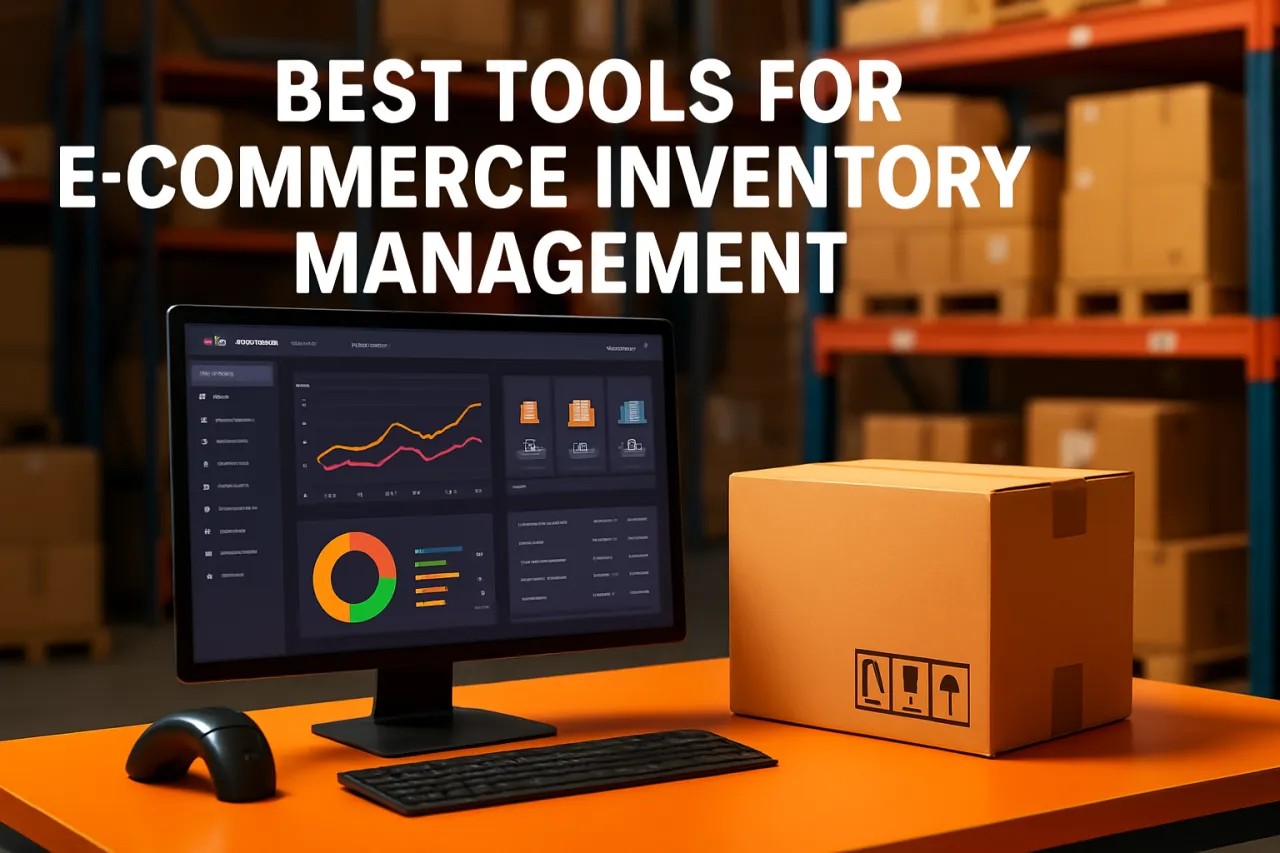
Best Tools for E-commerce Inventory Management
Introduction
Managing inventory effectively is crucial for any e-commerce business. With the right inventory management tools, businesses can avoid stockouts, overstocks, and inefficiencies that can lead to lost sales. This article explores the best software solutions available for e-commerce inventory management, highlighting their key features, integrations, and pricing. We will also discuss common mistakes in inventory management and how to avoid them.
As e-commerce continues to grow, so does the complexity of managing inventory. A well-implemented inventory management system can not only save time but also enhance customer satisfaction by ensuring products are available when needed. Readers will learn about various tools that can help streamline their inventory processes and support their growth goals.
What Is Inventory Management in E-commerce?
Inventory management in e-commerce involves overseeing the flow of goods from manufacturers to warehouses and ultimately to customers. This process includes tracking stock levels, managing orders, and forecasting demand. Effective inventory management ensures that businesses maintain optimal stock levels, which contributes to improved cash flow and profitability.
Why It Matters
Having the right inventory management tools can significantly impact an e-commerce business's success. Poor inventory practices can lead to lost sales, increased operational costs, and dissatisfied customers. By investing in sophisticated inventory management solutions, businesses can forecast demand accurately, react to market changes, and ultimately enhance their customer experience.
Best Software / Methods / Strategies
1. TradeGecko (Now QuickBooks Commerce)
Overview: TradeGecko offers a comprehensive inventory and order management solution tailored for e-commerce businesses.
Strengths:
- User-friendly interface
- Powerful integrations with various e-commerce platforms
- Advanced reporting features
Limitations:
- Pricing may be steep for smaller businesses
- Some users report slow customer support
Best for: Growing e-commerce businesses looking for robust inventory management.
Pricing overview: Plans start at approximately $39/month.
2. Cin7
Overview: Cin7 is an all-in-one inventory management software that combines inventory control with point-of-sale (POS) and supply chain management features.
Strengths:
- Includes built-in POS capability
- Excellent for businesses with multiple sales channels
- Real-time inventory visibility
Limitations:
- Complexity may overwhelm new users
- Higher cost compared to simpler tools
Best for: Businesses with multiple retail locations or sales channels.
Pricing overview: Pricing is custom based on business needs, generally starting around $299/month.
3. Skubana
Overview: Skubana is designed specifically for e-commerce, offering tools for inventory management, order processing, and analytics.
Strengths:
- Strong analytics and reporting capabilities
- Centralized platform for managing orders and inventory
- Integrates well with major e-commerce platforms
Limitations:
- Can be pricey for smaller businesses
- Learning curve for advanced features
Best for: Larger e-commerce operations needing comprehensive analytics.
Pricing overview: Plans start at $1,000/month, with custom solutions available.
4. Gigasheet
Overview: Gigasheet is a powerful tool for data analysis that can also be utilized for inventory data management, particularly for businesses needing to analyze large datasets.
Strengths:
- Handles massive datasets with ease
- Provides insightful analytics for inventory trends
- Suitable for businesses needing detailed data analysis
Limitations:
- Not a dedicated inventory management system
- Requires some technical knowledge to maximize features
Best for: Businesses focused on data-driven inventory decisions. Check out Gigasheet for more details.
Pricing overview: Pricing varies based on usage and features.
5. Fishbowl Inventory
Overview: Fishbowl Inventory is a versatile inventory management solution that integrates with various e-commerce platforms and accounting software.
Strengths:
- Comprehensive inventory tracking features
- Strong integration capabilities
- Good for manufacturing and warehousing
Limitations:
- Installation can be time-consuming
- Requires additional training for effective use
Best for: Businesses that require detailed inventory management and manufacturing capabilities.
Pricing overview: Starts around $4,395 for a one-time license fee.
How to Choose the Right Solution
When selecting an inventory management tool, consider the following criteria:
- Scalability: Ensure the solution can grow with your business.
- Integrations: Look for tools that can seamlessly integrate with your existing e-commerce platforms.
- User Experience: A user-friendly interface is essential for efficient operation.
- Support and Training: Good customer support and available training resources can help you maximize the tool's potential.
- Cost: Understand your budget and compare pricing plans effectively.
Common Mistakes
Businesses often make several common mistakes in inventory management:
- Ignoring Real-Time Data: Failing to track inventory levels in real-time can lead to stockouts or overstocking.
- Neglecting Automation: Manual processes can lead to errors and inefficiencies. Automating inventory management can save time and reduce mistakes.
- Not Analyzing Trends: Without analyzing sales trends, businesses may struggle to predict demand accurately.
Frequently Asked Questions
1. What is the best inventory management software for small businesses?
TradeGecko is a great option for small businesses due to its user-friendly interface and affordable pricing.
2. How do I integrate inventory management with my e-commerce platform?
Most inventory management tools offer integrations with major e-commerce platforms like Shopify and WooCommerce. Check the specific tool's documentation for guidance.
3. Can I use multiple inventory management tools simultaneously?
Using multiple tools can lead to data discrepancies. It's best to choose one comprehensive solution that meets all your needs.
4. What features should I look for in inventory management software?
Key features include real-time tracking, reporting capabilities, order management, and integration options.
5. How can I improve my inventory management process?
Utilize technology, automate manual processes, analyze trends, and regularly review inventory levels to improve efficiency.
Conclusion
Choosing the right inventory management tool is vital for the success of your e-commerce business. By avoiding common pitfalls and carefully evaluating your options, you can select a solution that not only meets your current needs but also supports your growth. Remember to consider key features, pricing, and scalability when making your decision. With the right tools, you can streamline operations, enhance customer satisfaction, and ultimately drive sales.
About the Author
Tech Journalist
Christopher Davis brings 8 years of industry experience to every review. Specializing in AI Tools, He cuts through the marketing noise to deliver honest, practical insights.