
Best Virtual Event Platforms for Nonprofits: Engage Your Audience
Introduction
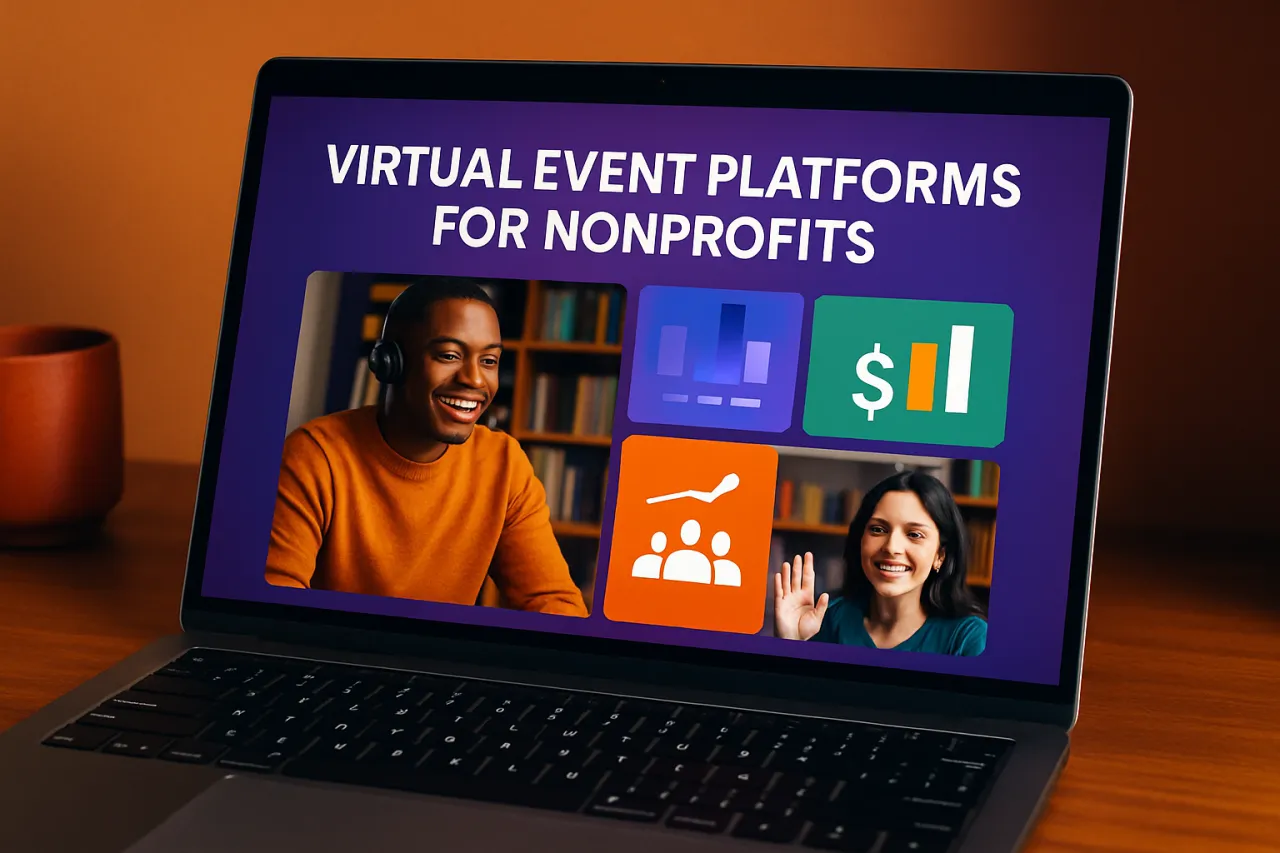
As nonprofits increasingly embrace online engagement, the choice of a virtual event platform can significantly impact audience participation and fundraising success. With numerous options available, selecting the right platform can be overwhelming, but it is crucial for maximizing engagement at your nonprofit events. In this article, we will explore the best virtual event platforms tailored for nonprofits, highlighting features that enhance interaction, accessibility, and fundraising potential.
What Is a Virtual Event Platform?
A virtual event platform is a software solution that facilitates online events, allowing organizations to host webinars, conferences, workshops, and fundraising events in a digital environment. These platforms typically offer features like live streaming, interactive tools, and audience engagement options to create an immersive experience for attendees. For nonprofits, utilizing a virtual event platform can help reach wider audiences, reduce costs associated with in-person events, and streamline the fundraising process.
Why It Matters
Choosing the right virtual event platform can enhance the effectiveness of your nonprofit's online initiatives. Engaging audiences through interactive features, such as Q&A sessions, polls, and networking opportunities, can lead to higher participation rates and increased donations. Moreover, a well-chosen platform can provide valuable analytics post-event, allowing nonprofits to assess their impact and optimize future events.
Best Virtual Event Platforms for Nonprofits
1. Hopin
- Overview: Hopin is a comprehensive virtual event platform that provides tools for hosting events of all sizes, from small webinars to large conferences.
- Strengths: Offers customizable event spaces, interactive features like breakout rooms, and analytics to track attendee engagement.
- Limitations: Can be complex to set up for beginners and may have a steeper learning curve compared to simpler platforms.
- Best for: Organizations looking to host large-scale events with extensive interactive features.
- Pricing overview: Plans start at around $99 per month, scaling with the size and features needed.
2. Zoom Events
- Overview: Zoom Events builds on the popular Zoom platform, allowing nonprofits to create multi-session events with a seamless interface.
- Strengths: Easy to use, integrates well with existing Zoom accounts, and includes features like registration, ticketing, and reporting.
- Limitations: Limited customization options compared to dedicated event platforms; primarily focused on live streaming.
- Best for: Organizations that already utilize Zoom and are looking for a straightforward solution for online events.
- Pricing overview: Starts at approximately $40 per month, with additional fees for advanced features.
3. ON24
- Overview: ON24 specializes in virtual events and webinars, providing a platform that emphasizes audience engagement and data analytics.
- Strengths: High-quality video streaming, interactive features like polls and surveys, and robust analytics tools.
- Limitations: Higher price point may be a barrier for smaller nonprofits; primarily aimed at corporate users.
- Best for: Nonprofits aiming for high-level engagement and detailed analytics.
- Pricing overview: Custom pricing based on event needs, typically requiring a demo.
4. Whova
- Overview: Whova is an event management platform that offers tools for virtual, in-person, and hybrid events, focusing on attendee engagement.
- Strengths: Provides an event app for easy navigation, networking opportunities, and interactive features like Q&As and discussions.
- Limitations: The interface may be overwhelming for first-time users; some features may require additional setup time.
- Best for: Organizations looking to combine in-person and virtual elements for hybrid events.
- Pricing overview: Pricing starts at $1,000 per event, with options for various features depending on the event size.
How to Choose the Right Solution
When evaluating virtual event platforms for your nonprofit, consider the following criteria:
- User Experience: Ensure that the platform is intuitive for both organizers and attendees.
- Features: Look for features that enhance engagement, such as polls, Q&A sessions, and networking options.
- Integration: Check if the platform integrates with your existing tools, like CRM systems or email marketing software.
- Budget: Assess your budget and compare pricing plans to find a platform that meets your needs without overspending.
- Support and Resources: Ensure the platform offers good customer support and resources to help you during your event.
Common Mistakes
Nonprofits often make several common mistakes when selecting virtual event platforms:
- Not testing the platform before the event can lead to technical issues and frustration.
- Ignoring audience engagement features that enhance interactivity and participation.
- Overlooking analytics capabilities, which can provide insights for future events.
- Failing to promote the event adequately across all channels to maximize attendance.
Frequently Asked Questions
1. What should I look for in a virtual event platform?
Look for user-friendliness, engagement features, integration options, and a pricing structure that fits your budget.
2. Are virtual event platforms expensive?
Pricing varies widely; some platforms offer free options while others charge depending on features and attendee limits.
3. Can I host hybrid events with these platforms?
Yes, many platforms like Whova and Hopin support hybrid events, combining in-person and virtual attendees.
4. How can I engage my audience during a virtual event?
Utilize polls, Q&A sessions, breakout rooms, and interactive content to keep your audience engaged and involved.
5. Do these platforms provide analytics?
Most platforms offer analytics to track attendance, engagement metrics, and feedback, helping you improve future events.
Conclusion
Choosing the right virtual event platform is essential for nonprofits aiming to engage their audience and maximize fundraising efforts. By understanding the strengths and limitations of various platforms, you can select a solution that best fits your organization's needs. Remember to prioritize user experience, features, and budget while avoiding common pitfalls to ensure a successful virtual event. The right platform can make all the difference in connecting with your audience and achieving your mission.
About the Author
Digital Marketing Expert
A seasoned digital marketing expert, Omer Farooq focuses on making tech accessible to everyday users. He covers Design Tools tools, comparisons, and buying guides on Softedin.