

Case Study: How AI Transformed a Small Business's Marketing Strategy
Introduction
In the rapidly evolving world of business, small enterprises often face significant challenges in marketing their products effectively. Limited resources, fierce competition, and the need for constant adaptation make it imperative for these businesses to find innovative solutions. This case study delves into how a small business successfully integrated AI tools into its marketing strategy, transforming their operations and enhancing their outreach capabilities.
As digital marketing continues to evolve, the incorporation of Artificial Intelligence (AI) is becoming more crucial for businesses looking to maintain a competitive edge. This case study will provide insights into the specific challenges faced by the business, the AI tools that were implemented, and the measurable outcomes achieved after the integration.
Readers will gain a comprehensive understanding of how AI can be utilized in marketing, the impact of marketing automation, and lessons learned from the business owner’s firsthand experience.
What Is AI in Business?
Artificial Intelligence in business refers to the use of algorithms and software to mimic human cognitive functions, enabling machines to learn, reason, and process information. In the context of marketing, AI-driven tools help automate tasks, analyze data, and predict consumer behavior, allowing businesses to create more personalized and effective marketing strategies.
AI's application in business is wide-ranging, from customer relationship management (CRM) systems that leverage AI for better customer interactions to analytics tools that provide insights into market trends and consumer behavior. By harnessing the power of AI, businesses can streamline operations, enhance customer experiences, and ultimately drive revenue growth.
Why It Matters
Implementing AI in marketing is no longer a luxury but a necessity for small businesses looking to scale and engage with their audiences effectively. AI tools can significantly reduce the time and resources required for marketing efforts, enabling small teams to achieve results that were previously unattainable. Furthermore, the ability to analyze large volumes of data in real time equips businesses with insights that guide strategy and decision-making.
As the landscape of digital marketing becomes more complex, the integration of AI tools can offer small businesses a way to not only compete but thrive in their respective markets. The following sections will explore the specific tools used in this case study, their strengths and limitations, and the overall impact on the business’s marketing strategy.
Best Software / Methods / Strategies
1. AI-Driven Email Marketing
Overview
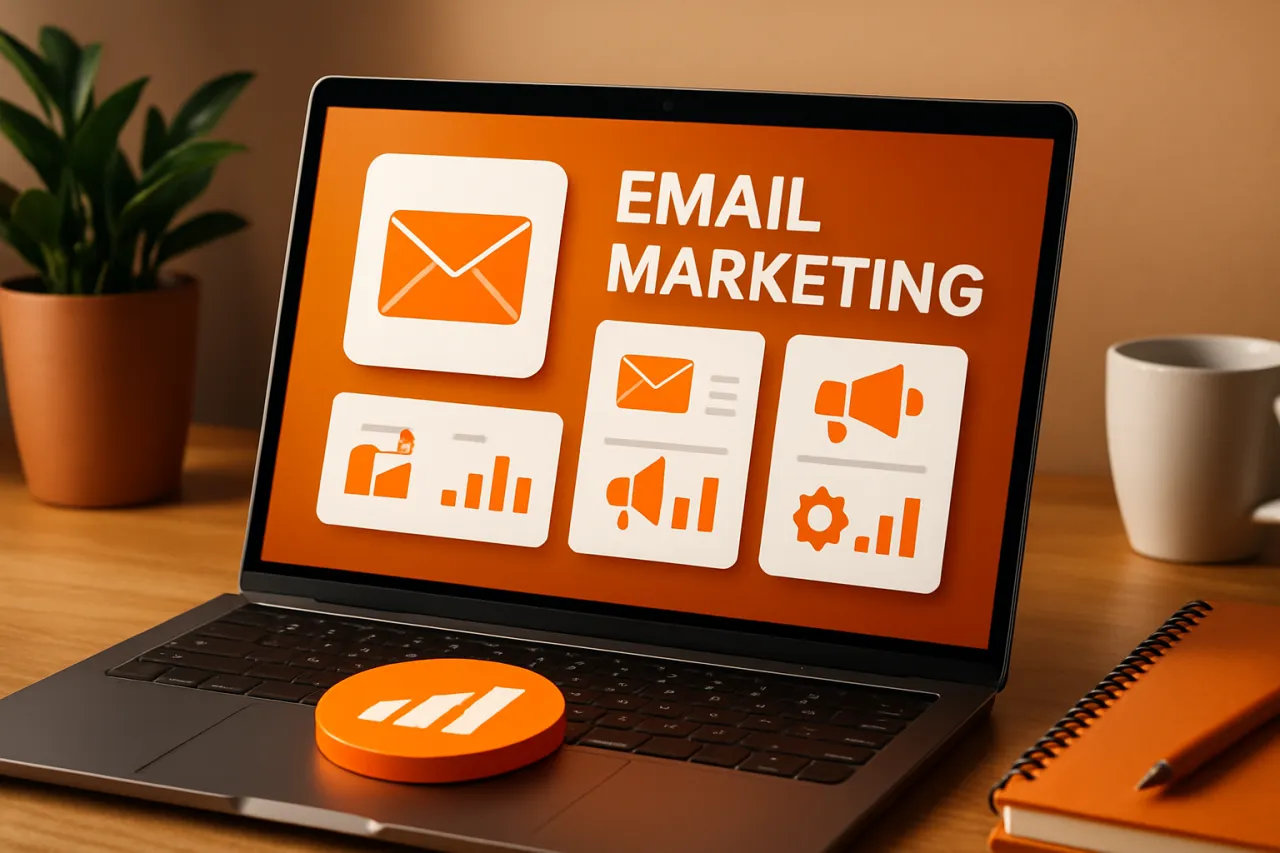
Email marketing remains a robust channel for engagement, and AI-driven platforms can enhance this strategy significantly. Tools such as Mailchimp or Sendinblue utilize machine learning to optimize send times, segment audiences, and personalize content based on user behavior.
Strengths
- Automated segmentation allows for targeted messaging.
- Optimization of send times increases open rates.
- Predictive analytics can forecast customer behavior.
Limitations
- Initial setup may require a learning curve.
- Automation can lead to impersonal communication if not managed properly.
Best for
Businesses looking to maintain regular communication with customers while minimizing manual effort.
Pricing Overview
Prices vary from free tiers with limited features to premium plans starting around $10 per month.
2. Social Media Management Tools
Overview
Platforms like Hootsuite or Buffer integrate AI to analyze engagement metrics and suggest the best times to post content. They also offer features that automatically curate content based on trending topics in the industry.
Strengths
- Streamlines the management of multiple social media accounts.
- Provides insights into audience demographics and engagement.
- Automates content scheduling and posting.
Limitations
- Algorithms may not always align with brand voice.
- Dependence on automation can reduce authenticity in communication.
Best for
Small businesses aiming to enhance their social media presence without extensive resources.
Pricing Overview
Typically ranges from free plans for basic features to paid plans starting at $15 per month.
3. Chatbots for Customer Engagement
Overview
Chatbots, such as those powered by Drift or Intercom, utilize natural language processing to engage customers in real time, answering queries and guiding them through the sales process.
Strengths
- Offers 24/7 customer support without human intervention.
- Can handle multiple inquiries simultaneously.
- Enhances customer satisfaction through immediate responses.
Limitations
- Complex queries may require human intervention.
- Initial programming can be time-consuming.
Best for
Businesses that receive high volumes of inquiries and seek to improve response times.
Pricing Overview
Many chatbot solutions offer free basic versions, with premium features often starting at $50 per month.
4. Analytics and Insights Tools
Overview
Google Analytics and HubSpot leverage AI to provide in-depth insights into website performance and user behavior, allowing businesses to refine their marketing strategies based on real data.
Strengths
- Comprehensive data analysis enables targeted marketing efforts.
- Integrates with various platforms for holistic insights.
- Customizable reporting features for tailored insights.
Limitations
- Requires knowledge of analytics to interpret data effectively.
- Can be overwhelming due to the volume of available data.
Best for
Businesses seeking to understand their customer behavior and improve conversion rates.
Pricing Overview
Google Analytics offers a free version, while HubSpot pricing starts around $45 per month for basic features.
How to Choose the Right Solution
When evaluating AI tools for marketing, consider the following criteria:
- Business Size: Smaller businesses may require tools that are easy to implement and manage.
- Budget: Assess the cost against the potential ROI; many solutions offer tiered pricing.
- Integration: Ensure that the tools can seamlessly integrate with existing systems.
- Scalability: Choose solutions that will grow with your business needs.
- Support and Training: Evaluate the level of customer support and training provided to ensure successful adoption.
Common Mistakes
- Over-Automation: Relying too heavily on automation can lead to a lack of personal touch in customer interactions.
- Neglecting Data Privacy: Failing to comply with data protection regulations can lead to severe repercussions.
- Ignoring Training Needs: Employees need adequate training to effectively utilize new tools.
- Choosing Tools Without a Clear Strategy: It’s essential to have a well-defined strategy for how the tools will be used before implementation.
Frequently Asked Questions
1. How can AI improve my marketing strategy?
AI can automate repetitive tasks, analyze large datasets for insights, and offer personalized customer experiences, enhancing overall effectiveness.
2. Are AI marketing tools suitable for small businesses?
Yes, many AI tools are specifically designed to be user-friendly and affordable for small businesses. They can significantly optimize marketing efforts without requiring extensive resources.
3. What are the risks of using AI in marketing?
Potential risks include data privacy concerns, reliance on automation that may lead to impersonal interactions, and the necessity for adequate training.
4. How can I measure the success of AI tools in my marketing strategy?
Success can be measured through improved engagement metrics, conversion rates, and overall ROI compared to previous marketing efforts.
5. Can I integrate AI tools with my existing marketing platforms?
Most AI marketing tools offer integration capabilities with popular platforms, but it’s essential to check specific compatibility before selection.
Conclusion
The integration of AI into marketing strategies offers transformative potential for small businesses. By leveraging tools that automate processes, analyze data, and enhance customer engagement, businesses can operate more efficiently and effectively. However, it is crucial to approach this integration thoughtfully, avoiding common pitfalls and ensuring that the selected tools align with business goals.
As demonstrated in this case study, the right AI solutions can lead to measurable improvements in marketing outcomes, ultimately supporting growth and sustainability in an increasingly competitive landscape.
About the Author
Tech Journalist
Aqib Naqvi is a tech journalist with 9+ years of experience reviewing and testing E-commerce software. He helps businesses find the right digital tools to scale their operations.