How to Choose the Right CRM for Your Small Business
Introduction
Selecting the right Customer Relationship Management (CRM) system can be a transformative decision for small business owners. With a plethora of options available, understanding how to navigate this landscape is crucial. A CRM can help streamline your sales processes, improve customer interactions, and ultimately drive growth. However, the wrong choice can lead to wasted time, resources, and missed opportunities.
In this article, we will guide you through the essential factors to consider when choosing a CRM tailored for small businesses. We’ll cover common pitfalls, provide a decision-making checklist, and present real user scenarios to illustrate the importance of each feature. By the end, you’ll be equipped with the knowledge necessary to make an informed decision.
What Is CRM?
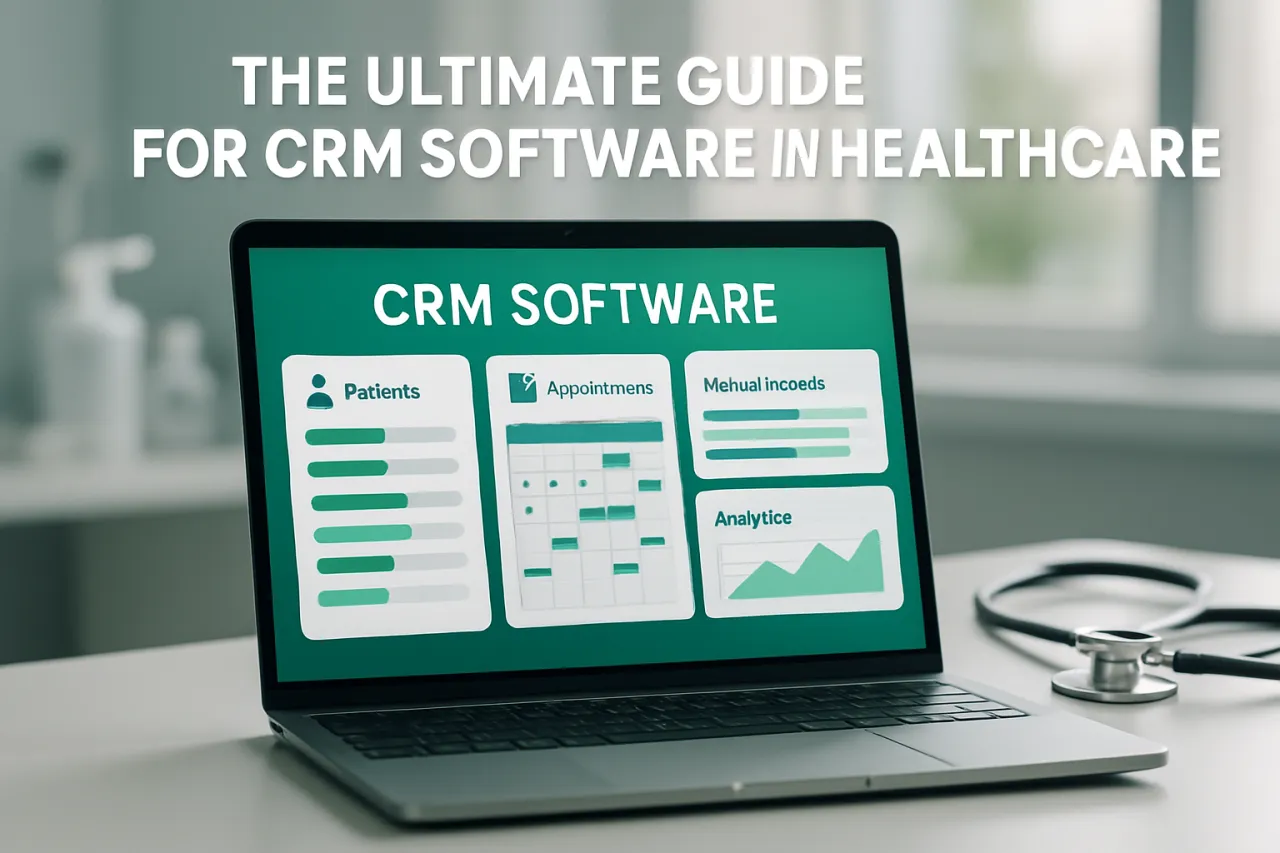
Customer Relationship Management (CRM) refers to a technology used to manage interactions with customers and potential customers. It streamlines processes, enhances customer service, and increases profitability by organizing, automating, and synchronizing sales, marketing, customer service, and technical support.
A CRM system serves as a hub for customer data, allowing businesses to track interactions and analyze customer behavior. This is particularly important for small businesses looking to build strong relationships with their customer base while managing limited resources effectively.
Why It Matters
Understanding the significance of a CRM is vital for small business owners. A well-chosen CRM can lead to improved customer satisfaction, increased sales, and better team collaboration. On the flip side, a poorly selected CRM can hinder business operations and frustrate employees. By making the right choice, you can enhance your business's efficiency and foster a culture of customer-centricity.
Best Software / Methods / Strategies
1. HubSpot CRM
- Overview: HubSpot CRM is a free, user-friendly platform designed specifically for small businesses looking to enhance their sales processes.
- Strengths: Easy to use, integrates with other HubSpot tools, provides excellent marketing automation features.
- Limitations: Advanced features require paid plans; some users may find the interface overly simplistic.
- Best for: Businesses new to CRM systems or those looking for a budget-friendly option.
- Pricing overview: Free with optional paid add-ons for advanced features.
2. Salesforce Essentials
- Overview: Salesforce Essentials is a powerful CRM tailored for small businesses, offering a comprehensive set of tools to manage customer relationships.
- Strengths: Highly customizable, robust analytics, and a vast ecosystem of third-party integrations.
- Limitations: Can be overwhelming for new users; higher price point compared to other options.
- Best for: Businesses needing scalability and extensive customization.
- Pricing overview: Starts at $25 per user/month.
3. Zoho CRM
- Overview: Zoho CRM is a flexible platform that provides a full suite of features at competitive pricing, making it ideal for small businesses.
- Strengths: Cost-effective, strong automation capabilities, and good customer support.
- Limitations: The user interface can be less intuitive compared to competitors; some features may require a learning curve.
- Best for: Small businesses seeking an affordable yet comprehensive CRM solution.
- Pricing overview: Plans start at $14 per user/month.
4. Pipedrive
- Overview: Pipedrive is a sales-focused CRM that emphasizes visual sales pipeline management, ideal for small teams.
- Strengths: User-friendly interface, excellent sales tracking features, and strong mobile app.
- Limitations: Limited features for marketing automation; lacks native email integration.
- Best for: Sales teams looking for a simple, effective pipeline management tool.
- Pricing overview: Starts at $15 per user/month.
How to Choose the Right Solution
When selecting a CRM, consider the following evaluation criteria:
- Functionality: Assess the features that align with your business needs, such as lead tracking, reporting, and integration capabilities.
- Usability: Ensure the CRM is user-friendly and accessible for your team, minimizing the learning curve.
- Cost: Evaluate pricing structures and ensure they fit within your budget, keeping future scalability in mind.
- Support and Training: Look for vendors offering extensive support and training resources.
- Scalability: Choose a CRM that can grow with your business and accommodate additional users or advanced features as needed.
Common Mistakes
- Focusing solely on price: While cost is important, prioritize features and usability to avoid long-term issues.
- Neglecting integration: Ensure the CRM integrates well with your existing tools and workflows to enhance productivity.
- Overcomplicating the selection: Too many features can lead to confusion; choose a CRM that meets your immediate needs first.
- Ignoring user feedback: Test the CRM with your team before committing to ensure it meets their requirements.
Frequently Asked Questions
- What is the best CRM for small businesses? The best CRM varies by need, but HubSpot CRM is often recommended for its ease of use and affordability.
- How much should I spend on a CRM? It depends on your budget and requirements; many CRMs offer tiered pricing options.
- Can I switch CRMs later? Yes, but switching can be time-consuming; choose wisely to minimize disruption.
- What features should I look for in a small business CRM? Look for contact management, sales tracking, reporting, and integration capabilities.
- Is CRM software suitable for freelancers? Yes, many CRMs cater to freelancers, offering essential features at lower pricing tiers.
Conclusion
Choosing the right CRM for your small business is a critical step toward enhancing customer relationships and streamlining operations. By understanding your business needs, comparing various CRM options, and avoiding common pitfalls, you can select a solution that drives growth and efficiency. Remember to consider user scenarios and real-world applications of each feature to make the most informed decision possible. Equip your business with a CRM that not only meets your current needs but can also grow alongside you.
About the Author
Digital Marketing Expert
David White is passionate about helping teams discover the right software. As a digital marketing expert, He specializes in AI Tools solutions and has been featured in multiple tech publications.