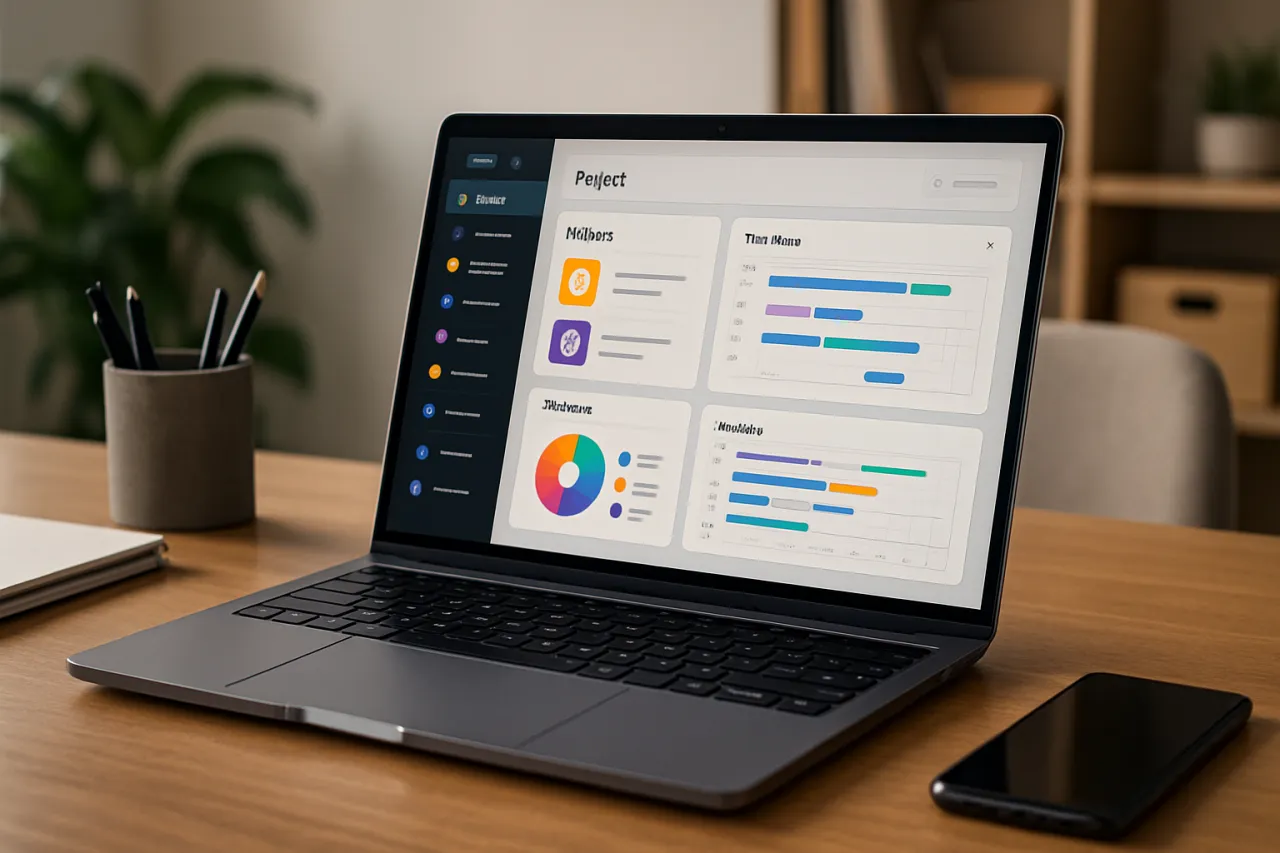


How to Choose Workflow Automation Software for Your Business
Introduction
In an increasingly fast-paced business environment, the ability to streamline processes and enhance operational efficiency has never been more critical. Workflow automation software serves as a cornerstone for businesses aiming to reduce manual tasks, minimize errors, and boost productivity. However, the market is saturated with options, each offering unique features and pricing models. This guide aims to help you navigate these choices and make an informed decision tailored to your specific business needs.
Understanding how to choose the right workflow automation software is essential not only for improving efficiency but also for fostering collaboration among teams and adapting to ever-changing market demands. Throughout this article, we will address common questions regarding the evaluation of features, pricing, and integration challenges, while providing actionable insights into the selection process.
What Is Workflow Automation Software
Workflow automation software refers to tools designed to simplify and automate repetitive business processes. These applications enable organizations to set up workflows that systematically handle tasks, ensuring that each step is executed consistently and efficiently. Typically, they integrate with various platforms, allowing data to flow seamlessly among different systems, thus eliminating the need for human intervention in routine tasks.
Such software can range from simple task management tools to complex systems capable of orchestrating multiple processes across departments. By leveraging workflow automation, businesses can reduce operational costs, enhance accuracy, and free up employee time for more strategic initiatives.
Why It Matters
Choosing the right workflow automation software can significantly impact your business's overall efficiency and productivity. The right tool can help eliminate bottlenecks, reduce operational costs, and improve team collaboration. Conversely, selecting an inadequate solution can lead to wasted resources and frustrated teams. Moreover, as businesses face increasing pressure to adapt quickly to market changes, the ability to automate workflows becomes essential for maintaining a competitive edge.
Best Software / Methods / Strategies
1. Zapier
- Overview: Zapier is a user-friendly automation tool that connects over 2,000 apps, enabling users to automate repetitive tasks without needing technical expertise.
- Strengths: Vast app integrations, easy-to-use interface, customizable workflows.
- Limitations: Limited functionality for highly complex workflows; may require multiple Zaps for intricate processes.
- Best for: Small to medium-sized businesses looking for quick automation solutions.
- Pricing overview: Free tier available; paid plans start at $19.99/month.
2. Integromat (now Make)
- Overview: Integromat, now rebranded as Make, allows users to create intricate automated workflows with an advanced visual builder.
- Strengths: Supports complex scenarios; offers a wide range of integrations.
- Limitations: Steeper learning curve compared to simpler tools; may overwhelm new users.
- Best for: Businesses needing advanced automation capabilities and customization.
- Pricing overview: Free plan available; paid plans start at $9/month.
3. Airtable
- Overview: Airtable combines the features of a database and a spreadsheet to automate workflows and improve team collaboration.
- Strengths: Flexible structure; excellent for project management and collaboration.
- Limitations: May require additional integrations for full automation capabilities.
- Best for: Teams that require a combination of database functionality and automation.
- Pricing overview: Free tier available; paid plans start at $10/user/month.
4. Monday.com
- Overview: Monday.com is a work operating system that allows teams to build custom workflows with a focus on collaboration and project management.
- Strengths: Visual interface; highly customizable; strong project management features.
- Limitations: Can be costly for larger teams; some features may be excessive for smaller businesses.
- Best for: Teams focused on project management with automation capabilities.
- Pricing overview: Plans start at $8/seat/month.
How to Choose the Right Solution
When evaluating workflow automation software, consider the following criteria:
- Define Your Needs: Identify the specific processes you want to automate. Document existing workflows and pinpoint areas for improvement.
- Assess Features: Look for key features such as easy integration with existing tools, scalability, user-friendliness, and customization options.
- Consider Pricing: Compare pricing models based on your budget. Some platforms charge per user, while others may offer fixed pricing for features.
- Evaluate Support and Community: Investigate the level of customer support provided and the availability of user communities that can assist with troubleshooting and best practices.
Common Mistakes
- Choosing Based on Features Alone: While features are essential, consider how they align with your specific business processes.
- Neglecting User Experience: A complex interface can hinder adoption among team members. Prioritize user-friendly solutions.
- Ignoring Integration Capabilities: Ensure the software can seamlessly integrate with your existing systems to avoid data silos.
Frequently Asked Questions
- What is workflow automation software?
Workflow automation software automates repetitive tasks within business processes, enhancing efficiency and reducing manual errors. - How do I know if I need workflow automation?
If your team frequently engages in repetitive tasks or experiences bottlenecks in processes, workflow automation may be beneficial. - Are there free options available?
Yes, many workflow automation tools offer free tiers with limited features that can help you get started. - Can I customize workflows?
Most workflow automation software allows for customization, enabling you to tailor workflows to your specific needs. - What is the typical cost of workflow automation software?
Pricing varies widely based on features and user count, with some tools starting at free and others requiring monthly subscriptions.
Conclusion
Choosing the right workflow automation software is crucial for enhancing your business's efficiency and productivity. By understanding your specific needs, evaluating options based on defined criteria, and avoiding common pitfalls, you can select a solution that not only meets current requirements but also adapts as your business evolves. Remember, the goal is to improve your processes, not complicate them further, so take the time to find the tool that best fits your unique workflow challenges.
About the Author

Engineering Manager
To contribute towards the strategic goals and objectives of an organization, specifically in the IT sector, by utilizing my knowledge in the concerned field.