
Common Mistakes to Avoid with Email Automation
Introduction
Email automation is a game-changer for businesses looking to optimize their marketing efforts. However, many marketers make simple yet impactful mistakes that can hinder their email campaigns' effectiveness. This article is here to guide you through the common pitfalls in email automation, equipping you with practical tips to avoid them.
Understanding the intricacies of email automation is crucial for marketers aiming to maintain engagement, improve conversions, and ultimately drive revenue. As we delve into this topic, you’ll learn about the common mistakes in email automation and actionable strategies to enhance your email marketing initiatives.
What Is Email Automation?
Email automation refers to the use of software to send emails automatically based on specific triggers or user actions. This can include sending welcome emails when someone subscribes, follow-ups after a purchase, or reminders for abandoned carts. By automating these processes, businesses can streamline their communications and deliver timely, relevant content to their audience.
Why It Matters
In today's fast-paced digital environment, personalized communication is essential. Email automation allows marketers to reach their audience with tailored messages at the right time, which can significantly improve customer engagement and retention. However, failing to leverage email automation correctly can lead to missed opportunities and decreased effectiveness of your campaigns.
Best Software / Methods / Strategies
Personalization Strategy
- Overview: Personalization in email automation means customizing messages based on recipient data, such as their name, past purchases, or behavior.
- Strengths: Personalized emails can lead to higher open and click-through rates, enhancing user experience.
- Limitations: Over-personalization can feel intrusive, and data inaccuracies can lead to irrelevant messages.
- Best for: Businesses with a rich database of user information looking to engage customers on a personal level.
- Pricing overview: Many email automation tools offer personalization features at varying price points, from free plans to premium subscriptions.
Segmentation Techniques
- Overview: Segmentation involves dividing your email list into smaller groups based on specific criteria like demographics, purchase history, or engagement levels.
- Strengths: Targeted emails to specific segments can improve relevance and conversion rates.
- Limitations: Too many segments can complicate your strategy and may require more resources to manage effectively.
- Best for: Businesses that have a diverse audience and want to send tailored messages to different customer groups.
- Pricing overview: Advanced segmentation features are generally found in mid-tier to premium email marketing tools.
Performance Monitoring
- Overview: Tracking metrics such as open rates, click rates, and conversions is crucial to understand the effectiveness of your email campaigns.
- Strengths: Monitoring performance helps identify successful strategies and areas needing improvement.
- Limitations: Over-reliance on metrics without context can lead to misguided decisions.
- Best for: Any business looking to refine its email marketing strategy based on actionable insights.
- Pricing overview: Most email automation platforms include performance analytics as part of their service, but advanced features may cost extra.
How to Choose the Right Solution
When selecting an email automation tool, consider the following criteria:
- Ease of Use: The platform should have an intuitive interface.
- Integration Capabilities: Ensure it integrates well with your existing tools and CRM.
- Customization Options: Look for platforms that allow for extensive customization in templates and workflows.
- Support and Resources: Good customer support can be invaluable, especially when you're starting.
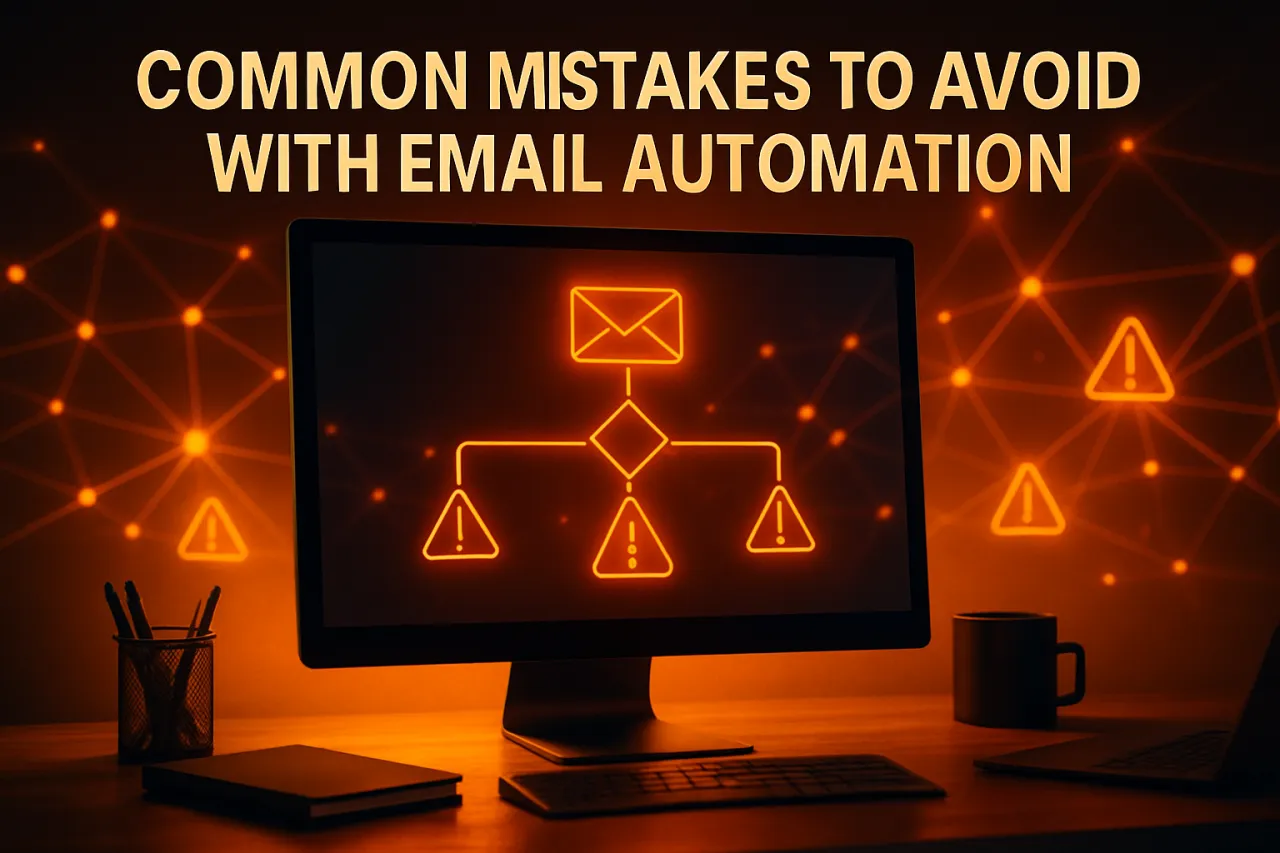
Common Mistakes
- Neglecting Personalization: Failing to personalize emails can lead to poor engagement rates. Always use available data to tailor your messages.
- Ignoring Segmentation: Sending the same message to your entire list can result in high unsubscribes. Segment your audience to send relevant content.
- Not Testing Emails: Skipping A/B testing can mean missing out on insights that could improve your campaigns. Always test subject lines and content.
- Over-Automating: While automation is beneficial, relying too heavily on it can lead to a lack of genuine connection with your audience.
- Inconsistent Monitoring: Failing to track your performance metrics can lead to stagnation. Regularly analyze your email campaigns' performance to make informed adjustments.
Frequently Asked Questions
-
What are the benefits of email automation?
Email automation saves time, improves personalization, and increases engagement by sending timely, relevant messages based on user behavior. -
How can I improve my email open rates?
To improve open rates, focus on creating compelling subject lines, personalizing emails, and sending them at optimal times based on your audience's behavior. -
Is email segmentation necessary?
Yes, segmentation is essential for targeting specific groups within your audience, leading to higher engagement and conversion rates. -
What common mistakes should I avoid in email marketing?
Avoid neglecting personalization, ignoring segmentation, skipping A/B testing, over-automating, and inconsistent performance monitoring. -
How often should I send automated emails?
The frequency depends on your audience and the nature of your content. It's vital to find a balance to avoid overwhelming your subscribers.
Conclusion
Email automation can significantly enhance your marketing strategy when done correctly. By avoiding common mistakes such as neglecting personalization, ignoring segmentation, and not monitoring performance, you can create more effective campaigns. Remember, the key to successful email marketing is to blend automation with a personal touch, tailoring your communications to resonate with your audience. With the right strategies in place, you'll be well on your way to improving your email marketing efforts and driving better results.
About the Author
Tech Blogger
Megan Lewis is passionate about helping teams discover the right software. As a tech blogger, She specializes in Video Editing solutions and has been featured in multiple tech publications.