
Common Mistakes to Avoid in Email Marketing for Nonprofits
Introduction
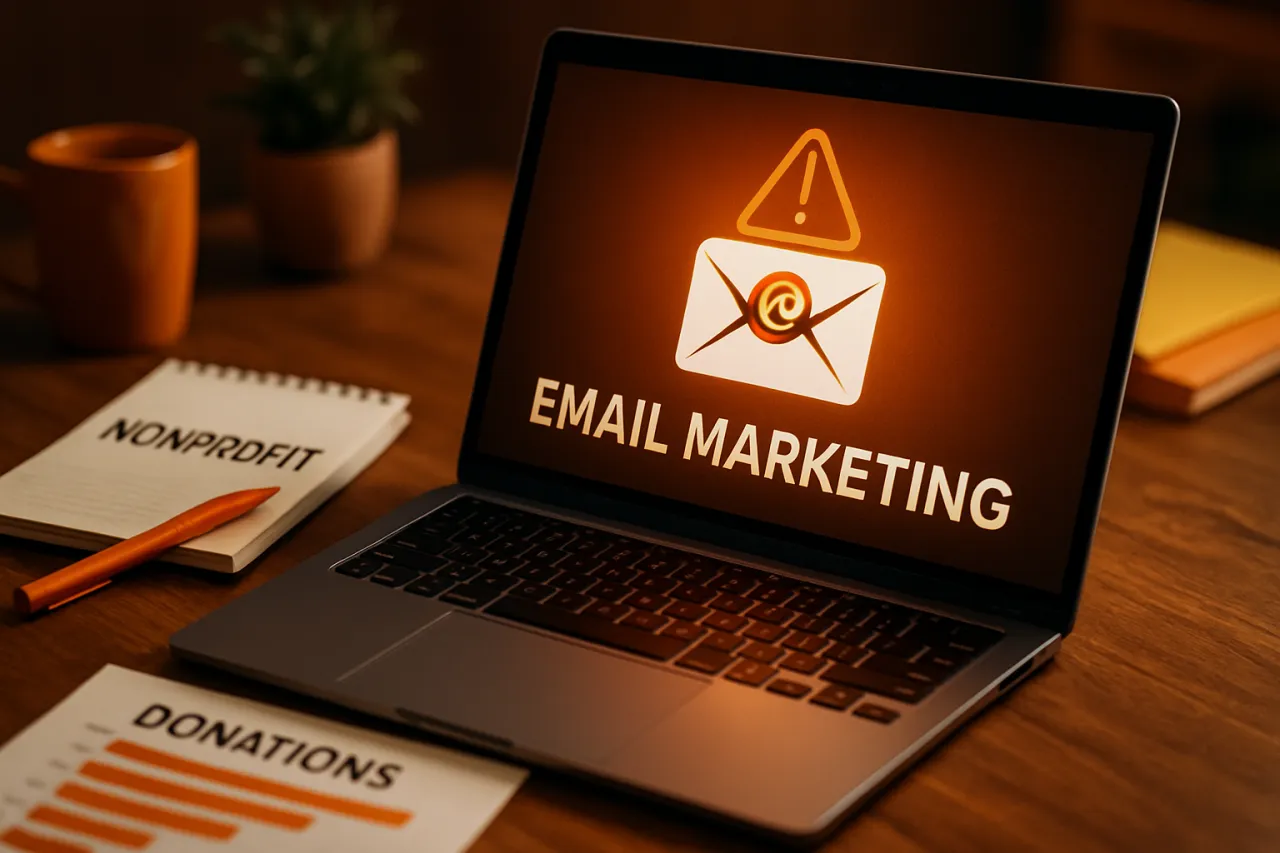
Email marketing can be a powerful tool for nonprofits, yet many organizations fail to harness its potential effectively. From poorly crafted messages to neglecting audience segmentation, these common pitfalls can lead to disengaged donors and wasted resources. In this article, we’ll explore the typical mistakes nonprofits make in their email campaigns and offer actionable strategies to enhance donor engagement.
Understanding these missteps is crucial because a well-executed email marketing campaign can significantly increase your outreach and fundraising efforts. So, whether you're new to email marketing or looking to refine your existing campaigns, this guide will provide the insights you need to succeed.
What Is Email Marketing for Nonprofits
Email marketing refers to the practice of using email to send advertisements, request business, or solicit donations to a group of people. For nonprofits, this can include newsletters, fundraising appeals, event invitations, and donor appreciation messages. The goal is to cultivate relationships with existing and potential donors, keep them informed, and ultimately drive action.
Why It Matters
For nonprofits, effective email marketing can lead to increased donor engagement, improved communication, and enhanced fundraising success. With the right strategies, email can help organizations build a loyal donor base, increase awareness of their cause, and encourage support through donations or volunteering. Given the competitive landscape for charitable funding, avoiding common mistakes in email marketing is essential for any nonprofit.
Best Software / Methods / Strategies
1. Personalization in Email Campaigns
- Overview: Personalizing emails can significantly increase engagement rates. This includes addressing recipients by their names, tailoring messages based on their past interactions, and segmenting your audience.
- Strengths: Personalization helps foster a sense of connection, making donors feel valued and appreciated. It can lead to higher open rates and click-through rates.
- Limitations: Implementing personalization requires data collection and management, which may be challenging for smaller nonprofits.
- Best for: Organizations with a diverse donor base looking to improve engagement.
- Pricing overview: Most email marketing tools offer personalization features, often included in their standard packages.
2. Ignoring Mobile Optimization
- Overview: With a significant portion of emails opened on mobile devices, ensuring your emails are mobile-friendly is crucial.
- Strengths: Mobile-optimized emails enhance user experience, leading to better engagement and higher conversion rates.
- Limitations: Designing for mobile requires additional effort and can complicate the layout of your emails.
- Best for: Nonprofits targeting younger demographics or those in urban areas.
- Pricing overview: Most email marketing services provide templates that are automatically optimized for mobile.
3. Lack of a Clear Call to Action (CTA)
- Overview: Each email should have a specific goal and a clear CTA guiding the recipient on what to do next.
- Strengths: A clear CTA can increase conversion rates by directly informing donors how they can support your cause.
- Limitations: Overloading emails with multiple CTAs can confuse recipients, leading to inaction.
- Best for: Nonprofits running specific campaigns or urgent fundraising appeals.
- Pricing overview: No additional costs; this is more about strategic planning within your content.
4. Sending Irregularly or Too Frequently
- Overview: Finding the right balance in email frequency is key. Too many emails may annoy subscribers, while too few can lead to disengagement.
- Strengths: Regular communication keeps your nonprofit top-of-mind without overwhelming your audience.
- Limitations: Determining the optimal frequency may require testing and adjustments.
- Best for: Organizations with varying campaign schedules, ensuring consistent outreach without spamming.
- Pricing overview: Email marketing platforms offer analytics tools that help determine optimal sending times.
How to Choose the Right Solution
When selecting an email marketing tool, consider the following:
- Ease of use: Ensure the platform is user-friendly, especially for team members who may not be tech-savvy.
- Integration capabilities: Check if the tool can integrate with your existing donor management systems.
- Analytics and reporting: Robust analytics features can help you measure the effectiveness of your campaigns.
- Support and resources: Look for tools that offer customer support and educational resources to help you grow.
Common Mistakes
- Failing to segment your audience, leading to irrelevant messaging.
- Neglecting to test emails before sending, resulting in typos or broken links.
- Not tracking metrics, which can hinder your understanding of what works.
- Sending emails without a clear objective, leading to confusion for the recipient.
Frequently Asked Questions
-
What are the best email marketing tools for nonprofits?
There are several excellent tools, including BlitzBear and various platforms listed in our guide on the Best Email Marketing Tools for Nonprofits. -
How often should nonprofits send emails?
It varies, but a good rule of thumb is to send updates at least monthly to keep donors engaged without overwhelming them. -
Is it important to personalize emails?
Yes, personalization can significantly enhance engagement and make donors feel valued. -
What metrics should nonprofits track in email marketing?
Key metrics include open rates, click-through rates, and conversion rates to gauge campaign effectiveness. -
Can nonprofits use automation in email marketing?
Absolutely! Automation can help save time and ensure timely communication with donors.
Conclusion
Avoiding common email marketing mistakes can substantially improve donor engagement for nonprofits. By personalizing communications, optimizing for mobile, providing clear CTAs, and finding the right balance in frequency, nonprofits can build stronger relationships with their supporters. Remember, the right tools can make these strategies easier to implement. Explore options like Buffer to streamline your efforts and enhance your email campaigns.
About the Author
Digital Tools Expert
Melissa Harris is passionate about helping teams discover the right software. As a digital tools expert, She specializes in Developer Tools solutions and has been featured in multiple tech publication...