Common Mistakes to Avoid When Implementing AIOps Solutions
Introduction
Implementing AIOps (Artificial Intelligence for IT Operations) solutions can revolutionize the way organizations monitor and manage their IT environments. However, many companies encounter a variety of challenges during this process, leading to underwhelming results and wasted resources. Understanding common mistakes in AIOps implementation is crucial for achieving optimal outcomes.
In this article, we will dive into the frequent pitfalls organizations face when deploying AIOps solutions. We aim to provide practical insights that can help IT teams avoid these mistakes, ensuring a smoother transition and more effective integration of AIOps tools. Readers will gain practical guidance based on real-world experiences, enabling better decision-making in their implementations.
What Is AIOps?
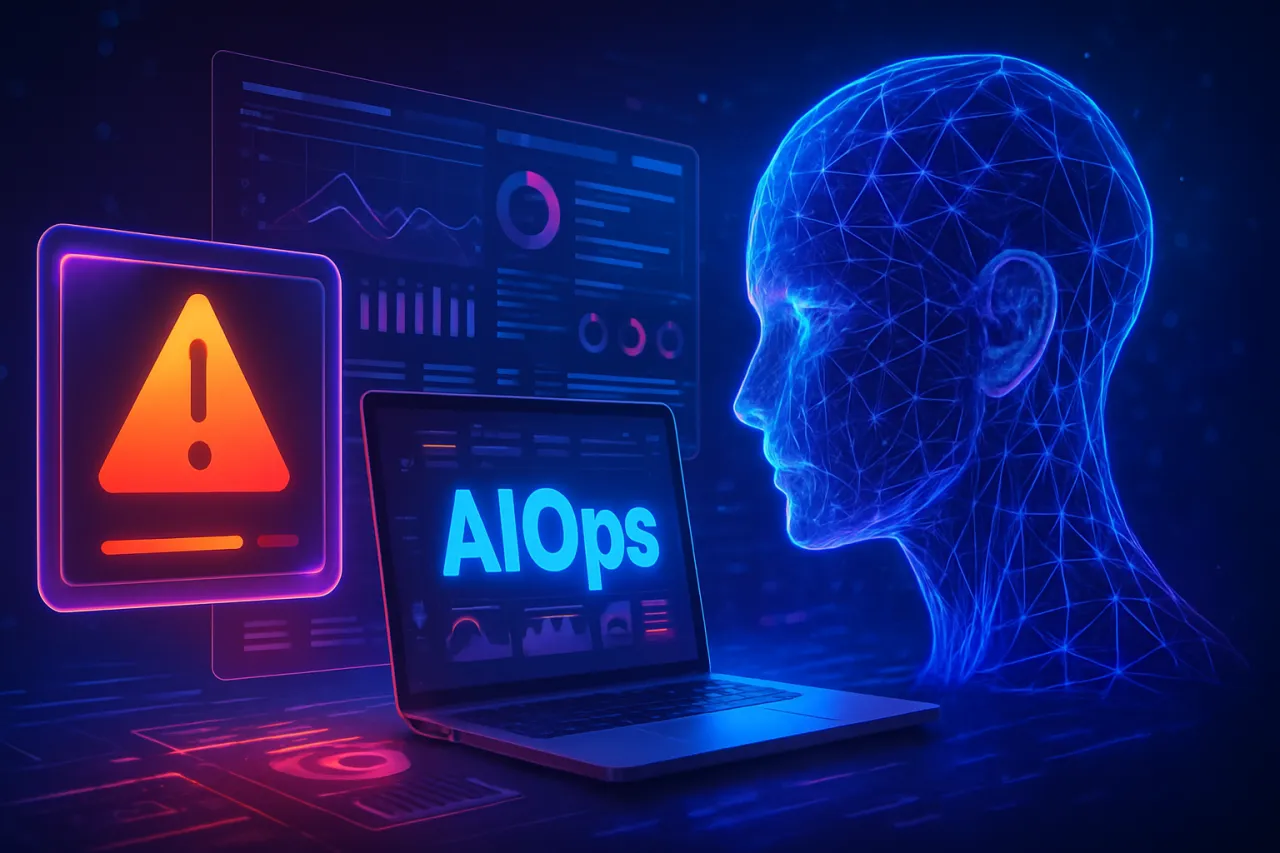
AIOps refers to the use of machine learning and data analytics to automate and enhance IT operations. It combines big data and artificial intelligence to analyze vast amounts of data from various IT systems and tools. The primary objective of AIOps is to improve operational efficiency by providing meaningful insights, reducing downtime, and proactively addressing issues before they impact end users.
Why It Matters
As organizations increasingly rely on complex IT environments, the need for effective monitoring and management has never been greater. AIOps solutions can significantly enhance operational visibility, speed up incident resolution, and reduce the burden on IT teams. However, without a thoughtful implementation strategy, organizations risk failing to realize these benefits, leading to frustration, increased costs, and potential disruptions in service delivery.
Best Software / Methods / Strategies
1. Comprehensive Planning
- Overview: Planning is the first and most critical step in any AIOps implementation. It involves assessing current IT operations, defining goals, and creating a roadmap for integration.
- Strengths: A well-defined plan ensures alignment with business objectives, sets clear expectations, and identifies necessary resources.
- Limitations: Over-planning can lead to stagnation, where teams become bogged down in details without making progress.
- Best for: Organizations new to AIOps or those looking to integrate multiple systems.
- Pricing overview: Costs vary based on consulting services or tools employed for planning.
2. Effective Integration
- Overview: Integrating AIOps with existing IT tools and systems is crucial for maximizing its potential. This involves ensuring compatibility and seamless data flow between platforms.
- Strengths: Proper integration enhances data accuracy and provides a unified view of operations, leading to more informed decision-making.
- Limitations: Poor integration can create silos of information and lead to incomplete insights, negating the benefits of AIOps.
- Best for: Organizations with a diverse set of IT tools looking to create a comprehensive monitoring environment.
- Pricing overview: Integration costs can vary greatly depending on the complexity of existing systems and required customizations.
3. Continuous Monitoring and Adjustment
- Overview: AIOps is not a set-and-forget solution. Continuous monitoring of the AIOps system and adjusting parameters based on performance feedback are essential for sustained success.
- Strengths: Ongoing adjustments ensure the AIOps solution evolves alongside changing business needs and technology landscape.
- Limitations: Failure to monitor can lead to a decline in system effectiveness over time, with outdated models providing less accurate insights.
- Best for: Organizations committed to long-term success with AIOps and willing to invest in ongoing management.
- Pricing overview: Continuous monitoring often requires dedicated personnel or service subscriptions, impacting budget considerations.
How to Choose the Right Solution
When selecting an AIOps solution, organizations should consider several factors:
- Scalability: Ensure the solution can grow with your organization.
- Data Compatibility: Evaluate how well the tool integrates with your existing systems and data sources.
- User Experience: Choose a solution that offers an intuitive interface for ease of use.
- Vendor Support: Look for vendors that provide robust support and training resources.
These criteria will help you identify an AIOps solution that meets both current needs and future demands.
Common Mistakes
- Underestimating the Change Management: Implementing AIOps often requires significant cultural changes within IT teams. Failure to address change management can lead to resistance and poor adoption rates.
- Neglecting Data Quality: AIOps relies heavily on data. Poor data quality will lead to inaccurate insights and hinder performance.
- Ignoring Stakeholder Input: Engaging stakeholders early in the implementation process can provide valuable insights and enhance buy-in.
Frequently Asked Questions
-
What are AIOps solutions?
AIOps solutions leverage artificial intelligence to enhance IT operations by analyzing data from various sources to improve monitoring and management. -
Why is planning important for AIOps implementation?
Comprehensive planning aligns AIOps initiatives with business goals and ensures resource allocation for successful integration. -
What are the key components of an AIOps strategy?
Key components include data integration, real-time monitoring, and continuous adjustment based on performance metrics. -
How can I ensure my AIOps solution is scalable?
Choose a vendor known for flexibility and compatibility with future technologies, and assess their roadmap for growth. -
What should organizations avoid when implementing AIOps?
Organizations should avoid underestimating change management, neglecting data quality, and ignoring stakeholder engagement throughout the process.
Conclusion
Implementing AIOps solutions offers significant potential benefits for IT operations, but it is not without its challenges. By understanding and avoiding common mistakes, organizations can enhance their chances of a successful implementation. Careful planning, effective integration, and ongoing management will lead to a more efficient IT environment, ensuring that AIOps delivers on its promise of improved monitoring and operational excellence. Always prioritize stakeholder engagement and data quality to maximize the benefits of AIOps in your organization.
About the Author

Development Lead | Software Reviewer
I'm a software reviewer and web application developer specializing in cybersecurity tools, software comparisons, and buying guides. He is passionate about making technology accessible and helping user...