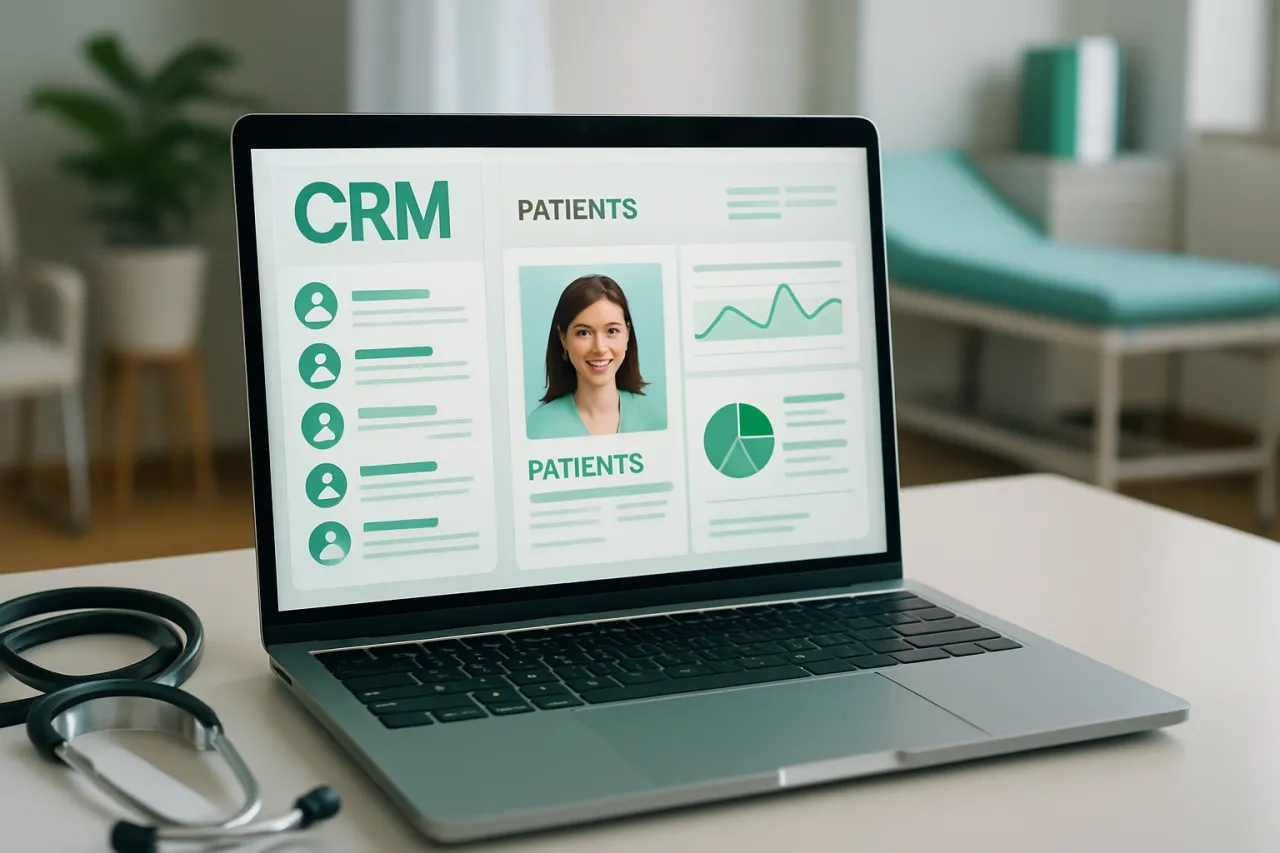
Top CRM Tools for Healthcare Providers: Enhance Patient Management
Introduction
In the fast-paced healthcare industry, effective patient management is crucial for delivering quality care. With increasing patient expectations and regulatory requirements, healthcare providers are turning to Customer Relationship Management (CRM) tools to streamline operations and enhance communication. This article explores the best CRM tools tailored specifically for healthcare providers, addressing their unique challenges and presenting solutions that improve efficiency and patient satisfaction.
Understanding the various features and functionalities of CRM tools can help healthcare organizations make informed decisions that resonate with their specific needs. Readers will learn about top CRM options, user reviews, and essential features that enhance patient management and facilitate smoother communication between providers and patients.
What Is CRM?
Customer Relationship Management (CRM) refers to technologies and strategies that organizations use to manage interactions with customers or clients. In the context of healthcare, CRM tools help providers manage patient data, track interactions, and streamline processes to improve patient engagement and satisfaction. This can include managing appointments, billing, follow-ups, and communication, all while ensuring compliance with healthcare regulations.
Why It Matters
The importance of CRM tools in healthcare cannot be overstated. These tools not only enhance patient management but also help organizations adapt to the evolving landscape of healthcare delivery. By implementing a robust CRM solution, healthcare providers can improve patient engagement, reduce administrative burdens, and foster better collaboration among healthcare teams. In an environment where patient loyalty and satisfaction are paramount, effective CRM solutions can make a significant difference.
Best Software / Methods / Strategies
1. Salesforce Health Cloud
Overview
Salesforce Health Cloud is a comprehensive CRM solution designed for healthcare organizations. It provides tools for managing patient relationships, streamlining workflows, and integrating with other healthcare systems.
Strengths
- Customizable platform that adapts to various healthcare needs
- Robust data analytics features for improved decision-making
- Integration capabilities with various EHR systems
Limitations
- Can be expensive for smaller practices
- Requires training for optimal usage
Best for
Large healthcare organizations with complex needs.
Pricing overview
Pricing is available upon request and typically varies based on customization and add-ons.
2. HubSpot CRM
Overview
HubSpot CRM is a user-friendly platform that provides essential tools for patient management and communication, making it suitable for healthcare providers.
Strengths
- Free version available with basic CRM functionalities
- Easy to use with a visually appealing interface
- Excellent integration with marketing tools
Limitations
- Limited features in the free version
- Not specifically designed for healthcare, requiring some customization
Best for
Small to medium-sized healthcare practices looking for an affordable solution.
Pricing overview
Free for basic features; paid plans start at $45/month.
3. Zoho CRM
Overview
Zoho CRM offers a comprehensive suite of tools designed to enhance patient engagement and streamline operations in healthcare settings.
Strengths
- Highly customizable with a range of features
- Affordable pricing for small practices
- Automation capabilities to reduce manual tasks
Limitations
- May have a steeper learning curve compared to simpler CRMs
- Limited functionality in integrations compared to larger competitors
Best for
Small to medium-sized practices that require customization at an affordable price.
Pricing overview
Plans start at $14/user/month.
4. Kareo
Overview
Kareo is a cloud-based platform specifically designed for independent practices, offering integrated patient management and billing solutions.
Strengths
- All-in-one solution with EHR integration
- User-friendly interface tailored for healthcare
- Strong billing and claims management features
Limitations
- Limited customization options
- Pricing can be high for smaller practices
Best for
Independent practices seeking a comprehensive solution for patient management and billing.
Pricing overview
Pricing starts at $80/month per provider.
How to Choose the Right Solution
When selecting a CRM tool for healthcare, consider the following criteria:
- Customization: The ability to tailor the system to your specific needs.
- Integration: Compatibility with existing healthcare systems and applications.
- User Experience: Ease of use for both staff and patients.
- Support and Training: Availability of customer support and training resources.
- Cost: Ensure that the pricing aligns with your budget and expected return on investment.
Common Mistakes
Healthcare providers often make several common mistakes when implementing CRM systems:
- Failing to involve staff in the selection process, leading to resistance to change.
- Underestimating the training required for effective use.
- Skipping the integration with existing systems, resulting in data silos.
Frequently Asked Questions
1. What is the primary purpose of CRM tools in healthcare?
CRM tools in healthcare primarily aim to enhance patient management and improve communication between providers and patients.
2. Are CRM tools necessary for small healthcare practices?
While not always necessary, CRM tools can help small practices streamline operations and improve patient engagement.
3. How much do CRM tools typically cost?
Costs vary widely, with some tools offering free tiers and others charging based on usage or features.
4. Can CRM tools integrate with EHR systems?
Many CRM tools offer integration options with popular Electronic Health Record (EHR) systems to streamline workflows.
5. What features should I look for in a healthcare CRM?
Look for features such as appointment scheduling, patient communication, billing, and reporting capabilities.
Conclusion
Choosing the right CRM tool is critical for healthcare providers aiming to enhance patient management and communication. By understanding the unique features and capabilities of various CRM systems, healthcare organizations can make informed decisions that align with their operational goals. Whether you are a large healthcare provider or a small practice, investing in the right CRM tool can lead to improved patient satisfaction, streamlined processes, and ultimately better healthcare delivery.
About the Author
Software Reviewer
A seasoned software reviewer, Hassan Baig focuses on making tech accessible to everyday users. He covers Cybersecurity tools, comparisons, and buying guides on Softedin.