

Effective Techniques for Managing Remote Teams with Software Solutions
Introduction
As remote work becomes increasingly prevalent, managing teams effectively across distances poses unique challenges. The shift towards virtual collaboration necessitates adopting software solutions designed to enhance productivity, communication, and engagement among team members. This article will explore effective techniques for managing remote teams using the right software tools, addressing common obstacles, and providing strategies to overcome them.
The rise of remote work has revolutionized how businesses operate, offering flexibility and access to a broader talent pool. However, it also introduces complexities in team dynamics, communication, and project management. Understanding how to leverage software solutions can empower leaders and their teams to thrive in this environment. We will delve into various software options, best practices, and real-world success stories.
What Is Remote Team Management?
Remote team management refers to the strategies and practices employed by leaders to oversee a team that operates from different locations. Unlike traditional management, which often relies on in-person interactions, remote team management focuses on fostering collaboration through technology. This includes coordinating tasks, setting goals, and maintaining communication to ensure team members remain aligned and productive.
In an era where digital communication is the norm, effective remote team management is crucial for ensuring projects are delivered on time and that team members feel connected and supported.
Why It Matters
Effective management of remote teams is vital for several reasons:
- Increased Productivity: Proper management techniques and the right software can enhance productivity by streamlining workflows.
- Employee Engagement: Engaged employees are more likely to contribute positively to the team's goals, leading to better outcomes.
- Talent Retention: Companies that manage remote teams effectively are more likely to retain top talent by fostering a positive and collaborative work environment.
- Scalability: As businesses grow, effective remote management enables teams to scale operations without the constraints of physical office spaces.
Best Software / Methods / Strategies
1. Communication Tools
Overview
Effective communication is the backbone of remote team management. Software solutions like Slack and Microsoft Teams facilitate real-time communication and collaboration.
Strengths
- Instant messaging capabilities
- Integration with other tools
- File sharing and collaboration features
Limitations
- Can lead to information overload
- Requires internet connectivity
Best for
- Teams requiring constant communication and collaboration.
Pricing overview
- Slack offers a free tier with paid plans starting at $6.67/user/month. Microsoft Teams is included with Office 365 subscriptions.
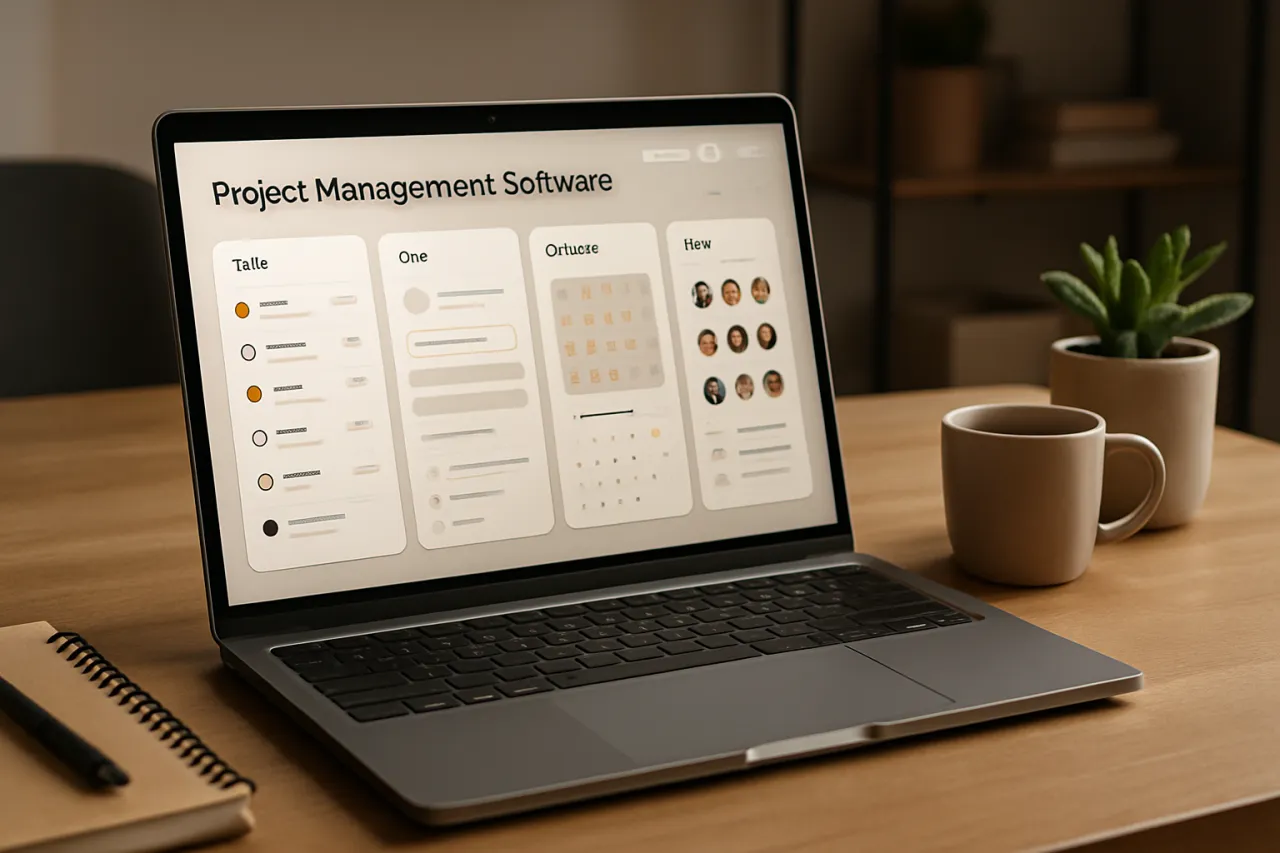
2. Project Management Tools
Overview
Tools like Trello and Asana help teams plan, track, and manage projects efficiently.
Strengths
- Visual project management using boards and lists
- Task assignment and deadline tracking
Limitations
- Can become complex with large projects
- Some features may be underutilized
Best for
- Teams needing a clear overview of project timelines and responsibilities.
Pricing overview
- Trello offers free and paid plans starting at $10/user/month. Asana has a free version with premium plans beginning at $10.99/user/month.
3. Time Management Software
Overview
Tools like Clockify and Toggl assist teams in tracking how time is spent on various tasks.
Strengths
- Detailed insights into time allocation
- Helps identify productivity bottlenecks
Limitations
- Requires consistent use to gather accurate data
- May feel intrusive to some team members
Best for
- Teams that need to monitor productivity closely.
Pricing overview
- Clockify offers a free version with premium features starting at $3/user/month. Toggl also has a free tier, with paid plans beginning at $10/user/month.
4. Automation Tools
Overview
Automation software like Microsoft Power Automate can streamline repetitive tasks, allowing teams to focus on more strategic work.
Strengths
- Reduces manual effort and errors
- Integrates with various applications
Limitations
- Initial setup may require time and resources
- Complexity in creating automations
Best for
- Teams looking to increase efficiency by automating routine tasks.
Pricing overview
- Microsoft Power Automate offers a free tier, with premium plans starting at $15/user/month.
How to Choose the Right Solution
When selecting software for remote team management, consider the following criteria:
- Usability: The tool should be user-friendly and intuitive to facilitate quick adoption.
- Integration: Ensure the software integrates well with existing tools to streamline workflows.
- Scalability: Choose solutions that can grow with your team’s needs.
- Support: Reliable customer support can significantly impact your team's experience with the software.
Common Mistakes
- Neglecting Communication: Failing to establish clear communication protocols can lead to misunderstandings and decreased productivity.
- Overcomplicating Processes: Using too many tools can overwhelm team members; stick to essential software to avoid confusion.
- Ignoring Team Feedback: Not soliciting input from team members regarding tool effectiveness can hinder productivity.
Frequently Asked Questions
-
What is the best software for managing remote teams?
The best software varies by team needs, but tools like Slack, Trello, and Asana are commonly recommended. -
How can I improve remote team communication?
Utilize dedicated communication tools, set regular check-ins, and encourage open dialogue among team members. -
What are the challenges of remote team management?
Common challenges include maintaining effective communication, ensuring productivity, and fostering team engagement. -
How do I measure productivity in a remote team?
Use time-tracking tools and project management software to monitor task completion and time allocation. -
What strategies can enhance remote team collaboration?
Regular meetings, collaborative tools, and team-building activities can improve collaboration among remote team members.
Conclusion
Managing remote teams effectively requires a strategic approach that leverages the right software solutions. By focusing on communication, project management, time tracking, and automation, teams can overcome common challenges and enhance productivity. Remember to consider your team's specific needs when selecting tools and encourage open communication to foster a positive remote work environment. Embrace the flexibility of remote work while ensuring that your team remains connected and engaged.
About the Author
Software Analyst
A seasoned software analyst, Adnan Bhatti focuses on making tech accessible to everyday users. He covers CRM tools, comparisons, and buying guides on Softedin.