
Essential Project Management Tools for Remote Teams
Introduction
In today's rapidly changing work environment, remote teams are becoming more prevalent, necessitating effective project management tools to facilitate collaboration and productivity. As businesses adapt to this new normal, the right software becomes essential not only for tracking tasks but also for ensuring that team members stay connected and engaged. This article explores various project management tools that are particularly beneficial for remote teams, addressing their features, integrations, and best practices.
Understanding the myriad of options available can be overwhelming. This guide aims to clarify your choices by detailing the strengths and limitations of each tool, along with user feedback, helping you make an informed decision. Whether you are managing a small startup or a large organization, the right project management tool can significantly enhance your team's workflow.
What Is Project Management Software?
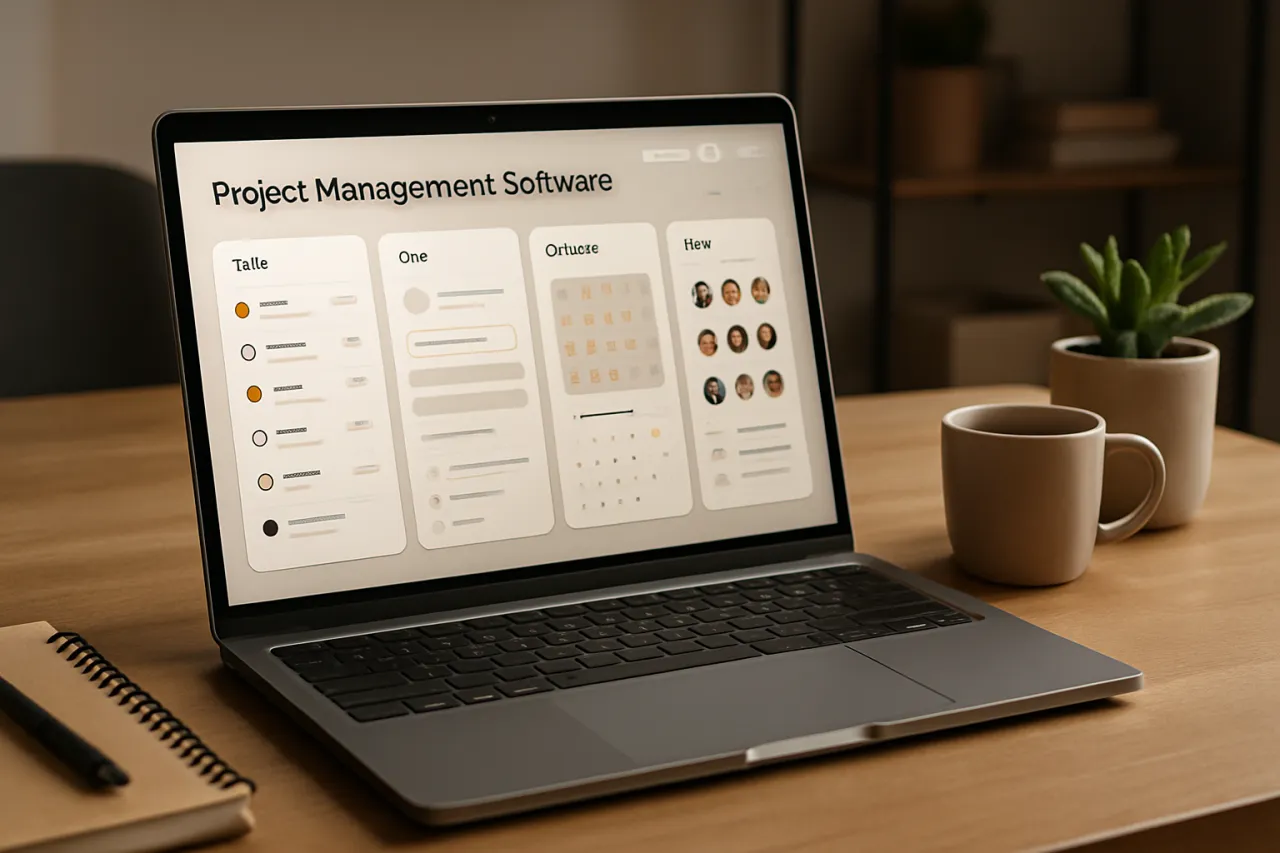
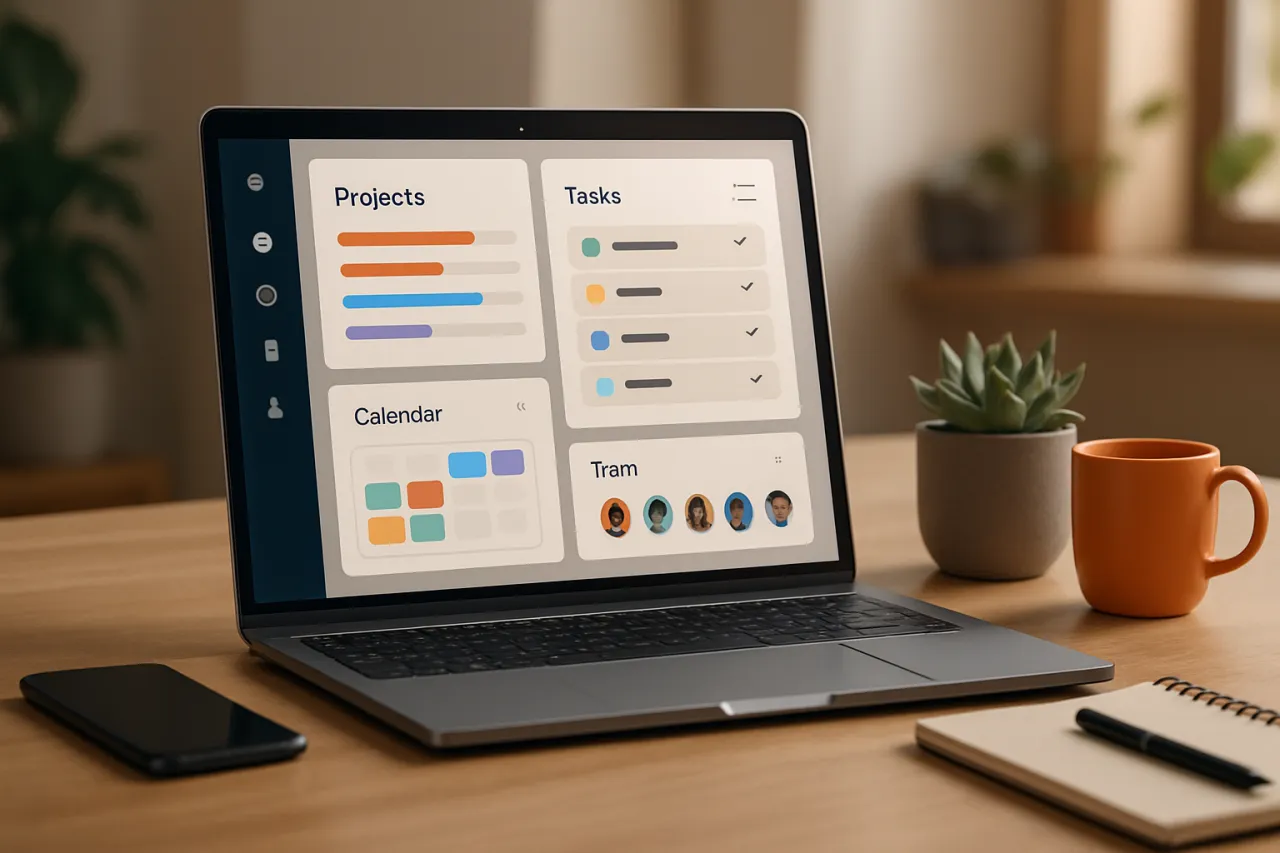
Project management software is a tool designed to assist teams in planning, executing, and monitoring projects. It enables teams to organize tasks, assign responsibilities, set deadlines, and track progress. Given the rise of remote work, many of these tools now offer features specifically tailored for virtual collaboration, such as real-time updates, document sharing, and integrated communication channels.
Why It Matters
The effectiveness of remote teams hinges on clear communication and organized task management. Without proper tools, projects can quickly become chaotic, leading to missed deadlines and decreased productivity. Project management tools not only streamline workflows but also foster a sense of accountability among team members. As remote work continues to dominate many industries, investing in reliable project management software is crucial for success.
Best Software / Methods / Strategies
Trello
- Overview: Trello is a visual project management tool that uses boards, lists, and cards to help teams organize tasks. Its intuitive drag-and-drop interface makes it easy to use.
- Strengths: Trello’s flexibility and visual approach allow for easy tracking of project stages. It integrates well with various other tools, such as Slack and Google Drive.
- Limitations: Trello can become unwieldy with larger projects or teams due to its simplistic structure.
- Best for: Small to medium-sized teams looking for a straightforward, visual management solution.
- Pricing overview: Offers a free version with basic features, with premium plans starting at $10 per month per user.
Asana
- Overview: Asana provides a more structured approach to task management, allowing teams to create projects, assign tasks, and set deadlines with clarity.
- Strengths: Its robust reporting tools and customizable dashboards make it ideal for tracking progress and productivity.
- Limitations: Some users may find the extensive features overwhelming at first, requiring a learning curve.
- Best for: Teams that need a comprehensive project management tool with advanced tracking capabilities.
- Pricing overview: Free for basic use, with premium plans starting at $10.99 per user per month.
Monday.com
- Overview: Monday.com is a highly visual and customizable project management tool that provides a centralized platform for team collaboration.
- Strengths: Its flexibility allows users to tailor workflows to their specific needs, and it offers a variety of templates to jumpstart projects.
- Limitations: The abundance of features can be daunting, and some teams may find the pricing structure to be on the higher side.
- Best for: Larger teams or organizations that require a high level of customization.
- Pricing overview: Plans start at $8 per user per month, with additional costs for more advanced features.
ClickUp
- Overview: ClickUp is an all-in-one project management platform that combines tasks, docs, goals, and chat in one place.
- Strengths: Its extensive features cater to diverse project management needs, from documentation to goal tracking.
- Limitations: The interface can be complex, and users may experience information overload without proper organization.
- Best for: Teams that seek an integrated solution with multiple functionalities in one platform.
- Pricing overview: Free version available, with paid plans starting at $5 per user per month.
How to Choose the Right Solution
When selecting a project management tool for remote teams, consider the following criteria:
- Ease of Use: Look for a tool that your team can adopt quickly without extensive training.
- Integration Capabilities: Ensure the software can integrate with other tools your team uses, such as communication platforms and file storage.
- Scalability: Choose a solution that can grow with your team and adapt to changing project needs.
- Support and Resources: Reliable customer support and available resources such as tutorials can ease the onboarding process.
Common Mistakes
Avoid these pitfalls when implementing project management tools:
- Neglecting Training: Ensure all team members understand how to use the software effectively.
- Overcomplicating Processes: Keep workflows simple to avoid confusion and overwhelm.
- Ignoring Feedback: Regularly solicit input from team members to understand the tool's effectiveness and make necessary adjustments.
Frequently Asked Questions
1. What are project management tools?
Project management tools are software applications designed to help teams plan, execute, and monitor projects effectively.
2. How do project management tools benefit remote teams?
They enhance communication, streamline workflows, and ensure accountability among team members, which is critical for remote work.
3. Are there free project management tools available?
Yes, many project management tools offer free versions with basic features, such as Trello and ClickUp.
4. Can project management tools integrate with other software?
Most modern project management tools offer integrations with popular applications like Slack, Google Drive, and more.
5. How do I choose the best project management tool for my team?
Consider factors such as ease of use, integration capabilities, scalability, and available support resources.
Conclusion
Choosing the right project management tool for remote teams is essential for maintaining productivity and ensuring successful project completion. Evaluate your team’s needs and preferences to find a solution that balances functionality and usability. By doing so, you can facilitate better collaboration and drive your projects to success.
About the Author
Software Reviewer
A seasoned software reviewer, Sahar Khattak focuses on making tech accessible to everyday users. She covers Email Marketing tools, comparisons, and buying guides on Softedin.