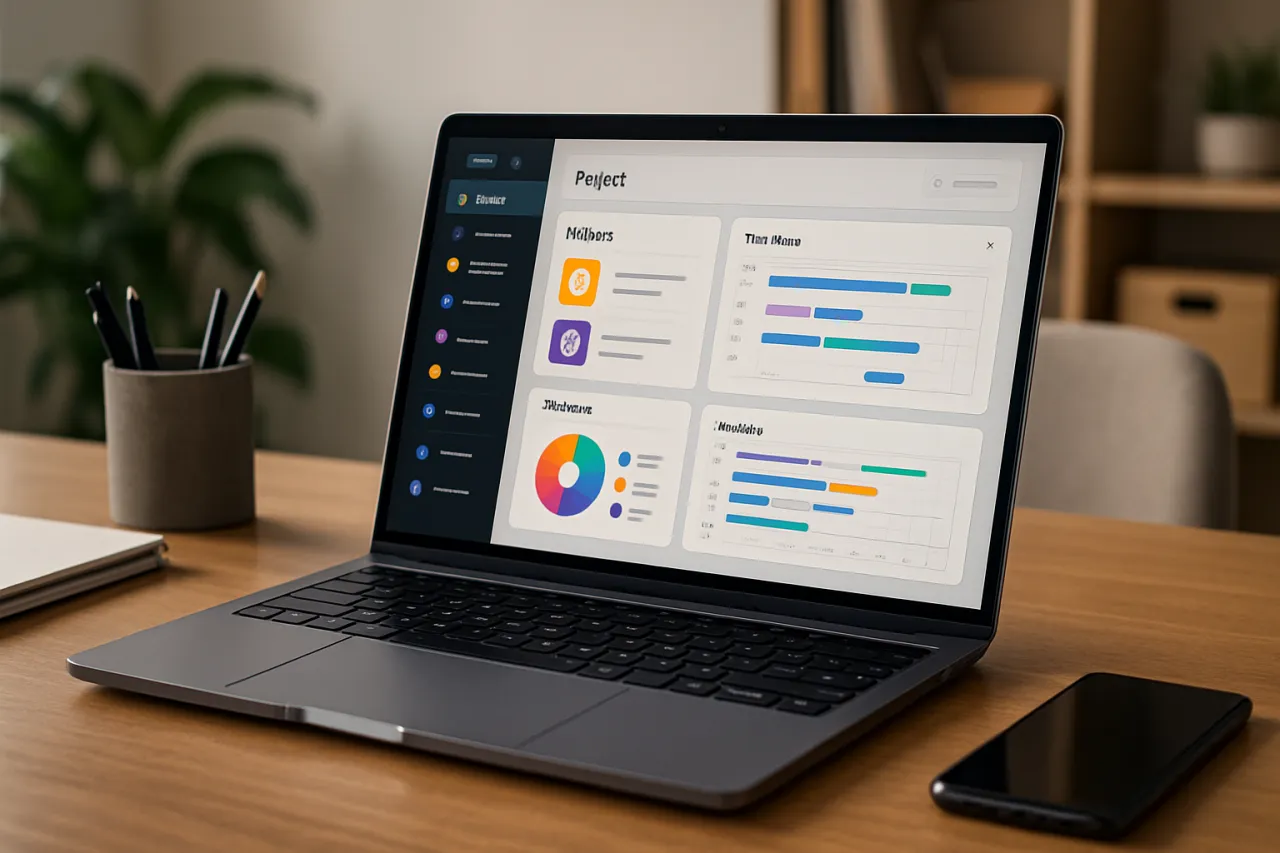
Essential Tools for Managing Remote Teams Effectively
Introduction
In today's digital landscape, managing remote teams has become the norm rather than the exception. Organizations across various sectors are recognizing the need for effective remote team management strategies that foster collaboration and productivity. With the right set of tools, teams can communicate seamlessly, track projects efficiently, and maintain high levels of engagement, no matter where team members are located.
The challenge, however, lies in choosing the right tools that fit your team's specific needs. As remote work continues to evolve, understanding which tools can enhance workflow and communication is crucial. This article will provide a curated list of essential tools, alongside actionable insights, to help organizations navigate the complexities of remote team management.
What Is Remote Team Management?
Remote team management refers to the processes and practices involved in overseeing a team that operates from various locations, often relying on digital communication platforms. This approach enables organizations to tap into a global talent pool, but it also brings challenges such as maintaining team cohesion, ensuring productivity, and facilitating effective communication.
Why It Matters
Effective remote team management is critical for a number of reasons. Firstly, it can lead to improved productivity, as team members can work during their most productive hours without the constraints of traditional office settings. Secondly, it helps in building a strong team culture despite physical distances, which can enhance job satisfaction and retention. Finally, in an increasingly competitive job market, the ability to manage remote teams effectively can be a significant advantage.
Best Software / Methods / Strategies
Communication Tools
Overview
Communication is at the heart of effective remote team management. Tools designed for communication help teams stay connected and engaged, ensuring that everyone is on the same page.
Strengths
- Facilitates real-time communication
- Supports video calls, chats, and file sharing
- Enables quick feedback loops
Limitations
- Can lead to information overload if not managed properly
- Relies on internet connectivity
Best for
Teams requiring constant collaboration and quick decision-making.
Pricing overview
Popular tools like Slack and Microsoft Teams offer free versions with limited features, while premium plans can range from $6 to $20 per user per month.
Project Management Tools
Overview
Project management tools are essential for tracking progress, assigning tasks, and ensuring that deadlines are met. They help in visualizing project timelines and workloads.
Strengths
- Provides a clear overview of project status
- Enhances accountability among team members
- Supports integration with other tools
Limitations
- Learning curve for new users
- May require additional resources for larger projects
Best for
Teams managing complex projects with multiple tasks and deadlines.
Pricing overview
Tools like Trello and Asana offer free options, with premium plans typically ranging from $10 to $30 per user per month.
Collaboration Tools
Overview
Collaboration tools enhance teamwork by allowing team members to work on documents and projects simultaneously, regardless of their physical location.
Strengths
- Supports real-time collaboration
- Easy sharing of documents and feedback integration
- Often includes version control
Limitations
- Can become chaotic with too many collaborators
- Dependence on a stable internet connection
Best for
Teams that work on shared documents or projects that require inputs from multiple members.
Pricing overview
Tools like Google Workspace and Notion offer free tiers, with paid plans starting around $6 to $25 per user per month.
Time Management Tools
Overview
Time management tools help monitor productivity and manage work hours effectively, ensuring that team members are focused and not overwhelmed.
Strengths
- Helps in tracking billable hours for client projects
- Provides insights into productivity patterns
- Can improve personal accountability
Limitations
- May be seen as intrusive by some team members
- Requires consistent use to be effective
Best for
Teams needing to optimize their time and track project hours.
Pricing overview
Tools like Toggl and Clockify provide free versions, with paid plans starting from $9 to $20 per user per month.
How to Choose the Right Solution
Selecting the right tools for remote team management involves several key considerations:
- Team Size and Structure: Consider how many people will use the tool and their specific roles.
- Specific Needs: Identify what problems you are trying to solve. Is it communication, project tracking, or collaboration?
- Integration Capabilities: Choose tools that can integrate with existing systems to streamline processes.
- User Experience: Opt for tools that are user-friendly and require minimal training.
- Cost: Evaluate your budget and the potential return on investment for each tool.
Common Mistakes
- Overloading on Tools: Using too many tools can overwhelm team members and lead to confusion. Focus on a few essential tools that meet your needs.
- Neglecting Team Feedback: Ignoring team input when choosing tools can lead to low adoption rates. Involve your team in the selection process.
- Failing to Set Guidelines: Without clear guidelines on tool usage, teams may struggle to maintain consistent communication and project tracking.
Frequently Asked Questions
1. What are the best tools for remote team communication?
Tools like Slack and Microsoft Teams are widely used for their comprehensive communication features.
2. How can project management tools improve team productivity?
They provide clarity on tasks, deadlines, and responsibilities, helping teams stay organized and on track.
3. Are free tools effective for remote team management?
Yes, many free tools offer basic features that can be sufficient for small teams or projects.
4. How do I ensure my remote team stays engaged?
Regular check-ins, team-building activities, and using engagement tools can help maintain morale.
5. What is the importance of time management tools for remote teams?
They help track productivity and ensure that team members are managing their schedules effectively, preventing burnout.
Conclusion
Managing remote teams effectively requires a thoughtful approach to selecting the right tools. By understanding the strengths and limitations of various communication, project management, collaboration, and time management tools, organizations can enhance productivity and engagement among their remote workforce. Remember to involve your team in the selection process and avoid common pitfalls to ensure a smooth transition into effective remote team management.
About the Author
Product Manager
Daniyal Hashmi is a product manager with 9+ years of experience reviewing and testing Project Management software. He helps businesses find the right digital tools to scale their operations.