
The Future of AI Tools in Education: Enhancing Learning Experiences
Introduction
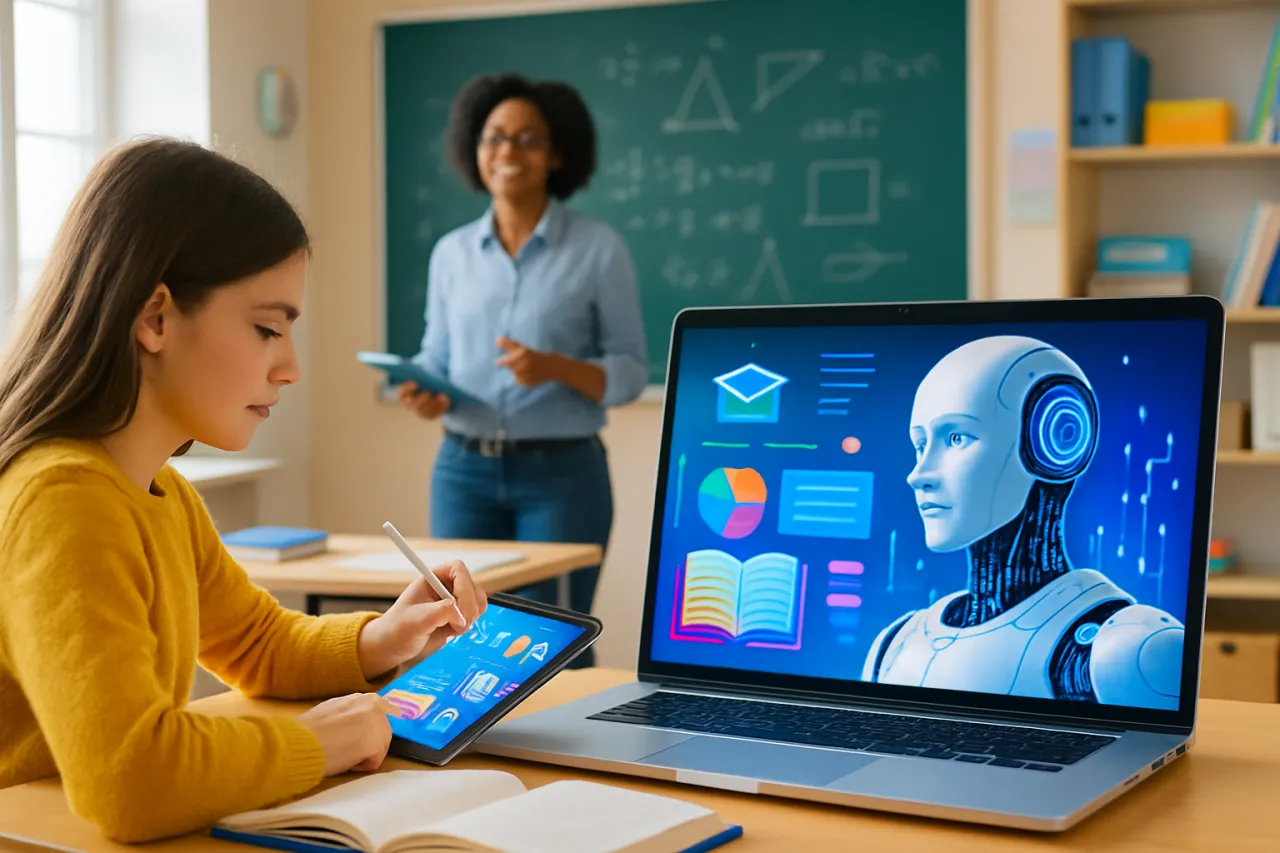
As technology continues to evolve rapidly, the integration of AI tools in education is reshaping how students learn and interact with information. These tools are designed to enhance learning experiences by personalizing education, providing instant feedback, and facilitating collaboration among peers. With the increasing demand for innovative learning solutions, understanding the current and future impact of AI tools in education is crucial for educators, administrators, and policymakers.
This article delves into the various AI tools available for education, their benefits and challenges, and showcases successful implementations in classrooms. Readers can expect expert insights, case studies, and predictions regarding AI's role in the future of learning.
What Is AI Tools in Education?
AI tools in education refer to software applications and technologies that leverage artificial intelligence to support teaching and learning processes. These tools can range from intelligent tutoring systems, adaptive learning platforms, and AI-driven content creation tools to chatbots that assist students with queries.
The concept of utilizing AI in education is not new; however, advancements in machine learning, natural language processing, and data analytics have made these tools more effective and accessible. By analyzing student performance and learning patterns, AI tools can tailor educational content to meet individual needs, thereby enhancing overall learning outcomes.
Why It Matters
The significance of AI tools in education cannot be overstated. As the landscape of learning evolves, it is crucial to equip students with both the knowledge and skills to thrive in a technology-driven world. AI tools not only facilitate personalized learning but also promote engagement and motivation among students.
Moreover, with the increasing challenges posed by diverse learning environments, including remote and hybrid models, AI tools provide invaluable support for educators. These tools help ensure that all students, regardless of their learning style or pace, have access to quality education.
Best Software / Methods / Strategies
Intelligent Tutoring Systems (ITS)
- Overview: ITS are AI-driven platforms that offer personalized instruction and feedback to students as they progress through educational content.
- Strengths: They adapt to individual learning styles, providing targeted assistance and resources.
- Limitations: Requires significant initial setup and continuous updates to remain effective.
- Best for: K-12 and higher education institutions looking to enhance personalized learning.
- Pricing overview: Varies widely; many ITS offer subscription-based models starting at around $20 per month per user.
Adaptive Learning Platforms
- Overview: These platforms adjust the learning material in real-time based on student performance and engagement.
- Strengths: They help in identifying knowledge gaps and provide appropriate resources to fill them.
- Limitations: May require extensive data on student interactions to function optimally.
- Best for: Schools wanting to implement differentiated learning strategies.
- Pricing overview: Pricing can range from free trials to several hundred dollars per user annually depending on features.
AI-Powered Assessment Tools
- Overview: These tools analyze student performance on assessments to provide insights into learning trends and areas for improvement.
- Strengths: They can automate grading and offer detailed analytics to educators.
- Limitations: May not accurately represent student understanding in all contexts.
- Best for: Educators looking to streamline the assessment process.
- Pricing overview: Generally subscription-based, starting around $50 per month.
Collaborative Learning Tools
- Overview: AI-enhanced platforms that facilitate student collaboration and communication through discussion forums and group projects.
- Strengths: They promote peer learning and can adapt to group dynamics based on participation.
- Limitations: Effectiveness can vary based on student engagement levels.
- Best for: Educators aiming to foster teamwork and collaboration in the classroom.
- Pricing overview: Often free with premium features available for $10-$30 per month.
How to Choose the Right Solution
When selecting an AI tool for educational purposes, consider the following criteria:
- User-Friendliness: Ensure the tool is intuitive for both educators and students.
- Integration: Check compatibility with existing systems and other educational software.
- Customization: Look for tools that allow for content and assessment personalization.
- Support and Training: Evaluate the availability of customer support and training resources.
Taking these factors into account will help ensure that the selected AI tool aligns with your educational goals and enhances the learning experience.
Common Mistakes
- Neglecting User Feedback: Failing to gather input from students and educators can lead to selecting a tool that doesn’t meet their needs.
- Underestimating Setup Time: New technologies often require substantial time for setup and training, which should be planned for accordingly.
- Overlooking Data Privacy: Ensure that any tool complies with relevant data protection regulations to safeguard student information.
Frequently Asked Questions
1. How do AI tools enhance personalized learning?
AI tools analyze student data to tailor educational content, ensuring that each learner receives materials suited to their individual pace and style.
2. Are AI tools suitable for all educational levels?
Yes, AI tools can be adapted for K-12, higher education, and even adult learning environments, though the specific tools may vary.
3. What are the main challenges of implementing AI in education?
Challenges include data privacy concerns, resistance to change from educators, and the need for proper training and support.
4. Can AI tools help with assessment and grading?
Absolutely; many AI tools can automate grading processes and provide detailed analytics to help identify learning trends and areas needing attention.
5. Will AI tools replace teachers?
No, AI tools are designed to assist teachers, not replace them. They enable educators to focus on teaching while supporting personalized learning for students.
Conclusion
The integration of AI tools in education is poised to reshape learning experiences profoundly. From personalized tutoring to collaborative platforms, these technologies offer numerous advantages that can enhance student engagement and achievement. However, careful consideration must be given to their implementation to avoid common pitfalls and ensure that they serve the intended purpose. As we look to the future of learning, embracing AI tools will be vital in preparing students for success in an increasingly complex world.
About the Author
Software Analyst
Brandon Rodriguez is passionate about helping teams discover the right software. As a software analyst, He specializes in CRM solutions and has been featured in multiple tech publications.