
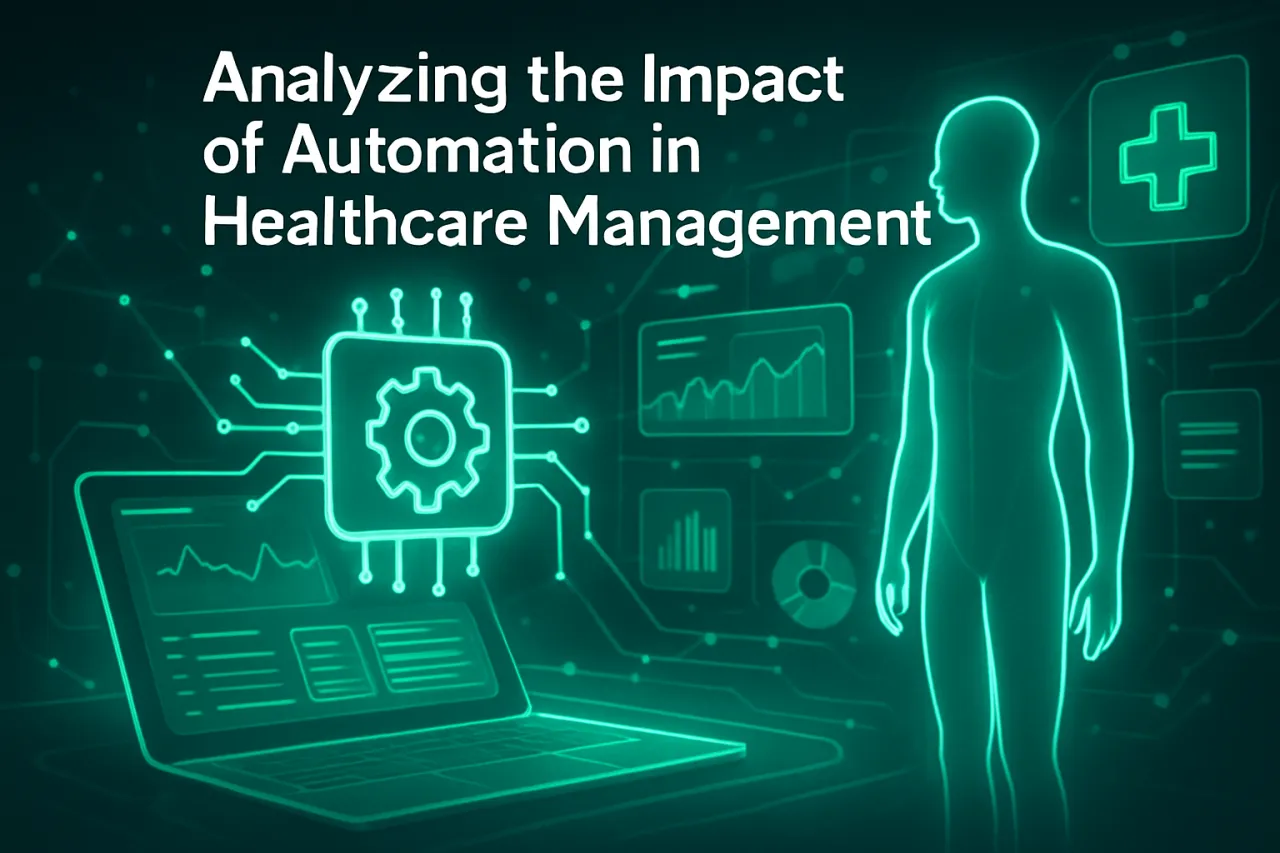
Analyzing the Impact of Automation in Healthcare Management
Introduction
In the rapidly evolving landscape of healthcare, the integration of automation technologies is reshaping management practices. With increasing pressure to improve patient outcomes and streamline operations, healthcare providers are turning to automation as a strategic solution. This article delves into the impact of automation on healthcare management, examining its influence on operational efficiency and the quality of patient care.
As the healthcare industry faces challenges such as rising costs, staffing shortages, and the need for improved data management, automation tools offer a promising avenue for addressing these issues. This piece will explore various automation tools, case studies, expert insights, and future trends, equipping readers with a comprehensive understanding of how automation is changing healthcare management.
What Is Healthcare Automation?
Healthcare automation refers to the use of technology and software solutions to automate administrative and clinical processes within the healthcare system. This includes a wide range of applications, from scheduling appointments and managing patient records to automating billing and claims processing. By reducing the reliance on manual tasks, healthcare automation aims to enhance efficiency, minimize errors, and improve service delivery.
Automation tools can encompass a variety of technologies, including robotic process automation (RPA), artificial intelligence (AI), and machine learning (ML). These innovations help healthcare organizations manage vast amounts of data, improve patient interactions, and streamline workflows.
Why It Matters
The significance of automation in healthcare management cannot be overstated. As healthcare demands continue to grow, organizations face increasing pressure to deliver high-quality services while operating within tight budgets. Automation plays a critical role in helping these organizations achieve operational efficiency, reduce costs, and enhance patient care.
Investing in automation tools not only helps healthcare providers save time but also allows them to allocate resources more effectively, ultimately leading to better patient outcomes. As the industry moves towards value-based care, the ability to leverage automation will be vital for maintaining competitiveness and delivering superior healthcare services.
Best Software / Methods / Strategies
Interloom Technologies
Overview: Interloom Technologies offers a suite of automation tools designed specifically for healthcare organizations, focusing on patient engagement and operational management.
Strengths:
- Comprehensive patient engagement features
- Streamlined scheduling and follow-up reminders
- Integration with EHR systems
Limitations:
- May require a learning curve for new users
- Pricing tiers may be complex
Best for: Healthcare providers looking to enhance patient communication and operational workflows.
Pricing overview: Pricing information is available upon request, tailored to the needs of the organization.
Normain
Overview: Normain is an extractional AI platform that automates data extraction and management for healthcare providers, simplifying the handling of large datasets.
Strengths:
- High accuracy in data extraction
- Reduces manual data entry errors
- Scalable solution for growing organizations
Limitations:
- Initial setup may require IT support
- Integration challenges with legacy systems
Best for: Organizations needing to manage extensive patient data efficiently.
Pricing overview: Custom pricing based on the scale of deployment and specific requirements.
Best Automation Tools for Healthcare Administrators
Overview: This resource provides a curated list of top automation tools specifically tailored for healthcare administrators, covering various functionalities from scheduling to reporting.
Strengths:
- Comprehensive tool comparisons
- User reviews and ratings
- Availability of free trials for many tools
Limitations:
- May not cover niche tools specific to smaller healthcare providers
- Users must evaluate tools based on specific organizational needs
Best for: Healthcare administrators seeking to improve operational efficiency through automation.
Pricing overview: Pricing varies significantly across tools; many offer free trials or tiered pricing models.
How to Choose the Right Solution
When selecting an automation solution for healthcare management, consider the following criteria:
- Functionality: Ensure the tool addresses the specific needs of your organization, such as patient scheduling, billing, or data management.
- Integration: Evaluate how well the automation tool integrates with existing systems, such as electronic health records (EHR) and other management platforms.
- Scalability: Choose a solution that can grow with your organization, allowing for easy upgrades and additional features as needed.
- User Experience: Prioritize user-friendly interfaces and training resources to ease the transition for staff.
- Cost-effectiveness: Analyze total costs, including subscriptions, implementation, and maintenance, to ensure a positive return on investment.
Common Mistakes
To maximize the benefits of automation in healthcare management, avoid the following pitfalls:
- Underestimating the Importance of Training: Failing to adequately train staff on new automation tools can lead to poor adoption and underutilization.
- Neglecting Data Security: Automation can introduce vulnerabilities; prioritize security measures to protect sensitive patient information.
- Choosing the Wrong Tool: Rushing into a decision without thorough evaluation can result in selecting a tool that does not meet your organization’s needs.
- Ignoring Change Management: Overlooking the human factor in implementing automation can lead to resistance and poor outcomes.
Frequently Asked Questions
1. What are the key benefits of healthcare automation?
Healthcare automation enhances operational efficiency, reduces costs, minimizes errors, and improves patient care by streamlining administrative and clinical processes.
2. How can I determine if my organization is ready for automation?
Assess current workflows, identify bottlenecks, evaluate resource availability, and consider the potential ROI of automation tools.
3. Are there specific automation tools for small healthcare practices?
Yes, many vendors offer tailored solutions for small practices, focusing on affordability and ease of use, such as Best Automation Tools for Healthcare Administrators.
4. What challenges can arise when implementing automation in healthcare?
Common challenges include integration issues, staff resistance, data security concerns, and potential disruptions during the transition period.
5. How does automation improve patient engagement?
Automation tools facilitate timely communication, appointment reminders, and personalized follow-ups, enhancing the overall patient experience.
Conclusion
The impact of automation in healthcare management is profound, offering solutions that enhance operational efficiency and improve patient care. As healthcare organizations navigate the complexities of modern demands, automation tools become essential assets in their strategic arsenal. By carefully selecting and implementing the right solutions, healthcare providers can unlock significant benefits, including cost savings, increased productivity, and higher patient satisfaction. Embracing automation is not merely a trend; it is a necessary evolution in the pursuit of excellence in healthcare delivery.
About the Author
Software Reviewer
A seasoned software reviewer, Sahar Khattak focuses on making tech accessible to everyday users. She covers Email Marketing tools, comparisons, and buying guides on Softedin.