The Importance of Cybersecurity for E-commerce Businesses
Introduction
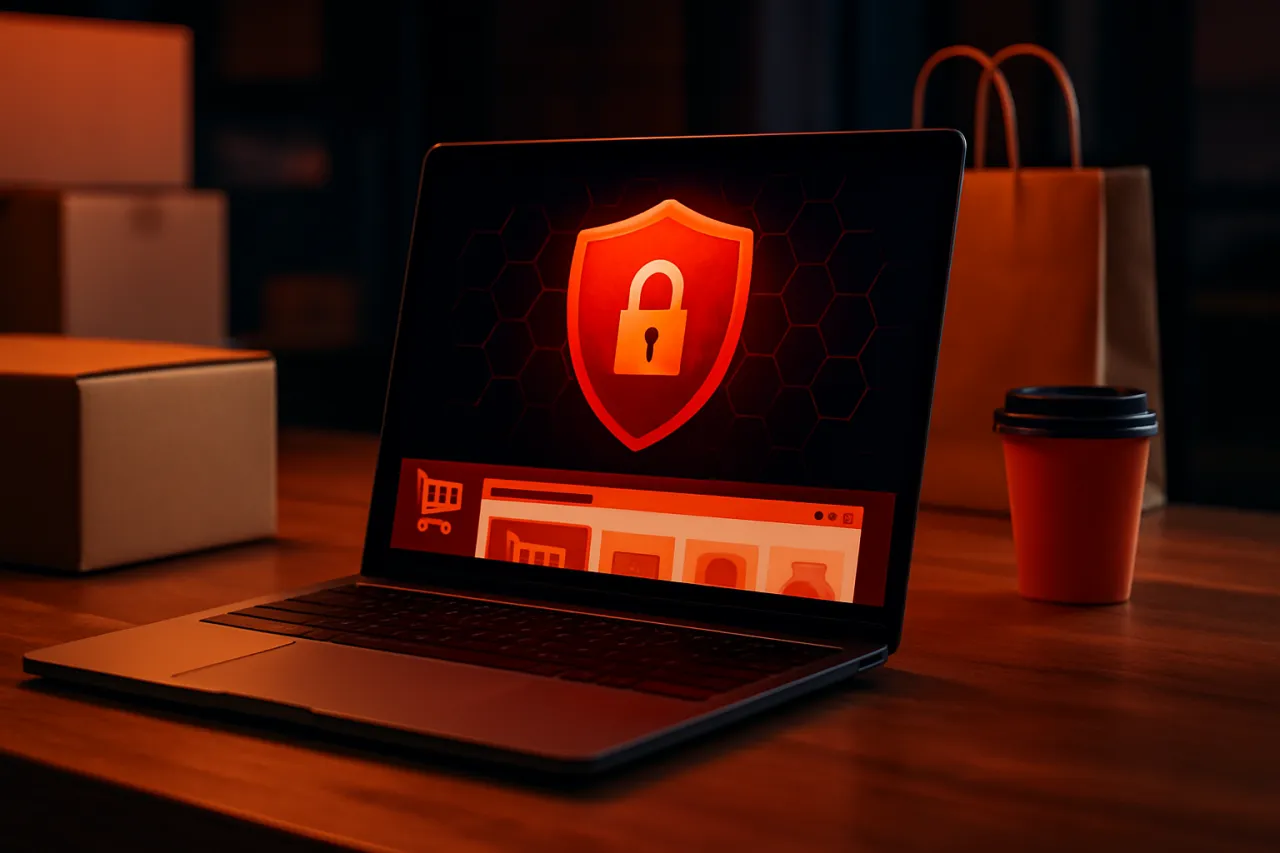
As online shopping continues to surge, so do cybersecurity threats aimed at e-commerce businesses. In this digital landscape, safeguarding customer data is not just a regulatory requirement but a cornerstone of consumer trust. Cyberattacks can lead to devastating financial losses, reputational damage, and legal repercussions. This article delves into the pressing importance of cybersecurity for e-commerce businesses, highlights current trends, and outlines best practices to fortify defenses against potential threats.
Understanding the nuances of cybersecurity can seem overwhelming, especially for small to medium-sized enterprises. However, this knowledge is essential for implementing effective strategies that not only protect sensitive information but also enhance customer confidence. In the following sections, we will explore key cybersecurity concepts, recent incidents that underscore the gravity of these threats, and actionable strategies for safeguarding your e-commerce platform.
What Is Cybersecurity?
Cybersecurity encompasses the practices, technologies, and processes designed to protect networks, devices, and data from unauthorized access or attacks. For e-commerce businesses, this means securing customer information such as payment details, personal addresses, and purchase history. The rise of digital transactions has made e-commerce platforms prime targets for cybercriminals looking to exploit vulnerabilities.
E-commerce cybersecurity involves a multi-layered approach that includes everything from encryption and secure payment gateways to regular software updates and employee training. The goal is to create a robust security posture that can adapt to evolving threats, ensuring that both businesses and customers are protected.
Why It Matters
The significance of cybersecurity in e-commerce cannot be overstated. Here are some critical reasons why it should be a priority for every online retailer:
- Rising Cyber Threats: The number of cyberattacks targeting e-commerce has risen sharply, with hackers often employing sophisticated methods to breach security measures.
- Financial Impact: Data breaches can result in significant financial losses due to fraud, fines, and the cost of remediation efforts.
- Consumer Trust: Customers are increasingly aware of cybersecurity issues. A single breach can lead to a loss of trust, affecting customer loyalty and brand reputation.
- Regulatory Compliance: Many regions impose strict regulations regarding data protection, making compliance essential to avoid legal issues and fines.
Best Software / Methods / Strategies
1. Encryption Tools
- Overview: Encryption tools protect sensitive data by converting it into an unreadable format that can only be decoded with a specific key.
- Strengths: Provides a high level of data security, especially for payment information.
- Limitations: Can be resource-intensive and may slow down system performance if not implemented correctly.
- Best for: Businesses handling sensitive customer information.
- Pricing Overview: Many encryption solutions offer tiered pricing based on features and deployment size.
2. Firewalls
- Overview: Firewalls act as barriers between trusted internal networks and untrusted external networks, controlling incoming and outgoing traffic.
- Strengths: Essential for monitoring traffic and blocking malicious activities.
- Limitations: Misconfigured firewalls can lead to vulnerabilities.
- Best for: All e-commerce businesses, particularly those with significant online transactions.
- Pricing Overview: Ranges from free basic solutions to advanced enterprise-level firewalls.
3. Antivirus Software
- Overview: Antivirus solutions detect and mitigate malware threats that can compromise data integrity.
- Strengths: Provides real-time protection against a wide array of malware.
- Limitations: Some antivirus solutions may not catch zero-day threats.
- Best for: Any business that requires proactive threat management.
- Pricing Overview: Pricing can vary widely from free versions with limited features to comprehensive paid subscriptions.
4. Two-Factor Authentication (2FA)
- Overview: 2FA adds an extra layer of security by requiring a second form of verification before granting access to accounts.
- Strengths: Significantly reduces the likelihood of unauthorized account access.
- Limitations: Can be inconvenient for users who prefer quick access.
- Best for: All e-commerce platforms, especially those with user accounts.
- Pricing Overview: Many 2FA tools are free or included in existing software solutions.
How to Choose the Right Solution
When evaluating cybersecurity solutions for your e-commerce business, consider the following criteria:
- Scalability: Ensure that the solution can grow with your business.
- User-Friendliness: A complex system may deter employees from using it effectively.
- Integration Capabilities: Look for solutions that can integrate with your existing systems to provide a seamless experience.
- Support & Training: Ensure that vendor support and training resources are available to maximize the tool's effectiveness.
Common Mistakes
- Neglecting Regular Updates: Failing to update software can leave vulnerabilities unpatched.
- Underestimating Employee Training: Employees should be trained on security best practices to avoid human error.
- Ignoring Data Backups: Regularly back up data to recover information in the event of a breach.
Frequently Asked Questions
-
What types of cyber threats do e-commerce businesses face?
E-commerce businesses face various threats, including phishing attacks, malware, and data breaches. -
How can I protect customer data effectively?
Implement robust encryption, secure payment gateways, and regular security audits to protect customer data. -
Is cybersecurity expensive for small businesses?
While some solutions can be costly, there are many affordable options tailored for small businesses. -
What are the signs of a cyberattack?
Common signs include unusual account activity, slow system performance, and unauthorized access alerts. -
Can I manage cybersecurity in-house?
While some aspects can be managed in-house, partnering with cybersecurity experts can provide comprehensive protection.
Conclusion
In an era where e-commerce is pivotal to retail success, prioritizing cybersecurity is non-negotiable. By implementing the tools and strategies discussed, e-commerce businesses can significantly mitigate risks while enhancing customer trust. As cyber threats continue to evolve, staying informed and prepared is essential to safeguard your business and its valuable customer data. Take proactive steps today to ensure your e-commerce platform remains secure, trustworthy, and resilient against cyberattacks.
About the Author
Content Creator
Mohsin Memon brings 12 years of industry experience to every review. Specializing in Email Marketing, He cuts through the marketing noise to deliver honest, practical insights.