
How to Leverage Analytics for E-commerce Growth
Introduction
In the fast-paced world of e-commerce, the ability to make data-driven decisions can mean the difference between thriving and merely surviving. As businesses grow, so does the volume of data generated, making it essential to leverage analytics effectively. This article explores how e-commerce businesses can harness analytics to drive growth, providing insights into various types of analytics, data interpretation, and actionable strategies.
By examining real success stories from thriving e-commerce brands, readers will learn how to transform raw data into meaningful insights that inform growth strategies. The importance of e-commerce analytics cannot be understated; it enables businesses to understand their customers better, optimize their operations, and ultimately increase sales.
What Is E-commerce Analytics
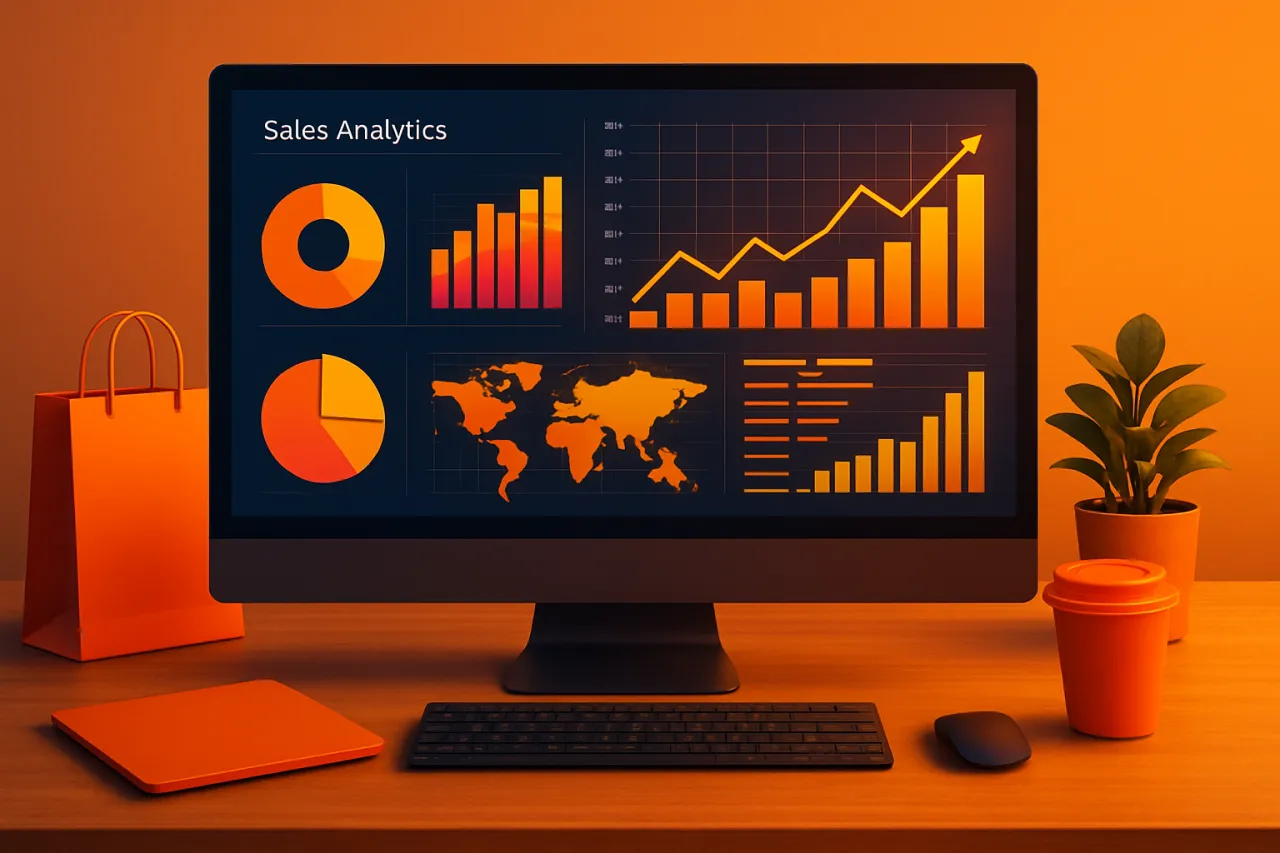
E-commerce analytics refers to the systematic analysis of quantitative and qualitative data generated from online shopping activities. This includes tracking user behavior on websites, analyzing sales trends, and measuring the performance of marketing campaigns. Key metrics often examined include conversion rates, customer acquisition costs, and average order value, among others.
The insights derived from e-commerce analytics can inform various aspects of a business, from product development to customer experience, helping brands refine their strategies and drive growth.
Why It Matters
Understanding e-commerce analytics is crucial for several reasons:
- Customer Insights: It helps businesses identify customer preferences, behaviors, and pain points, allowing for a more tailored shopping experience.
- Performance Measurement: Analytics provides a clear picture of what strategies are working and which are not, enabling informed decision-making.
- Market Trends: By analyzing data, businesses can spot emerging trends and adjust their offerings accordingly, ensuring they remain competitive.
- Resource Optimization: Effective use of analytics can lead to better allocation of marketing budgets and resources, minimizing waste and maximizing ROI.
Best Software / Methods / Strategies
Google Analytics
Overview: Google Analytics is a widely used web analytics service that tracks and reports website traffic. It offers various features tailored for e-commerce businesses.
Strengths:
- Comprehensive data tracking capabilities
- Free to use for basic features
- Integration with Google Ads and other Google services
Limitations:
- Can be complex for beginners
- Limited support for more advanced analytics needs without additional tools
Best for: Businesses of all sizes looking for a robust analytics solution.
Pricing overview: Free for the standard version, with premium options available for larger enterprises.
Shopify Analytics
Overview: Shopify provides built-in analytics tools specifically designed for e-commerce stores hosted on its platform.
Strengths:
- User-friendly interface
- Tailored insights for Shopify users
- Real-time data tracking
Limitations:
- Limited to Shopify users only
- Advanced features require higher-tier plans
Best for: Shopify store owners seeking integrated analytics solutions.
Pricing overview: Included with all Shopify plans, with additional costs for advanced features.
Mixpanel
Overview: Mixpanel is an advanced product analytics platform that focuses on tracking user interactions with web and mobile applications.
Strengths:
- Powerful event tracking capabilities
- In-depth cohort analysis features
- Customizable dashboards
Limitations:
- Pricing can be steep for high-volume users
- May require a learning curve to utilize effectively
Best for: Businesses seeking detailed insights into user behavior and event tracking.
Pricing overview: Free tier available; paid plans start at $25/month.
Base64.ai
Overview: Base64.ai utilizes machine learning to analyze customer data and predict trends, helping e-commerce businesses optimize their strategies.
Strengths:
- AI-driven insights for predictive analytics
- User-friendly interface
- Customizable reports and dashboards
Limitations:
- May not be suitable for smaller businesses due to pricing
- Requires some technical knowledge for advanced features
Best for: Businesses looking to leverage AI for deeper data insights.
Pricing overview: Pricing is based on usage and features; contact for details.
How to Choose the Right Solution
When selecting an analytics tool, consider the following criteria:
- Business Size: Some tools are better suited for small businesses, while others cater to large enterprises.
- Usability: Assess whether the tool is user-friendly or requires extensive training.
- Integration: Check if the analytics tool integrates easily with existing platforms, such as shopping carts or CRM systems.
- Cost: Evaluate the pricing model and ensure it aligns with your budget.
- Features: Determine which features are essential for your business needs and look for tools that offer those capabilities.
Common Mistakes
- Ignoring Data Quality: Always ensure your data is accurate and clean before analysis.
- Focusing on Vanity Metrics: Avoid getting distracted by metrics that don’t directly impact your business goals.
- Not Setting Clear Objectives: Without clear goals, it can be difficult to determine what data to track and analyze.
- Neglecting Continuous Learning: Analytics is a constantly evolving field; stay updated with the latest trends and tools.
Frequently Asked Questions
1. What types of analytics should I focus on for e-commerce?
Focus on web analytics, conversion rate optimization, and customer behavior analysis to drive growth effectively.
2. How can I use e-commerce analytics to improve customer experience?
Analyze customer feedback, behavior, and buying patterns to tailor your offerings and enhance the shopping experience.
3. Is it worth investing in advanced analytics tools?
Yes, if your business generates significant data and you need actionable insights, advanced tools can provide a competitive edge.
4. How often should I review my e-commerce analytics?
Regularly review analytics, ideally monthly, to track progress and adjust strategies as needed.
5. Can I use multiple analytics tools simultaneously?
Absolutely, using multiple tools can provide a more comprehensive view of your data, but ensure they integrate well for effective analysis.
Conclusion
Leveraging analytics for e-commerce growth is not just an option; it’s a necessity in today’s competitive landscape. By understanding the different types of analytics and their implications, businesses can make informed decisions that lead to increased sales and improved customer satisfaction. Remember to choose the right tools based on your specific needs and avoid common pitfalls to maximize the benefits of your analytics efforts. By staying data-driven, your e-commerce business can navigate the complexities of the market and continue to thrive.
About the Author
Digital Marketing Expert
Kimberly Baker is a digital marketing expert with 12+ years of experience reviewing and testing Cloud Computing software. She helps businesses find the right digital tools to scale their operations.