
Top CRM Features Every Startup Needs
Introduction
In today's competitive landscape, startups must leverage technology to streamline their operations and enhance customer relationships. A Customer Relationship Management (CRM) system is vital for tracking interactions, managing leads, and boosting overall customer satisfaction. However, selecting the right CRM with the best features tailored to a startup's needs can be overwhelming. This article delves into the essential CRM features that every startup should prioritize.
Understanding which features can add the most value to your customer management strategy will enable your startup to make informed decisions, ensuring long-term growth and success. We’ll cover the most impactful CRM functionalities, provide insights into their importance, and guide you on how to select the ideal CRM solution for your startup.
What Is CRM?
Customer Relationship Management (CRM) is a software tool designed to help businesses manage their interactions with current and potential customers. By consolidating customer information and automating various communication processes, CRMs promote efficiency and enhance customer service. Startups, in particular, can benefit from implementing a robust CRM system early in their journey, as it lays the foundation for effective customer management and retention strategies.
Why It Matters
For startups, effective customer management is crucial. A well-chosen CRM can help streamline operations, improve communication, and provide valuable insights into customer behavior. Startups often face resource constraints and intense competition; thus, implementing a CRM with the right features can lead to improved customer satisfaction and retention, ultimately driving growth.
Best Software / Methods / Strategies
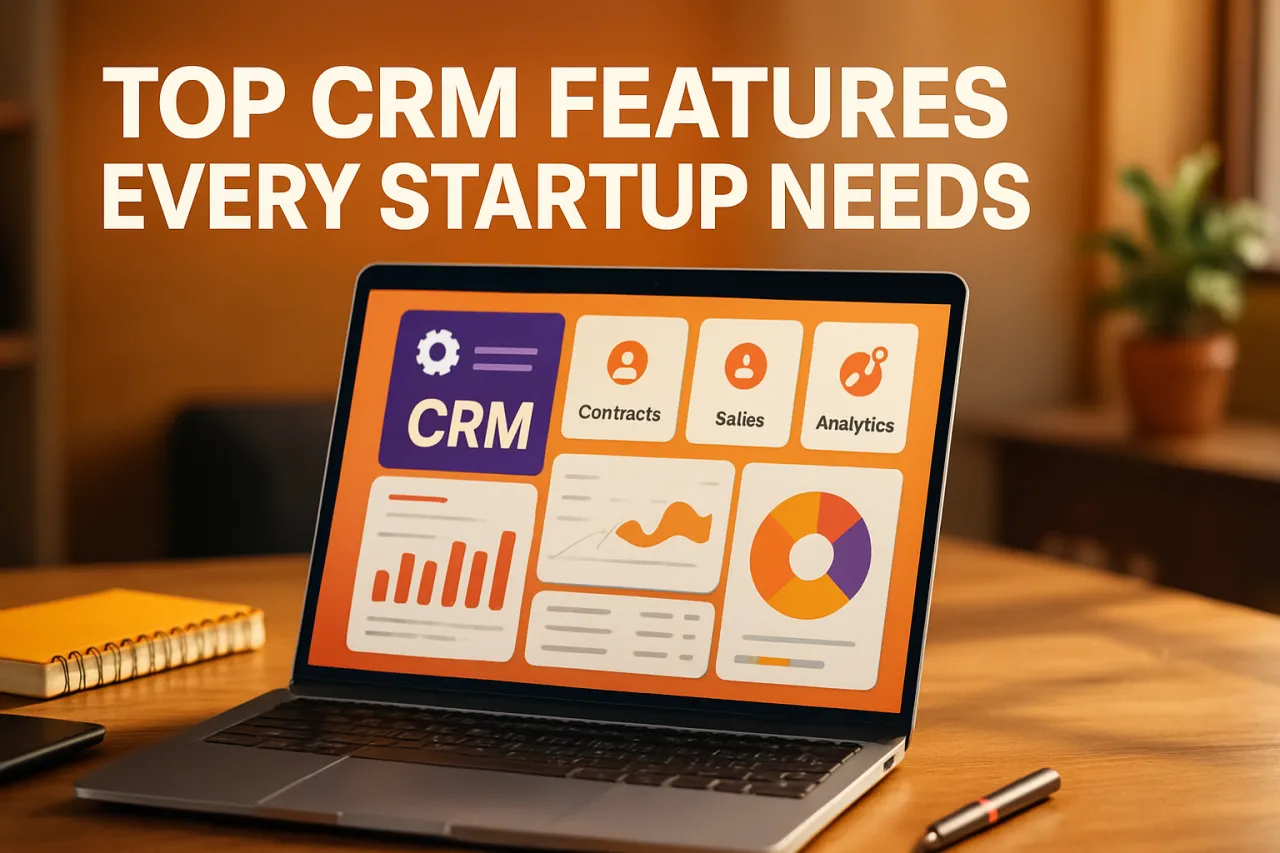
1. Contact Management
- Overview: Contact management is the backbone of any CRM system. It enables startups to store, organize, and manage customer information effectively.
- Strengths: Centralizes customer data, making it easy to access and update.
- Limitations: May require manual updates if not integrated with other tools.
- Best for: Startups looking to maintain a detailed database of customer interactions.
- Pricing overview: Many CRMs offer contact management features at various pricing tiers, often starting with a free basic version.
2. Sales Automation
- Overview: Sales automation features help streamline repetitive tasks such as tracking leads, sending follow-up emails, and managing sales pipelines.
- Strengths: Increases sales team efficiency, allowing focus on closing deals rather than administrative tasks.
- Limitations: Initial setup may require time and resources to customize workflows.
- Best for: Startups with a sales team looking to maximize productivity.
- Pricing overview: Sales automation tools can range from free plans to premium subscriptions based on functionality.
3. Reporting and Analytics
- Overview: Analytics tools within a CRM allow startups to track performance metrics, customer behavior, and sales trends.
- Strengths: Provides actionable insights for data-driven decision-making.
- Limitations: Complexity may vary based on the CRM; some may require additional training.
- Best for: Startups that prioritize data analysis for strategic planning.
- Pricing overview: Advanced reporting features may be available in higher-tier plans.
4. Integration Capabilities
- Overview: The ability to integrate with other software tools, such as email, marketing automation, and project management systems.
- Strengths: Ensures a seamless flow of information between various applications, reducing data silos.
- Limitations: Not all CRMs offer extensive integration options; compatibility may vary.
- Best for: Startups using multiple software tools that need to work together.
- Pricing overview: Integration features can be included in plans or require additional fees.
5. Mobile Access
- Overview: Mobile access allows users to manage customer relationships on-the-go through dedicated apps or mobile-friendly interfaces.
- Strengths: Enhances flexibility and responsiveness, especially for remote teams.
- Limitations: Mobile versions may lack some features available on the desktop version.
- Best for: Startups with on-field sales teams or remote workers.
- Pricing overview: Most CRM solutions offer mobile capabilities as part of their standard pricing.
How to Choose the Right Solution
When selecting a CRM, consider the following evaluation criteria:
- Scalability: Ensure the CRM can grow with your business and accommodate increasing data and users.
- User Interface: A user-friendly interface is crucial for adoption across your team.
- Customization: Look for options that allow you to tailor the CRM to your specific workflow and needs.
- Support and Training: Check for available customer support and training resources to facilitate onboarding.
Common Mistakes
Startups often make the following mistakes when choosing a CRM:
- Neglecting Integration Needs: Failing to consider how well the CRM integrates with existing tools can lead to inefficiencies.
- Overlooking User Experience: Choosing a complex system may hinder user adoption among team members.
- Ignoring Scalability: Selecting a CRM that cannot grow with the business can result in additional costs down the line.
Frequently Asked Questions
- What are the top CRM features to look for in a startup?
Look for contact management, sales automation, reporting, integration capabilities, and mobile access. - How can a CRM help my startup grow?
A CRM improves customer relationships, enhances efficiency, and provides insights that drive informed decisions. - Is it necessary for startups to invest in a CRM?
While not mandatory, investing in a CRM can significantly enhance operational efficiency and customer satisfaction. - What is the average cost of a CRM solution?
Pricing varies widely; many offer free basic versions, while premium features can range from $12 to $300 per user per month. - Can I use a CRM without a sales team?
Yes, CRMs are beneficial for managing customer interactions even in non-sales environments.
Conclusion
Choosing the right CRM is a pivotal decision for a startup's growth trajectory. By focusing on the essential CRM features outlined in this article, startups can enhance customer management, streamline operations, and ultimately drive success. Remember to evaluate options based on your unique needs, and avoid common pitfalls to ensure a smooth implementation of your chosen CRM solution.
About the Author
Senior Tech Writer
With a background in No-Code Tools, Tyler Robinson brings hands-on expertise to evaluating the latest No-Code Tools tools. He has reviewed hundreds of SaaS products for startups and enterprises alike.