

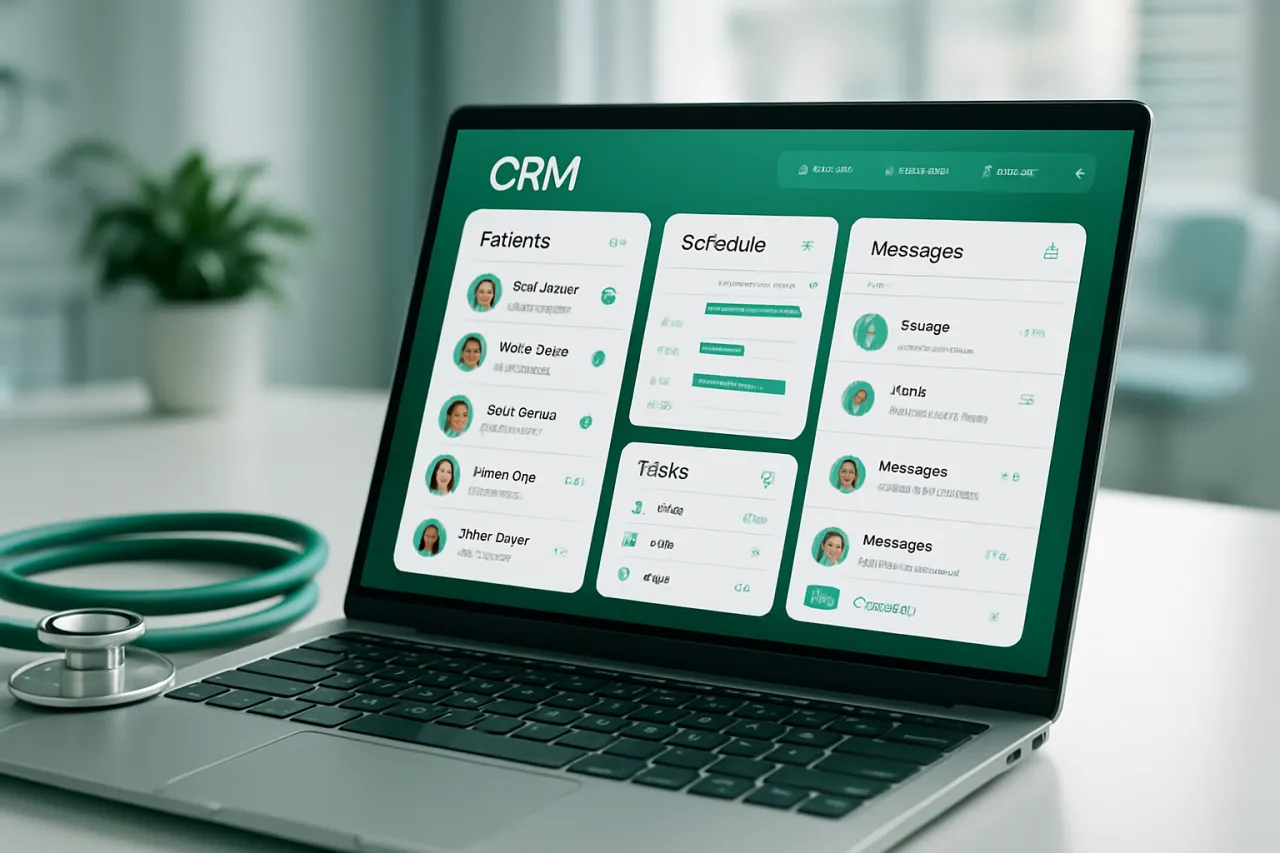
Top CRM Tools for Healthcare Providers to Enhance Patient Management
Introduction
In the healthcare sector, managing patient relationships is as crucial as delivering quality care. With the increasing complexity of patient needs and the demand for personalized experiences, healthcare providers are increasingly turning to Customer Relationship Management (CRM) tools. These solutions not only help streamline operations but also enhance patient engagement and satisfaction. This article delves into the best CRM tools designed specifically for healthcare providers, emphasizing features that improve patient outcomes and overall management.
The challenge many healthcare organizations face is balancing comprehensive patient management with efficient communication. A well-implemented CRM solution can alleviate these pain points by facilitating better interaction between staff and patients, tracking patient history, and managing follow-ups seamlessly. Readers will learn about top CRM solutions tailored for healthcare, their unique features, strengths, and limitations to make informed decisions.
What Is CRM in Healthcare?
CRM in healthcare refers to the integration of technology to manage patient relationships and data. Unlike traditional CRM systems focused on sales and marketing, healthcare CRM tools are specifically designed to address the unique challenges of patient management. They offer functionalities such as patient data management, appointment scheduling, communication tracking, and analytics.
These tools help healthcare providers gain insights into patient behaviors, preferences, and needs, ultimately allowing for a more personalized care experience. With the ever-evolving landscape of healthcare, implementing an effective CRM system can lead to improved operational efficiency and better patient outcomes.
Why It Matters
The importance of CRM tools in healthcare cannot be overstated. With increasing patient volumes and complex care requirements, healthcare providers need robust systems to manage interactions effectively. A good CRM solution can help in:
- Improving Patient Engagement: Personalized communication fosters a better relationship with patients, encouraging adherence to treatment plans.
- Streamlining Operations: Automating routine tasks reduces administrative burdens, allowing healthcare professionals to focus more on patient care.
- Enhancing Data Management: Centralizing patient information ensures that healthcare providers have quick access to relevant data, improving decision-making.
Best Software / Methods / Strategies
1. Salesforce Health Cloud
Overview: Salesforce Health Cloud is a powerful CRM platform tailored for healthcare organizations. It provides a comprehensive view of patient data and engagement history, enabling personalized care.
Strengths:
- Extensive customization options.
- Strong integration capabilities with other healthcare systems.
- Robust analytics and reporting features.
Limitations:
- Can be complex to set up and manage for smaller practices.
- Pricing may be higher than some competitors.
Best for: Large healthcare organizations needing extensive customization and integration capabilities.
Pricing overview: Pricing varies widely based on customization and usage, starting around $150 per user per month.
2. HubSpot CRM
Overview: HubSpot CRM offers a user-friendly interface and is suitable for healthcare providers looking to enhance patient communication without extensive IT resources.
Strengths:
- Easy to use and implement.
- Offers a free tier with basic features suitable for small practices.
- Excellent marketing tools integrated.
Limitations:
- Limited healthcare-specific features compared to dedicated solutions.
- Advanced features require upgrading to paid plans.
Best for: Small to medium-sized healthcare practices seeking an intuitive, cost-effective CRM solution.
Pricing overview: Free version available; paid plans start at approximately $45 per month.
3. Zoho CRM for Healthcare
Overview: Zoho CRM is a versatile platform with features specifically designed for healthcare, including patient tracking and communication management.
Strengths:
- Highly customizable workflows and modules.
- Affordable pricing structure.
- Strong mobile application support.
Limitations:
- May require a learning curve to utilize advanced features.
- Customer support can be slow at times.
Best for: Healthcare organizations looking for an affordable and flexible CRM solution.
Pricing overview: Plans start at $14 per user per month.
4. Microsoft Dynamics 365 Healthcare Accelerator
Overview: Microsoft Dynamics 365 offers a comprehensive suite of tools tailored for healthcare, focusing on patient insights and engagement.
Strengths:
- Integration with Microsoft products enhances productivity.
- Powerful data analytics capabilities.
- Customizable dashboards for personalized insights.
Limitations:
- Can be expensive for smaller practices.
- Complexity in setup and ongoing management.
Best for: Larger healthcare facilities or systems already using Microsoft products.
Pricing overview: Pricing starts at around $65 per user per month, depending on features.
5. Pipedrive CRM
Overview: Pipedrive is a sales-focused CRM that can be adapted for healthcare providers to manage patient relationships and communications.
Strengths:
- User-friendly interface that requires minimal training.
- Effective pipeline management for tracking patient interactions.
Limitations:
- Lacks some specialized healthcare features.
- Limited reporting capabilities compared to other CRMs.
Best for: Small to medium-sized healthcare organizations looking for a straightforward CRM solution.
Pricing overview: Pricing starts at $15 per user per month.
How to Choose the Right Solution
When selecting a CRM tool for healthcare, consider the following evaluation criteria:
- Customization Needs: Assess how much customization your practice requires.
- Integration Capabilities: Ensure the CRM can integrate with existing healthcare systems and tools.
- User Experience: Prioritize tools with intuitive interfaces for ease of adoption among staff.
- Compliance: Verify that the CRM adheres to healthcare regulations like HIPAA.
- Support and Training: Evaluate the level of customer support and training resources available.
Common Mistakes
When selecting and implementing a CRM system, healthcare providers often make these mistakes:
- Overlooking User Adoption: Failing to involve staff in the decision-making process can lead to low adoption rates.
- Neglecting Data Security: Not considering compliance and data security features can expose patient information to risks.
- Choosing Based Solely on Cost: Opting for the cheapest solution without evaluating its capabilities can lead to inadequate patient management.
Frequently Asked Questions
What features should I look for in a healthcare CRM?
Look for patient data management, communication tracking, appointment scheduling, and analytics capabilities.
How can CRM tools improve patient engagement?
By facilitating personalized communication, tracking patient interactions, and automating follow-ups.
Are CRM tools compliant with healthcare regulations?
Most reputable CRM tools are designed to comply with healthcare regulations such as HIPAA. Always verify compliance before selecting a solution.
How much do CRM tools for healthcare typically cost?
Pricing varies widely, with basic plans starting as low as $14 per user per month to more extensive solutions costing over $150 per user.
Can small healthcare providers benefit from CRM tools?
Yes, many CRM solutions offer scalable features that cater to the needs of small practices, helping them improve patient relationships and operational efficiency.
Conclusion
Selecting the right CRM tool for healthcare is crucial for enhancing patient management and communication. By understanding the unique features, strengths, and limitations of the options available, healthcare providers can make informed decisions that align with their operational needs and patient care objectives. Whether you're a large hospital system or a small practice, the right CRM can significantly impact how you manage patient relationships and improve overall care quality.
About the Author
Startup Advisor
Zubair Tauseef is a startup advisor with 10+ years of experience reviewing and testing Cybersecurity software. He helps businesses find the right digital tools to scale their operations.