Comparing the Top CRM Tools for Small Businesses in 2026
Introduction
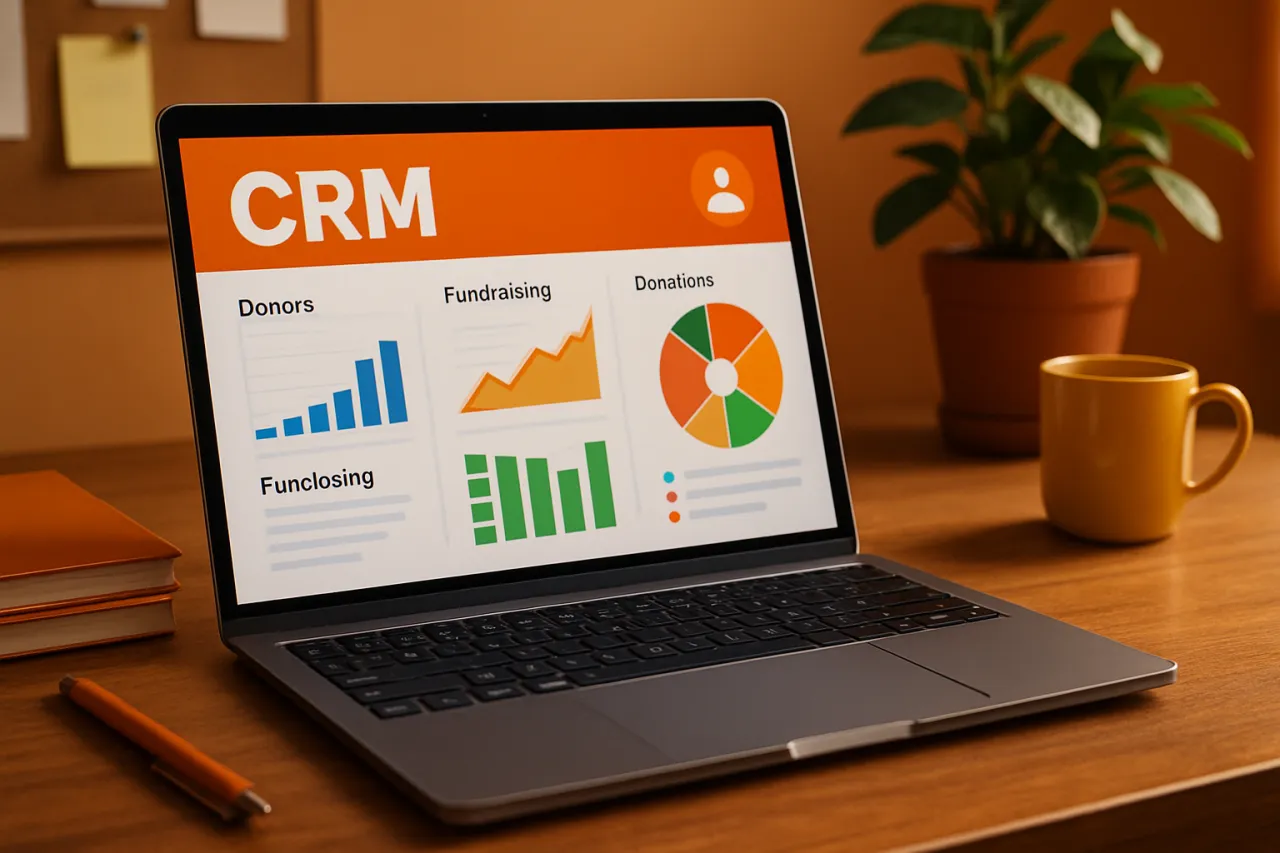
In an increasingly competitive business landscape, effective customer relationship management (CRM) is crucial for small businesses. A robust CRM tool can streamline processes, improve customer interactions, and ultimately drive growth. However, with numerous options available, selecting the right CRM tool can be daunting. This article aims to compare the top CRM solutions specifically tailored for small businesses. Readers will learn about each tool's unique features, strengths, and pricing structures, empowering them to make informed decisions.
What Is CRM?
Customer Relationship Management (CRM) is a technology-driven approach that helps businesses manage their interactions with customers and prospects. CRM systems centralize customer information, track interactions, and automate various tasks, enabling businesses to enhance customer service, improve sales, and increase productivity. For small businesses, a CRM tool can be a game changer, providing the necessary infrastructure to better understand and serve their customers.
Why It Matters
For small businesses, establishing and nurturing customer relationships is vital to success. The right CRM tool can help manage customer data, track sales pipelines, and analyze customer interactions. With better insights into customer behavior, small businesses can tailor their services, enhance customer satisfaction, and ultimately drive revenue growth. Moreover, an efficient CRM system can save time by automating routine tasks, allowing teams to focus on more strategic initiatives.
Best CRM Tools for Small Businesses
HubSpot CRM
Overview
HubSpot CRM offers a user-friendly interface and a suite of features designed to help small businesses manage customer relationships effectively. It provides tools for tracking deals, managing contacts, and automating marketing tasks.
Strengths
- Free tier available with essential features
- Comprehensive marketing automation tools
- Extensive integration options with other platforms
Limitations
- Advanced features can be pricey
- May have a learning curve for non-technical users
Best for
Small businesses looking for a scalable CRM solution with strong marketing capabilities.
Pricing overview
Free for basic features; paid plans start at $50/month.
Zoho CRM
Overview
Zoho CRM is a versatile tool that offers a range of features for sales automation, marketing automation, and customer support. It caters well to small businesses with its flexible pricing and robust functionality.
Strengths
- Customizable dashboards and reports
- Multi-channel communication capabilities
- Affordable pricing tiers
Limitations
- User interface can be complex
- Limited third-party integrations compared to competitors
Best for
Small businesses that need a highly customizable CRM solution.
Pricing overview
Free tier available; paid plans start at $14/user/month.
Salesforce Essentials
Overview
Salesforce Essentials is a simplified version of the popular Salesforce platform, designed specifically for small businesses. It provides access to core CRM functionalities, including contact management, opportunity tracking, and customer support.
Strengths
- Extensive feature set with scalability
- Strong integration capabilities
- Robust analytics and reporting tools
Limitations
- Can be expensive for small teams
- Initial setup may require assistance
Best for
Small businesses that anticipate rapid growth and need a scalable solution.
Pricing overview
Starts at $25/user/month.
Pipedrive
Overview
Pipedrive is a sales-focused CRM that emphasizes pipeline management and visualization. Its intuitive design helps small businesses focus on closing deals and tracking sales activities effectively.
Strengths
- Easy to use with a visual sales pipeline
- Customizable stages and fields
- Strong mobile app functionality
Limitations
- Limited marketing automation features
- No free tier available
Best for
Small businesses that prioritize sales tracking and deal management.
Pricing overview
Plans start at $15/user/month.
Freshsales
Overview
Freshsales is a comprehensive CRM solution that offers built-in phone and email capabilities, along with lead scoring, automation, and reporting. It is well-suited for small businesses looking for an all-in-one system.
Strengths
- Integrated communication tools
- AI-driven insights for lead scoring
- User-friendly interface
Limitations
- Limited third-party integrations
- Advanced features can be challenging to navigate
Best for
Small businesses seeking an integrated communication and CRM solution.
Pricing overview
Free tier available; paid plans start at $15/user/month.
How to Choose the Right Solution
When selecting a CRM tool for your small business, consider the following criteria:
- Feature set: Identify which features are essential for your business, such as lead management, automation, or reporting.
- Ease of use: Look for a user-friendly interface that minimizes the learning curve for your team.
- Pricing structure: Evaluate your budget and the pricing plans offered by different CRM tools.
- Scalability: Choose a solution that can grow with your business, accommodating more users and advanced features as needed.
- Integrations: Ensure that the CRM can easily integrate with other tools your business currently uses.
Common Mistakes
- Ignoring User Feedback: Failing to involve your team in the decision-making process can lead to low adoption rates.
- Overlooking Scalability: Choosing a tool that can't grow with your business can result in future headaches.
- Neglecting Training: Not dedicating time for training can hinder your team's ability to leverage the full capabilities of the CRM.
Frequently Asked Questions
What is a CRM tool?
A CRM tool helps businesses manage customer relationships by organizing data and automating tasks related to sales, marketing, and customer service.
Why do small businesses need a CRM?
A CRM helps small businesses streamline processes, improve customer relationships, and drive growth by providing insights into customer interactions.
What should I look for in a CRM?
Look for features that suit your business needs, ease of use, scalability, and integration capabilities with existing tools.
Are there free CRM tools available?
Yes, many CRM tools offer free tiers with basic functionalities, allowing small businesses to start without a financial commitment.
How can a CRM improve customer support?
A CRM centralizes customer information, enabling support teams to provide personalized and efficient service based on customer history and preferences.
Conclusion
Choosing the right CRM tool is critical for small businesses looking to enhance customer management and drive growth. Each of the solutions discussed has its strengths and limitations, catering to different business needs. By carefully evaluating your requirements, considering the tools' unique features, and avoiding common pitfalls, you can select a CRM that not only fits your current needs but also scales with your business over time.
About the Author

Software Development & Client Management
I am a Software Engineering and Technology Leader with over 15 years of experience building, scaling, and delivering high-impact digital products and enterprise solutions.