The Ultimate Buying Guide for AI Tools in E-commerce
Introduction
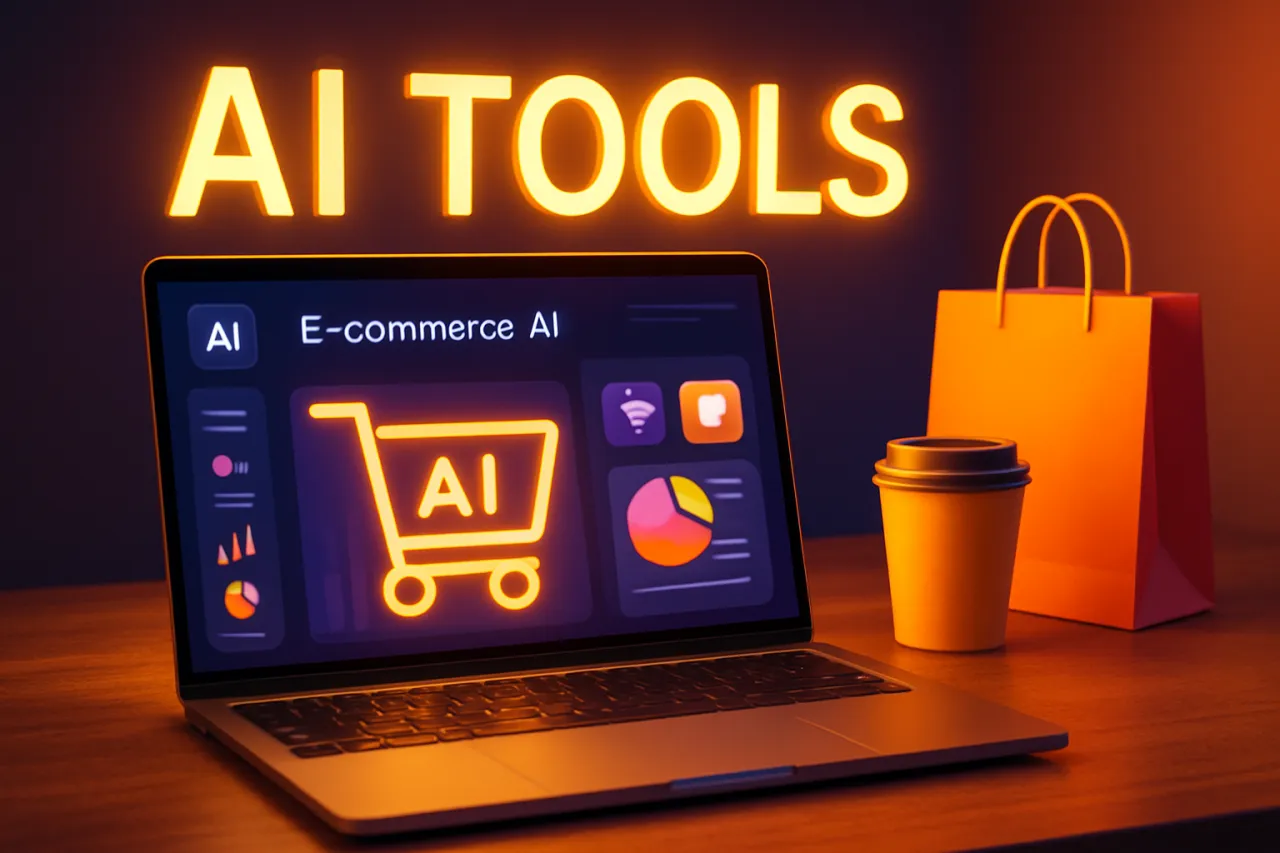
In the rapidly evolving world of e-commerce, leveraging AI tools has become crucial for businesses aiming to enhance their operations, improve customer engagement, and ultimately drive sales. The right AI solutions can streamline processes, personalize customer experiences, and provide valuable insights into consumer behavior. However, with countless options available, selecting the best AI tools can be a daunting task for e-commerce businesses.
This buying guide aims to empower you with the knowledge necessary to navigate the AI landscape in e-commerce. We will explore key considerations in choosing AI tools, highlight essential features to look for, and compare some of the most popular tools available today. By the end of this guide, you will be better equipped to make informed purchasing decisions that align with your business goals.
What Are AI Tools in E-commerce?
AI tools in e-commerce refer to software solutions that utilize artificial intelligence technologies to automate processes, analyze data, and enhance customer interactions. These tools can range from chatbots and recommendation engines to inventory management systems and fraud detection software. By harnessing the power of AI, e-commerce businesses can improve operational efficiency, tailor marketing efforts, and deliver superior customer service.
Why It Matters
The significance of AI tools in e-commerce cannot be overstated. As competition increases and consumer expectations evolve, businesses must adapt to stay relevant. AI tools can help:
- Automate repetitive tasks, freeing up time for strategic initiatives.
- Analyze large sets of data to identify trends and insights that inform decision-making.
- Enhance customer experiences through personalized interactions and recommendations.
- Optimize inventory management, reducing costs and improving fulfillment.
Investing in the right AI tools can provide a significant competitive advantage, making it imperative for e-commerce businesses to understand their options.
Best Software / Methods / Strategies
1. Customer Relationship Management (CRM) Tools
Overview
CRM tools equipped with AI capabilities can enhance customer insights and engagement strategies. They analyze customer interactions to provide actionable insights that improve sales and marketing efforts.
Strengths
- Comprehensive data analysis for customer segmentation.
- Automated follow-ups and customer interactions.
- Integration with other marketing tools for a seamless workflow.
Limitations
- May require significant setup time and training.
- Costs can escalate with added features.
Best for
Businesses looking to deepen customer relationships and streamline communication.
Pricing overview
Most CRM solutions offer tiered pricing, starting around $15 to $300 per user per month, depending on the features and scalability.
2. AI-Powered Chatbots
Overview
Chatbots are AI-driven solutions that facilitate customer interactions and support through instant messaging. They can handle inquiries, provide product recommendations, and assist in navigating the website.
Strengths
- 24/7 customer support availability.
- Immediate responses lead to improved customer satisfaction.
- Reduces the workload on human customer service agents.
Limitations
- Limited understanding of complex queries.
- May frustrate users if not well-implemented.
Best for
E-commerce businesses with a high volume of customer inquiries, seeking to improve response times.
Pricing overview
Pricing generally starts at around $50 per month for basic plans, with more advanced solutions costing several hundred dollars monthly.
3. Recommendation Engines
Overview
Recommendation engines use machine learning algorithms to analyze customer behavior and preferences to suggest products. These tools can significantly increase conversion rates by providing personalized shopping experiences.
Strengths
- Enhances user experience through tailored suggestions.
- Increases average order value and sales.
- Adapts to changing consumer behavior over time.
Limitations
- Requires substantial data to function accurately.
- Implementation can be complex and resource-intensive.
Best for
E-commerce platforms with extensive product catalogs looking to boost sales through personalization.
Pricing overview
Most recommendation engines offer pricing based on usage or a flat fee, typically ranging from $100 to $500 monthly.
4. Inventory Management Systems
Overview
AI-driven inventory management systems help businesses optimize stock levels, predict demand, and automate reordering processes. This leads to reduced costs and improved service levels.
Strengths
- Reduces stockouts and overstock situations.
- Provides real-time insights into inventory levels.
- Enhances supply chain efficiency.
Limitations
- Initial setup can be complex.
- Ongoing maintenance and updates are required.
Best for
Businesses facing challenges in managing inventory efficiently, particularly those with multiple sales channels.
Pricing overview
Pricing models vary widely but can range from $50 to $300 per month based on features and usage.
How to Choose the Right Solution
Selecting the right AI tool for your e-commerce business involves several key considerations:
- Identify Your Needs: Understand the specific challenges you face and the functions you want the AI tool to perform.
- Evaluate User-Friendliness: Choose tools that are intuitive and easy to integrate with your existing systems.
- Research Scalability: Ensure the tool can grow with your business needs, accommodating increased data and user demands.
- Consider Customer Support: Look for solutions that offer robust customer support and training resources to help you maximize the tool’s potential.
- Review Security Features: Given the importance of data protection, prioritize tools that offer strong security measures to safeguard customer information.
Common Mistakes
When selecting AI tools, businesses often encounter several pitfalls:
- Neglecting Data Quality: AI tools are only as good as the data fed into them; poor data quality can lead to inaccurate insights.
- Underestimating Implementation Time: Many businesses fail to account for the time and resources required for proper implementation and training.
- Ignoring User Feedback: Not considering the feedback of those who will use the tools daily can result in selecting a solution that doesn’t meet operational needs.
- Overlooking Integration: Choosing tools that don’t integrate with existing systems can create operational silos and inefficiencies.
Frequently Asked Questions
1. What are the primary benefits of using AI tools in e-commerce?
AI tools streamline operations, enhance customer experiences, and provide valuable insights that drive sales growth.
2. How do I know which AI tool is best for my business?
Assess your specific needs, evaluate user-friendliness, and consider scalability and support features.
3. Are AI tools expensive?
Pricing varies widely; some tools have basic plans starting at $15 per month, while more advanced solutions can cost several hundred dollars monthly.
4. Can AI tools integrate with existing e-commerce platforms?
Most AI tools offer integrations with popular e-commerce platforms, but it's essential to verify compatibility before purchase.
5. What common mistakes should I avoid when implementing AI tools?
Common mistakes include neglecting data quality, underestimating implementation time, and ignoring user feedback.
Conclusion
Choosing the right AI tools in e-commerce is vital for enhancing operations and driving growth. Understanding the functionalities and trade-offs of various solutions is crucial to making informed decisions. By carefully evaluating your business needs and considering the strengths and limitations of each tool, you can select AI solutions that will effectively support your goals and improve customer experiences. Remember to avoid common pitfalls, and continuously seek feedback to ensure the tools you implement deliver the desired outcomes.
About the Author
Digital Tools Expert
With a background in Social Media, Sadia Niazi brings hands-on expertise to evaluating the latest Social Media tools. She has reviewed hundreds of SaaS products for startups and enterprises alike.