Ultimate Guide to CRM Tools for Healthcare Providers
Introduction
In today's healthcare landscape, managing patient relationships effectively is critical for delivering high-quality care. As healthcare providers face increasing demands for transparency, efficiency, and personalized patient experiences, CRM tools have emerged as invaluable assets. This guide delves into the unique needs of healthcare providers when it comes to CRM solutions, answering essential questions about features, compliance, and integration with other healthcare systems.
By the end of this article, you will understand the critical role of CRM tools in patient management, discover best practices, and learn how to choose the right solution for your organization.
What Is CRM?
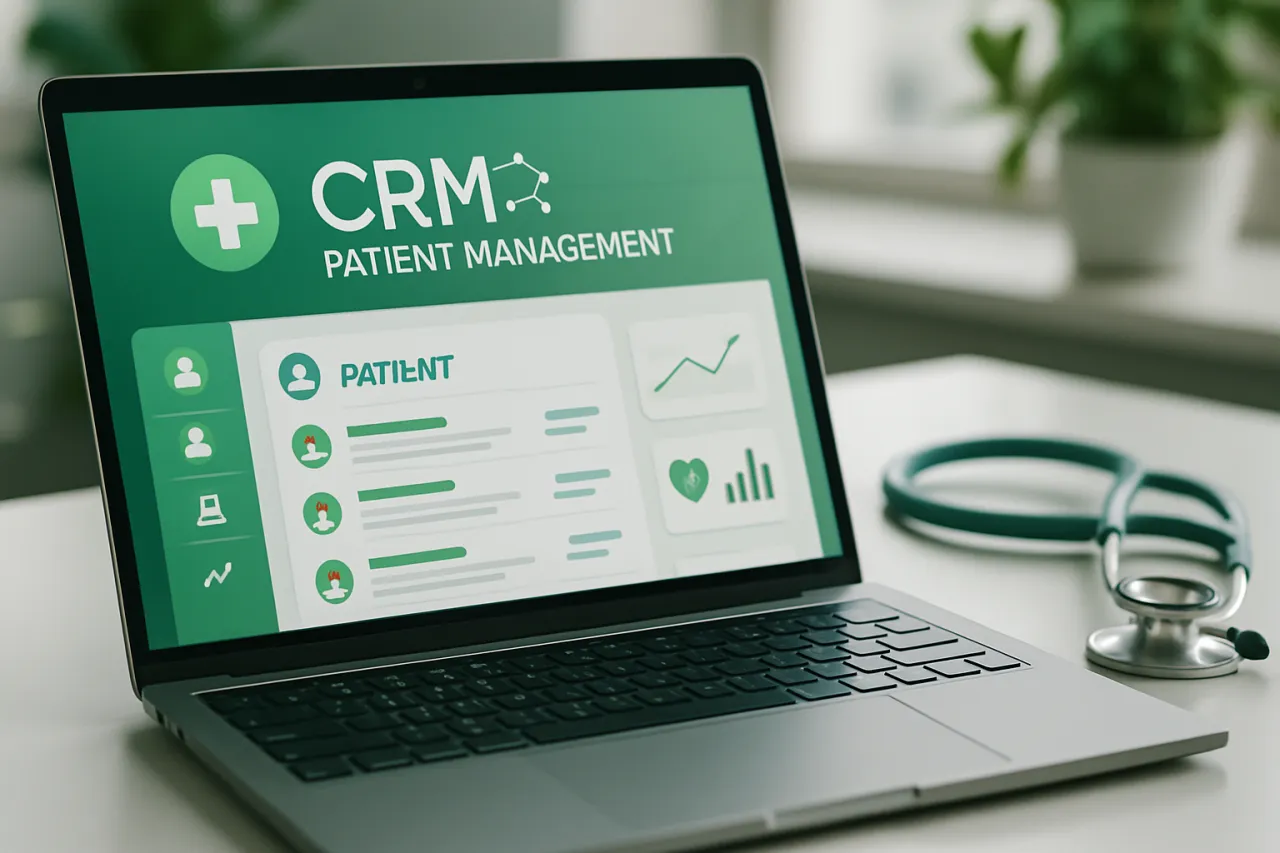
Customer Relationship Management (CRM) refers to strategies and technologies that organizations use to manage interactions with current and potential customers. In the healthcare sector, CRM tools focus on enhancing patient relationships, streamlining workflows, and improving overall patient care. These tools help healthcare providers access patient information, track interactions, and analyze data to make informed decisions.
Why It Matters
For healthcare providers, maintaining strong relationships with patients is crucial. Effective CRM tools enable providers to gather patient data, understand preferences, and personalize communication, creating a better patient experience. Additionally, with the growing emphasis on patient-centered care and regulatory compliance, having a robust CRM system can significantly impact both patient satisfaction and operational efficiency.
Best CRM Tools for Healthcare Providers
1. Salesforce Health Cloud
- Overview: Salesforce Health Cloud is a comprehensive CRM solution tailored for the healthcare industry, offering tools for patient management, care coordination, and analytics.
- Strengths: Highly customizable; integrates with various healthcare systems; strong analytics capabilities.
- Limitations: Can be costly for smaller practices; requires training for effective use.
- Best for: Large healthcare organizations needing extensive customization.
- Pricing overview: Pricing varies based on features and organization size; typically starts at $300 per user per month.
2. HubSpot CRM
- Overview: HubSpot CRM is a versatile tool that offers features for managing patient relationships, marketing, and sales processes.
- Strengths: User-friendly interface; offers a free tier; integrates well with other HubSpot products.
- Limitations: Limited healthcare-specific features; advanced functionalities require paid plans.
- Best for: Small to mid-sized healthcare practices looking for an affordable solution.
- Pricing overview: Free version available; paid plans start at $50 per month for additional features.
3. BMC Helix
- Overview: BMC Helix is an IT service management tool that also provides CRM functionalities tailored for the healthcare sector, focusing on service delivery and patient satisfaction.
- Strengths: Strong focus on IT service management; AI-driven insights; flexible deployment options.
- Limitations: Primarily targeted at IT departments; may not have as many patient-focused features as other CRMs.
- Best for: Healthcare organizations with a significant focus on IT and service management.
- Pricing overview: Pricing is variable based on deployment and organization needs; contact for a quote.
4. Microsoft Dynamics 365
- Overview: Microsoft Dynamics 365 offers a suite of CRM and ERP applications, including features specific to healthcare providers for patient engagement and operational management.
- Strengths: Comprehensive set of features; strong integration with other Microsoft products; robust analytics tools.
- Limitations: Complex setup and customization; can be expensive for smaller organizations.
- Best for: Organizations already using Microsoft products; those needing deep integration across systems.
- Pricing overview: Pricing starts at $65 per user per month for the CRM module.
5. Zoho CRM
- Overview: Zoho CRM is an affordable option that provides essential CRM functionalities for healthcare providers, including lead management and patient tracking.
- Strengths: Cost-effective; easy to use; good integration capabilities.
- Limitations: Limited healthcare-specific features; may require customization to fit healthcare needs.
- Best for: Small healthcare providers looking for a budget-friendly CRM.
- Pricing overview: Plans start at $14 per user per month.
How to Choose the Right Solution
When selecting a CRM tool for your healthcare organization, consider the following evaluation criteria:
- Compliance: Ensure the CRM complies with healthcare regulations such as HIPAA.
- Integration: Look for tools that integrate with existing healthcare systems like EHRs (Electronic Health Records).
- User Experience: A user-friendly interface is vital for staff adoption.
- Customization: Assess the ability to customize features to fit your specific workflows.
- Support and Training: Consider the level of customer support and training offered with the CRM solution.
Common Mistakes
Healthcare providers often make the following mistakes when implementing CRM tools:
- Neglecting Compliance: Failing to ensure that the CRM meets regulatory standards.
- Ignoring User Adoption: Not providing adequate training and support, leading to low staff engagement.
- Overlooking Integration Needs: Choosing a solution that does not integrate well with existing systems, causing workflow disruptions.
Frequently Asked Questions
1. What are the key features to look for in a healthcare CRM?
Key features include patient data management, appointment scheduling, marketing automation, and compliance tracking.
2. How does CRM improve patient engagement?
CRM systems help personalize communication, track patient interactions, and manage follow-ups, leading to improved patient satisfaction.
3. Are there free CRM options available for healthcare providers?
Yes, several CRM systems, like HubSpot CRM and Zoho CRM, offer free versions that can be beneficial for small practices.
4. What is the cost of implementing a CRM in a healthcare organization?
Costs vary widely based on the chosen CRM platform, features, and the size of the organization, ranging from $0 to several hundred dollars per user per month.
5. How can CRM tools enhance data security in healthcare?
Many CRM tools provide robust security features, including data encryption, user access controls, and compliance with healthcare regulations.
Conclusion
CRM tools play a pivotal role in helping healthcare providers manage patient relationships effectively and efficiently. By understanding the unique needs of the healthcare sector and evaluating various CRM solutions based on features, compliance, and integration capabilities, you can select the right tool for your organization. Whether you choose a comprehensive solution like Salesforce Health Cloud or a budget-friendly option like Zoho CRM, investing in the right CRM can enhance patient engagement, streamline operations, and ultimately improve patient care.
About the Author
AI Tools Researcher
Mariam Iqbal brings 8 years of industry experience to every review. Specializing in Email Marketing, She cuts through the marketing noise to deliver honest, practical insights.