

AirOps vs Notion
Discover the key differences between AirOps and Notion in 2026. Find the perfect marketing tool for your needs today!

AirOps
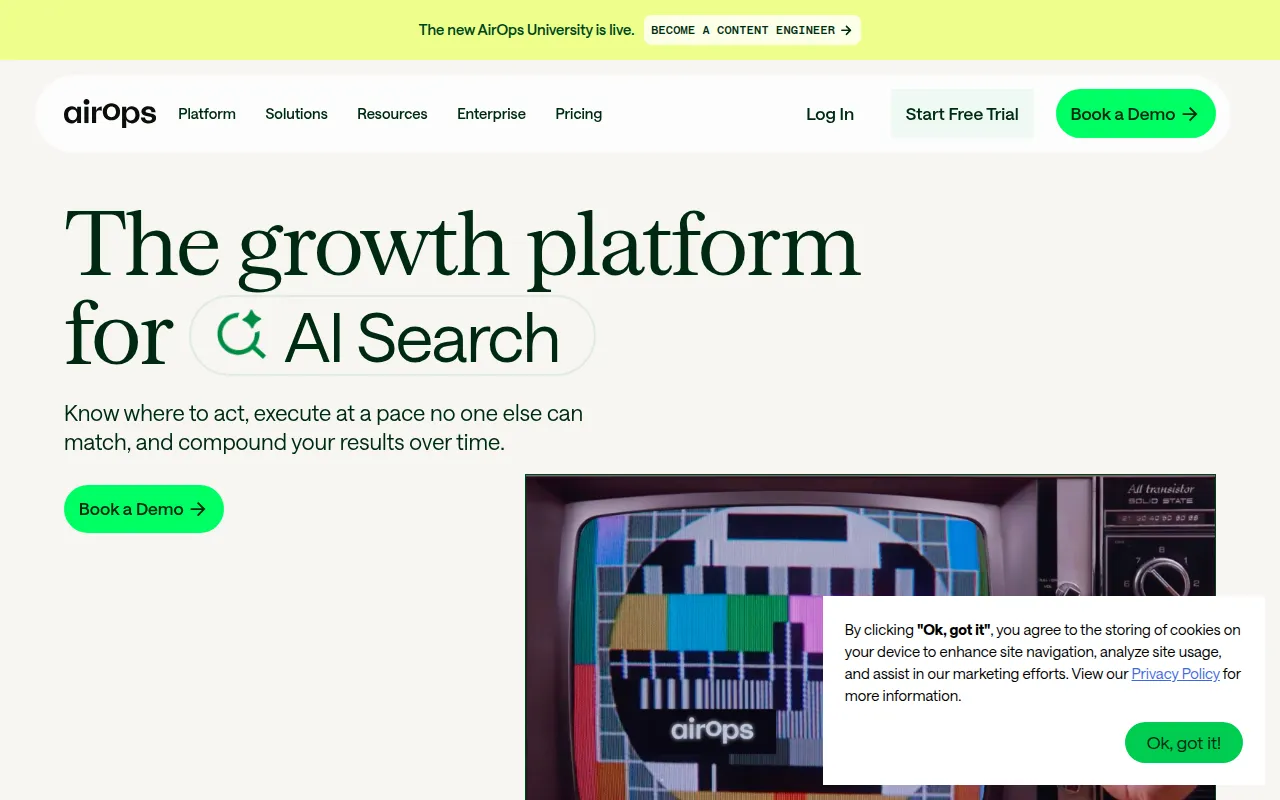
AirOps is a growth platform that enhances AI search and AEO for marketing teams, optimizing content visibility and engagement.
View Profile →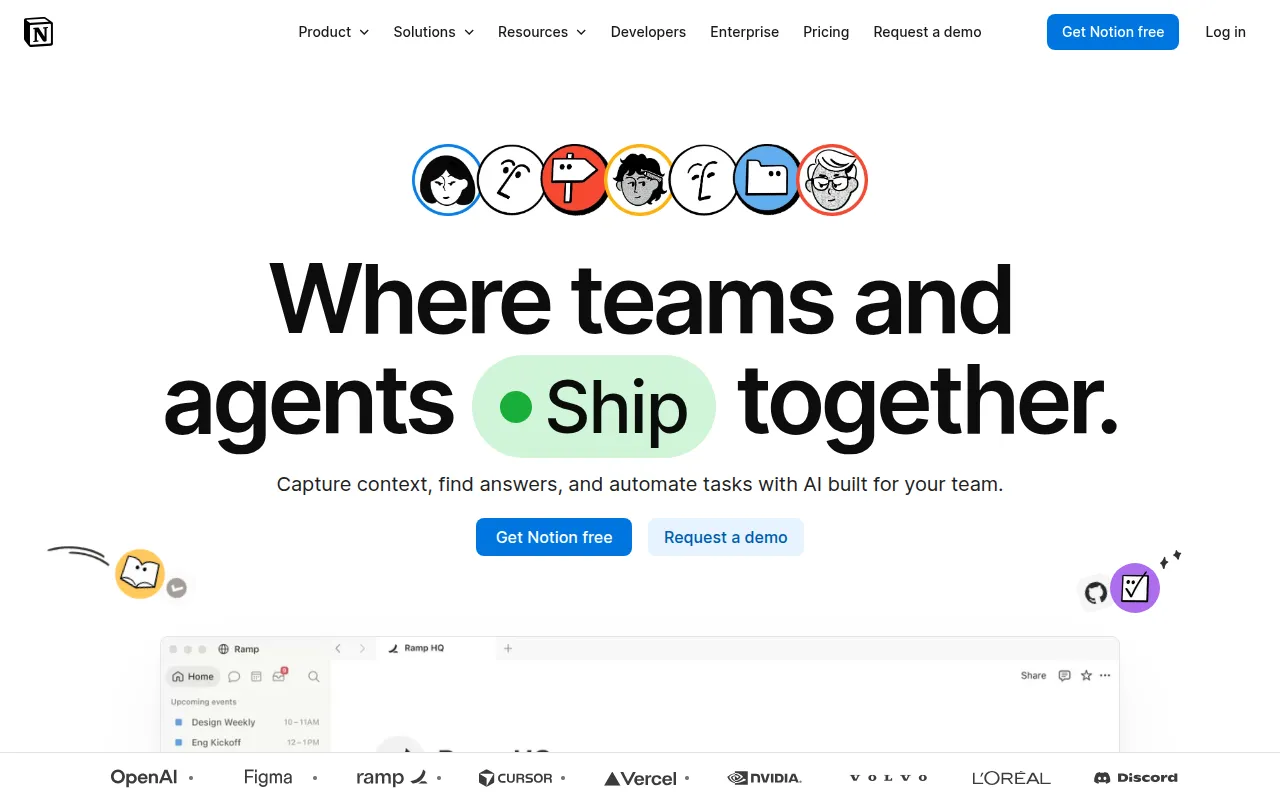
Notion
All-in-one workspace for notes, tasks, wikis, and databases. The best tool for personal productivity and team collaboration.
View Profile →Overview
In today's fast-paced digital landscape, choosing the right tools for your marketing and productivity needs is crucial. AirOps and Notion are two popular options, each catering to different user requirements. AirOps is designed for marketing teams aiming to enhance AI search and content engagement, while Notion serves individuals and teams looking for a comprehensive workspace to boost productivity and collaboration.
AirOps Overview
AirOps is an innovative growth platform specifically tailored for marketing teams seeking to optimize their content visibility and engagement through advanced AI search and AEO (AI-Enhanced Optimization). By leveraging AI technology, AirOps allows users to enhance their marketing strategies, ensuring that content not only reaches the right audience but also resonates effectively. This makes it an ideal solution for content marketers, SEO specialists, and digital marketing teams who are looking to gain a competitive edge in a crowded marketplace.
The core strengths of AirOps lie in its powerful analytics and user-friendly interface, which streamline the process of optimizing marketing campaigns. With features such as keyword tracking, content performance analysis, and AI-driven insights, marketing teams can make data-driven decisions that lead to better engagement and conversion rates. Additionally, AirOps offers a freemium model that allows users to access essential features at no cost, making it a cost-effective choice for startups and small businesses wanting to enhance their marketing efforts without a hefty investment.
Notion Overview
Notion is an all-in-one workspace designed for both personal productivity and team collaboration, offering a versatile platform for notes, tasks, wikis, and databases. Its flexibility makes it suitable for a wide range of users, from individual freelancers and students to entire organizations looking to streamline their workflows. Notion's ability to integrate various functionalities into a single platform allows users to manage their projects, create detailed documentation, and even collaborate in real-time, making it a favorite among teams that value efficiency and organization.
The most notable strengths of Notion include its customizable templates and user-friendly drag-and-drop interface, which empower users to create tailored workspaces that fit their unique needs. For example, a marketing team could utilize Notion to maintain a content calendar, track project progress, and store important resources, all in one cohesive environment. Notion's freemium model makes it accessible for personal use, while its paid plans offer advanced features suitable for teams and collaboration, ensuring that users can scale their usage as their needs grow.
Feature Comparison
| Feature | AirOps | Notion |
|---|---|---|
| Core Functionality | AI-driven content optimization for marketing | All-in-one workspace for productivity and collaboration |
| Target Users | Marketing teams, SEO specialists | Individuals, teams, and organizations |
| Content Management | Content visibility and engagement tracking | Notes, tasks, wikis, and databases |
| Analytics | Advanced performance analytics and insights | Basic analytics through project progress tracking |
| Customization | Limited customization options for marketing tools | Highly customizable templates for tailored workspaces |
| Collaboration Features | Collaboration tools are limited to marketing teams | Strong collaborative features for team projects |
| Integrations | Integrates with select marketing tools | Integrates with various third-party applications |
| Mobile Access | Mobile app available for on-the-go access | Mobile app for both personal and team use |
| Learning Curve | Relatively easy to learn for marketing professionals | Intuitive interface but may require time for full customization |
| Support Resources | Documentation and customer support focused on marketing | Extensive resources and community support available |
Pricing Comparison
Both AirOps and Notion offer freemium models, allowing users to start without any financial commitment. AirOps provides free access to basic features, which can be invaluable for startups and small marketing teams. As users grow, they can opt for paid plans that unlock advanced features such as enhanced analytics and additional integrations. The pricing structure is tiered, making it easy for users to choose a plan that fits their evolving needs.
On the other hand, Notion also has a free plan for personal use, which includes essential features to help individuals stay organized. For teams, the Plus plan is available at $10 per month, while the Team plan costs $15 per user per month. This tiered pricing allows organizations to scale according to their size and project demands. In terms of value for money, both tools provide comprehensive solutions tailored to their respective audiences, though Notion may offer a broader range of functionalities for general productivity.
Pros and Cons
AirOps Pros and Cons
- Pro: Advanced AI-driven content optimization tailored for marketing teams, enhancing engagement and visibility.
- Pro: User-friendly interface that simplifies the process of tracking content performance and analytics.
- Pro: Freemium model allows users to access essential features without upfront costs, making it ideal for startups.
- Con: Limited customization options compared to other productivity tools, which may restrict flexibility.
- Con: Collaboration features are primarily focused on marketing teams, which may not suit broader organizational needs.
Notion Pros and Cons
- Pro: Highly customizable workspace that caters to diverse personal and team needs, enhancing productivity.
- Pro: Strong collaboration features that allow teams to work together seamlessly on projects.
- Pro: Extensive support resources and community help available, making it easy for users to find assistance.
- Con: The learning curve may be steep for users wanting to fully customize their workspace.
- Con: Some advanced features are locked behind paid plans, which may be a barrier for budget-conscious users.
Which Should You Choose?
If you are a marketing professional or part of a marketing team focused on enhancing content visibility and engagement, AirOps would be the better choice. Its AI-driven features are specifically designed to optimize marketing strategies and provide insights that can help you make informed decisions for your campaigns. For example, if you are managing a content marketing initiative and need to track performance metrics effectively, AirOps would offer the tools necessary to achieve that goal.
Conversely, if you are an individual freelancer, student, or part of a diverse team looking for a comprehensive workspace to manage tasks, notes, and projects, Notion is the superior option. Its versatility allows you to create a tailored environment that suits your workflow, whether through notes for study sessions or collaborative project plans. For instance, a team working on a product launch could benefit from Notion’s collaborative features, enabling seamless communication and project tracking.
For organizations that demand a combination of marketing optimization and team productivity, it may be worth considering how both tools can be used in tandem. AirOps can drive marketing efforts while Notion can support team collaboration and project management. This dual approach can lead to improved overall efficiency and effectiveness in achieving business goals.
Conclusion
In conclusion, both AirOps and Notion offer unique advantages tailored to their respective audiences. If your primary focus is on enhancing marketing strategies with advanced AI tools, AirOps stands out as the best option. However, if you seek a versatile, all-in-one workspace for personal productivity and team collaboration, Notion is the way to go. Ultimately, your decision should align with your specific needs and goals to ensure you choose the tool that best serves your objectives.
Frequently Asked Questions
The choice between AirOps and Notion largely depends on your specific needs. AirOps excels for marketing teams focused on AI-driven content strategies, while Notion is ideal for individuals and teams seeking a versatile workspace for collaboration and organization.
AirOps typically offers tiered pricing based on features and user seats aimed at marketing teams, whereas Notion has a more straightforward pricing model that includes free, personal, and team plans, making it accessible for a wider audience.
AirOps is specifically designed for marketing initiatives, such as enhancing content visibility and leveraging AI for engagement. In contrast, Notion is versatile, supporting project management, note-taking, and collaborative tasks across various industries.
When migrating from one platform to another, consider the structure of your existing data and workflows. AirOps may require a focus on marketing-related metrics, while Notion will necessitate a reorganization of content into its unique database and page formats.
Notion offers a robust free plan that includes many features suitable for individuals and small teams, while AirOps may have limited free options, primarily geared towards marketing functionalities, making Notion more appealing for general use.
Consider your team's primary goals: if your focus is on marketing optimization and AI-driven content strategies, AirOps may be the better choice. However, for broader productivity and collaboration needs, Notion is likely to be more advantageous.