

Figma vs Refractbot
Discover the key differences between Figma and Refractbot in 2026. Find out which design tool suits your needs best!
Figma
The collaborative design tool for teams. Design, prototype, and collaborate on UI/UX in real-time.
View Profile →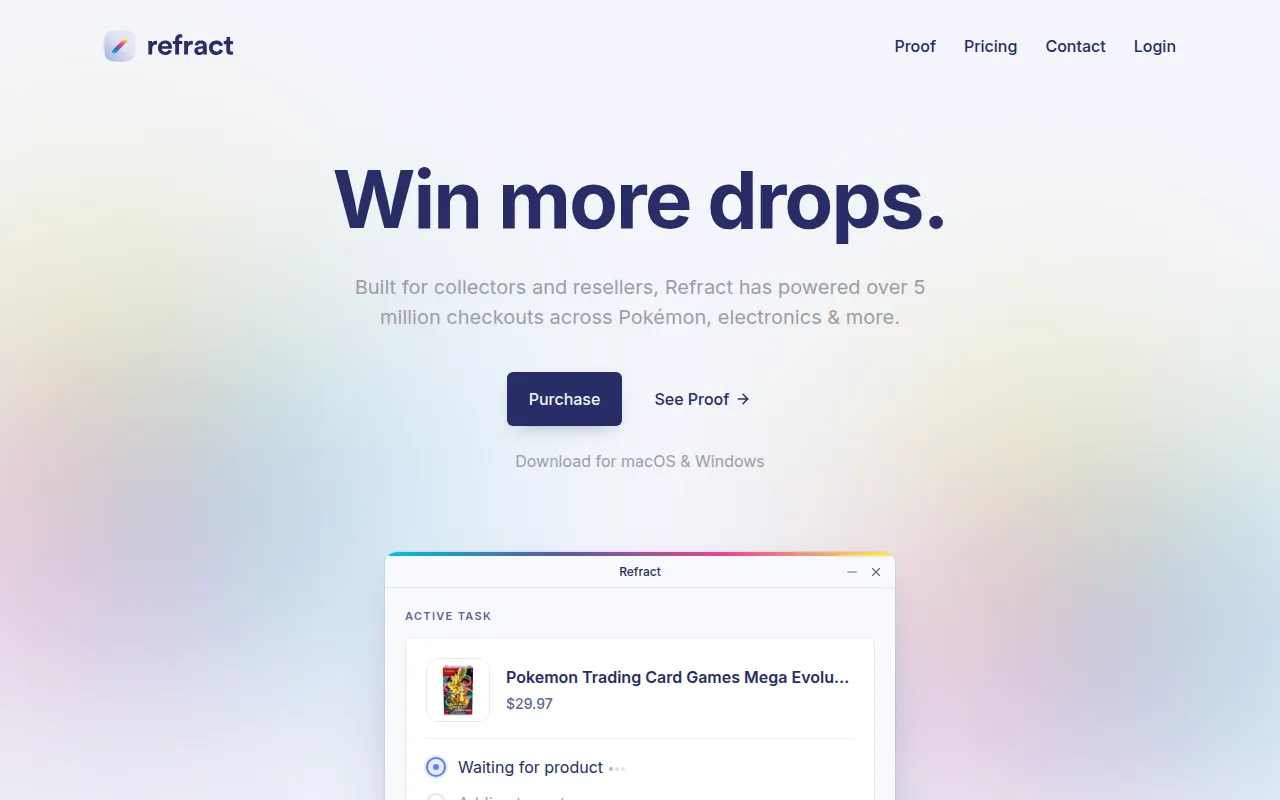

Refractbot
Refractbot is a retail bot designed to help users win drops for collectibles like Pokémon cards and electronics.
View Profile →Overview
This comparison article explores two distinct tools in the design and ecommerce sectors: Figma and Refractbot. Figma serves teams involved in UI/UX design through collaborative tools, while Refractbot is tailored for collectors seeking to secure drops of limited-edition items. This analysis will help design professionals and ecommerce enthusiasts make informed decisions based on their specific needs.
Figma Overview
Figma is a cloud-based collaborative design tool that enables teams to design, prototype, and share user interface and user experience designs in real-time. It is specifically designed for UI/UX designers, product teams, and anyone involved in digital product development. With Figma, users can create everything from wireframes to high-fidelity prototypes while collaborating seamlessly with others. One of its standout features is the ability to work simultaneously with team members, allowing for instant feedback and iteration, which is crucial in fast-paced development environments.
What sets Figma apart is its extensive library of plugins and integration capabilities with other design and productivity tools. For example, teams can easily integrate Figma with Slack for communication, or utilize plugins like Figmotion for animations. Figma’s vector graphic tools and design systems empower teams to maintain consistent branding and user experience across projects. Additionally, the freemium model is particularly appealing for startups or freelancers who wish to explore the tool before committing to a paid plan, making it a versatile choice for various design needs.
Refractbot Overview
Refractbot is an innovative retail bot specifically designed for collectors looking to secure drops of high-demand collectibles such as Pokémon cards and electronics. This tool automates the purchasing process, enabling users to increase their chances of successfully acquiring limited-edition items that often sell out quickly. Refractbot is particularly beneficial for avid collectors, resellers, and anyone who frequently participates in online product drops. By utilizing advanced algorithms, Refractbot can monitor multiple retail sites and execute purchases faster than the average user.
One of the primary advantages of Refractbot is its user-friendly interface, which allows users to set up alerts and configure settings with ease. The bot operates in the background, analyzing stock levels and predicting drop times, which can save users valuable time and effort. Although pricing details are not publicly available, the potential ROI for serious collectors and resellers can be significant, making it an attractive option for those deeply involved in the collectibles market. The automation capabilities and speed of Refractbot position it as a powerful ally for collectors aiming to secure hard-to-find items.
Feature Comparison
| Feature | Figma | Refractbot |
|---|---|---|
| Collaboration | Real-time collaboration with team members | Automated purchase capabilities |
| Prototyping | Interactive prototyping features | N/A |
| Plugins and Integrations | Wide variety of plugins available | Limited integrations, focused on ecommerce |
| User Interface | Intuitive design tools for UI/UX | User-friendly setup for monitoring drops |
| Version Control | Built-in version history and rollback | N/A |
| Learning Curve | Easy for beginners with ample resources | Requires some technical knowledge |
| Mobile Compatibility | Web-based; mobile access limited | Typically desktop-focused |
| Community Support | Robust community and resources available | Smaller community with niche focus |
| Security | Offers enterprise-level security options | Depends on retailer's security practices |
| Target Users | Design teams, freelancers, product managers | Collectors, resellers, ecommerce enthusiasts |
Pricing Comparison
Figma offers a freemium pricing model, allowing users to start for free with up to three projects. For teams needing more features, the Professional plan is priced at $15 per editor per month, offering additional collaboration and design tools. The Organization plan, ideal for larger teams or enterprises, costs $45 per editor per month and includes advanced security and administrative controls. This pricing structure provides flexibility, making it accessible for freelancers while also catering to the needs of larger organizations.
On the other hand, Refractbot does not publicly disclose its pricing information, which can be a drawback for potential users wanting to gauge its affordability. Interested users are encouraged to contact the company directly for specific pricing details, which may vary based on features and user requirements. This lack of transparency can make it challenging to compare value for money directly with Figma, which clearly outlines its pricing tiers. However, for collectors who frequently participate in drops, the potential return on investment may justify the cost.
Pros and Cons
Figma Pros and Cons
- Pro: Real-time collaboration enhances teamwork and feedback.
- Pro: Extensive library of plugins improves functionality and customization.
- Pro: Freemium model allows users to test features before committing.
- Con: Limited offline capabilities may hinder some users.
- Con: Can become expensive for larger teams on the Professional and Organization plans.
Refractbot Pros and Cons
- Pro: Automated purchasing increases chances of securing limited-edition items.
- Pro: User-friendly interface simplifies setup and monitoring.
- Pro: Targeted towards serious collectors, enhancing the buying experience.
- Con: Pricing information is not readily available, complicating budgeting.
- Con: May require technical knowledge to maximize effectiveness.
Which Should You Choose?
If you are a UI/UX designer or part of a product development team, Figma is the clear choice. Its collaborative features, extensive design tools, and robust community support make it an ideal platform for creating and refining digital products. The ability to prototype and gather real-time feedback significantly accelerates the design process, allowing teams to iterate effectively.
For collectors and resellers focused on acquiring rare items like Pokémon cards or electronics, Refractbot stands out as a valuable tool. Its automation capabilities and speed can give users an edge in highly competitive drops. However, potential users should be prepared to learn its functionalities, and they may need to contact the company for pricing, making it less transparent than Figma.
Freelancers who work on design projects may prefer Figma due to its freemium model, which allows them to explore the tool without financial commitment. On the other hand, serious collectors who regularly engage in drops may find the investment in Refractbot worthwhile, despite its lack of publicly available pricing. Ultimately, your decision should align with your primary needs—design or ecommerce.
Conclusion
In conclusion, both Figma and Refractbot serve distinct user bases with unique requirements. Figma excels in collaborative design, making it a go-to choice for UI/UX professionals, while Refractbot offers significant advantages for collectors aiming to secure high-demand items. Based on your specific needs—whether in design or ecommerce—each tool presents compelling benefits, so choose accordingly.
Frequently Asked Questions
Figma is better for teams focused on UI/UX design due to its real-time collaboration features, while Refractbot excels in helping collectors secure limited-edition drops. Your choice should align with your primary objective.
Figma offers a free tier with basic features, while paid plans start at $12 per editor per month, providing advanced capabilities. Refractbot typically charges a flat fee per use or subscription, depending on the features you require.
Figma is ideal for design teams needing to create and prototype interfaces collaboratively. In contrast, Refractbot is perfect for collectors looking to automate the purchase of limited-edition items from various online platforms.
Migrating from Figma to another design tool can be complex due to file compatibility, while transitioning from Refractbot to a different ecommerce tool requires evaluating how you manage drops and inventory. Consider your workflow before making the switch.
Figma's free plan allows for three projects and limited team collaboration, making it suitable for small teams or individual designers. Refractbot typically offers limited free trials or basic features, focusing more on premium services for collectors.
If your work involves visual design and collaboration, Figma is the clear choice. However, if you are primarily focused on securing rare items in ecommerce, Refractbot is more advantageous. Assess your primary needs to make the final decision.