Centurion
Contact for Pricing
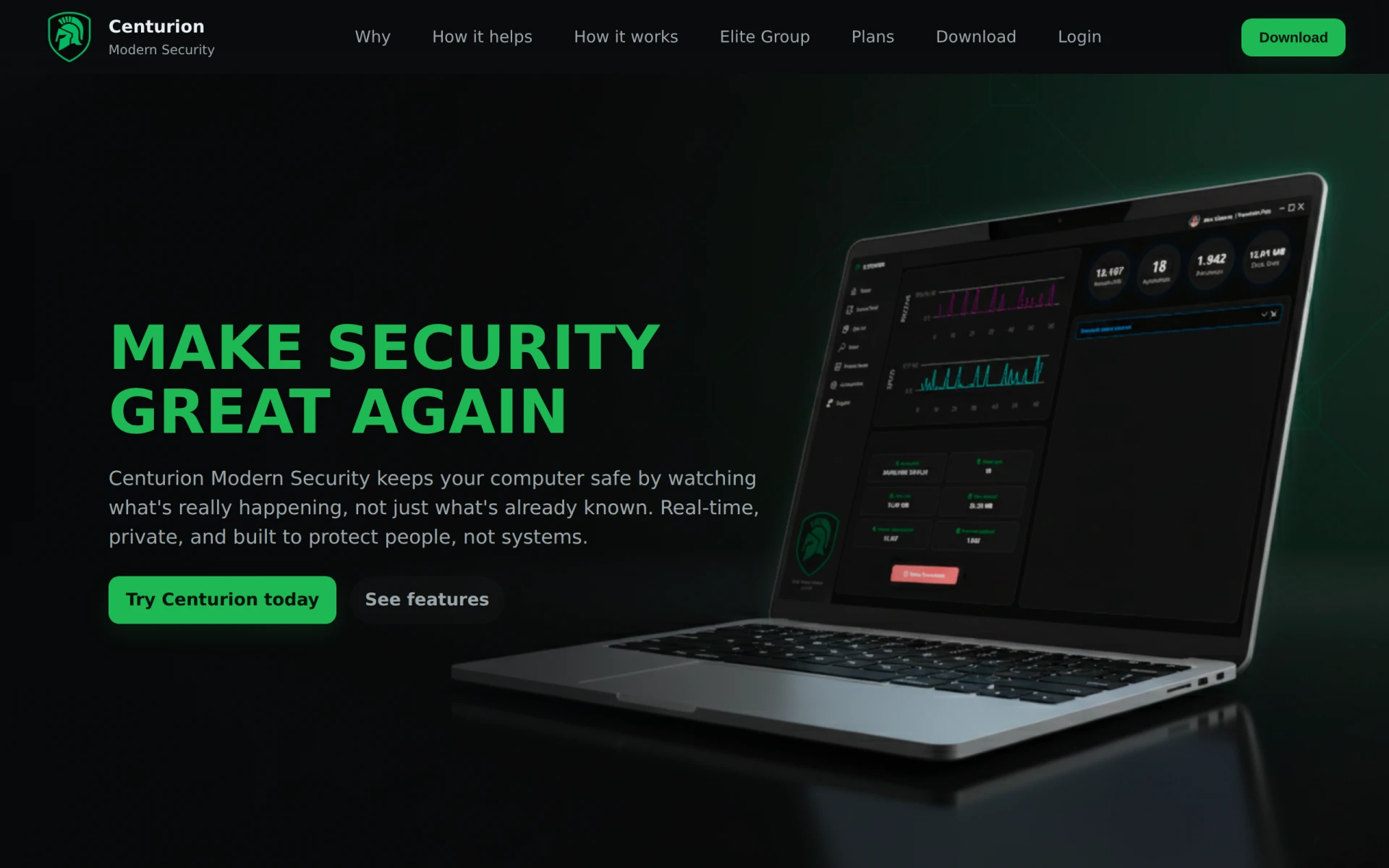
Centurion offers real-time, local-first cybersecurity protection against hacks, focusing on behavioral analysis.
 C
C
Cranium is an AI security and governance platform designed to help organizations manage AI risks and compliance effectively.
Cranium is a comprehensive AI security and governance platform tailored for organizations navigating the complexities of the agentic AI landscape. Its primary purpose is to facilitate end-to-end management of AI models, agents, and the entire AI supply chain, ensuring that enterprises can secure, monitor, and govern their AI implementations effectively. Cranium addresses critical challenges in AI security, compliance, and risk management, providing organizations with the tools they need to mitigate potential vulnerabilities and adhere to regulatory standards.
Cranium provides organizations with practical advantages in managing their AI assets. By enhancing AI security, it reduces the risk of data breaches and compliance violations, which can lead to financial penalties and reputational damage. The platform's governance tools enable businesses to establish clear policies and procedures for AI use, fostering accountability and transparency. Additionally, the risk management features help identify vulnerabilities early, allowing organizations to take proactive measures to protect their AI systems.
Cranium is particularly useful in various scenarios, such as:
Cranium is well-suited for organizations in regulated industries such as finance and healthcare, where compliance and risk management are paramount. It is ideal for security teams, compliance officers, and data governance professionals. However, smaller businesses with limited resources may find the comprehensive features overwhelming or unnecessary for their operations.
Pricing information is currently unavailable on Cranium's website.
Cranium stands out as a robust solution for organizations looking to secure and govern their AI initiatives. While it offers comprehensive features that address critical security and compliance challenges, potential users should evaluate whether the platform aligns with their specific needs and resources before making a decision.
Centurion offers real-time, local-first cybersecurity protection against hacks, focusing on behavioral analysis.
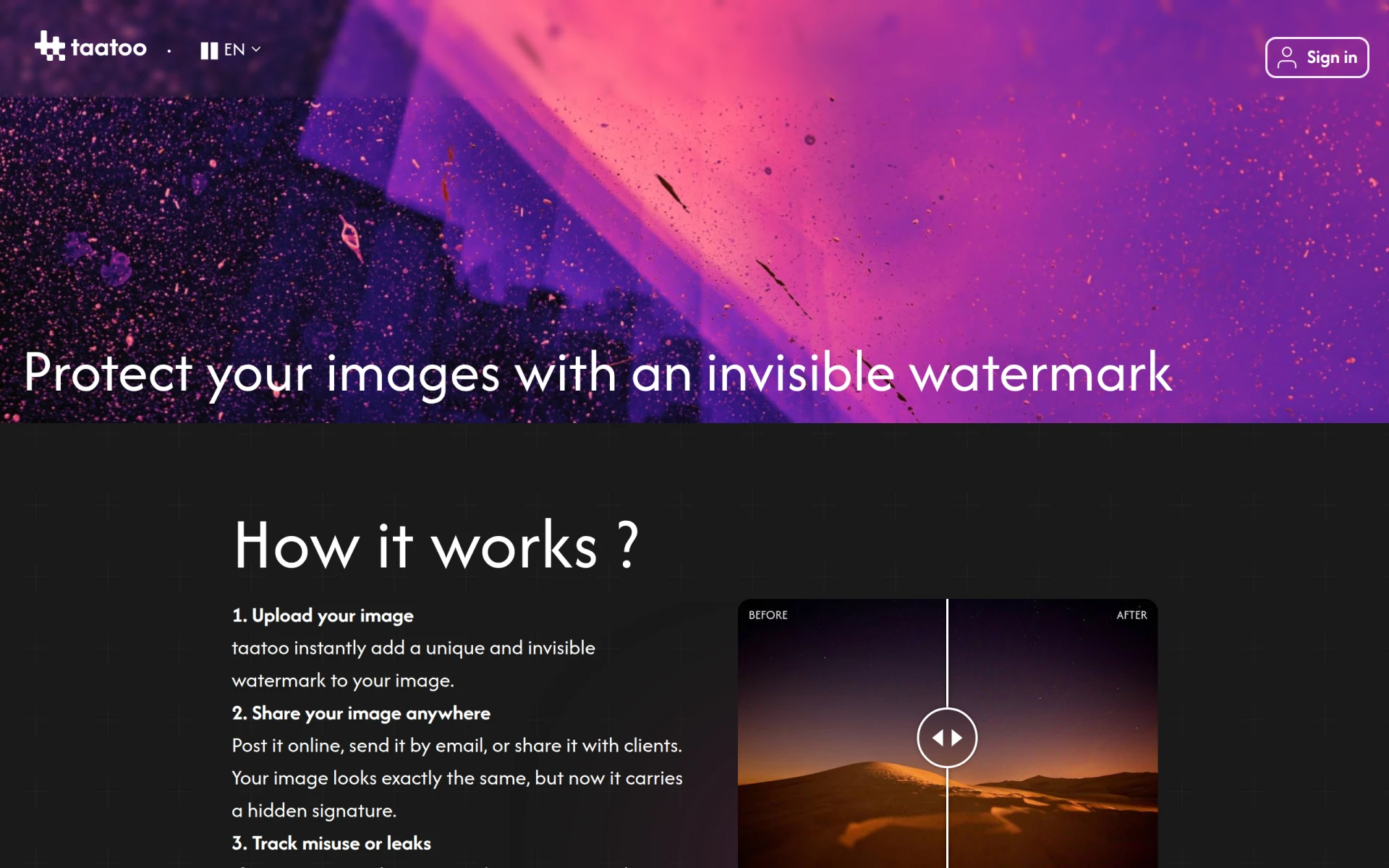
TaaToo offers invisible watermarking solutions to protect images and identify leaks effectively.
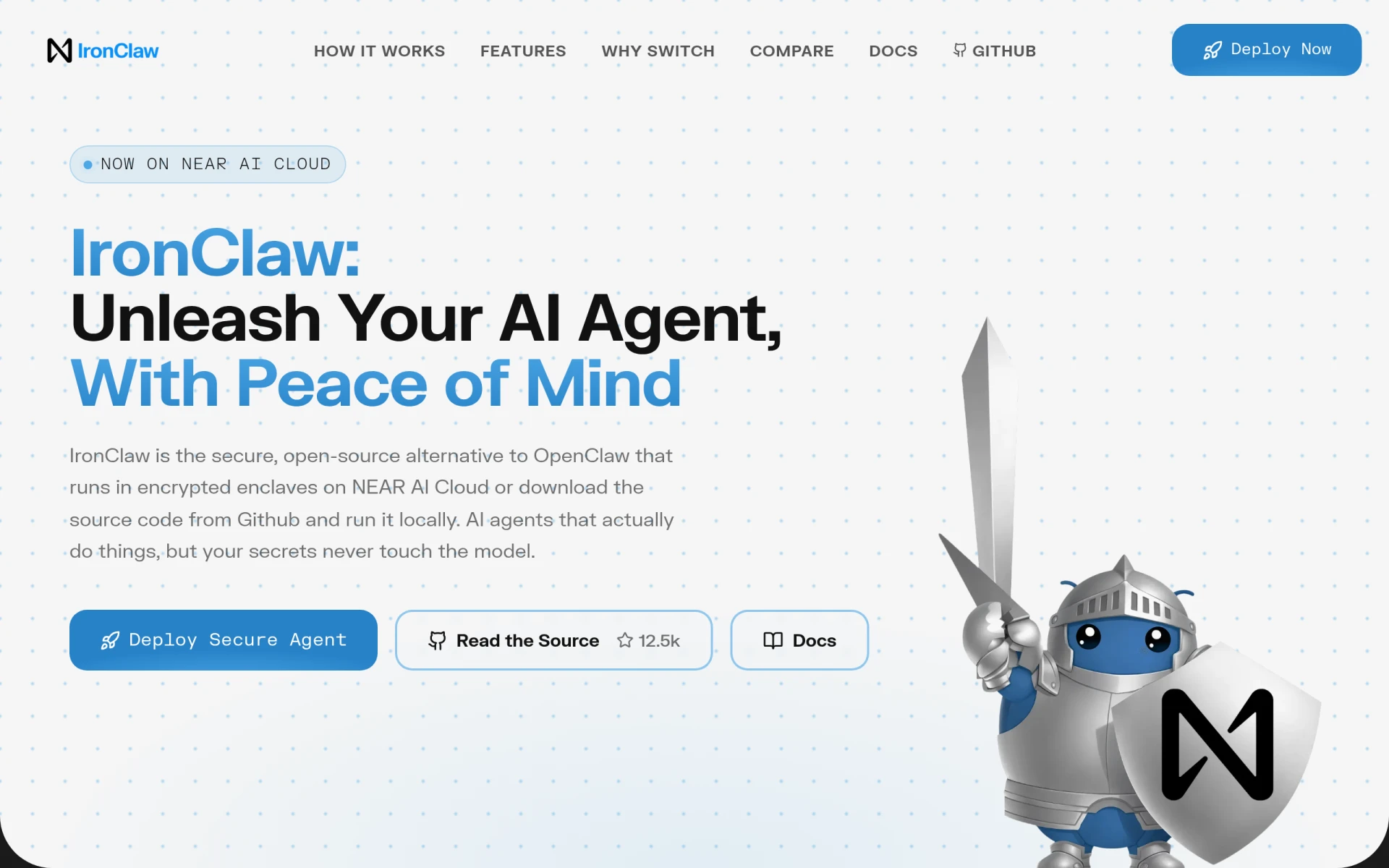
IronClaw is an open-source secure runtime that enables AI agents to operate within encrypted environments on the NEAR AI Cloud.
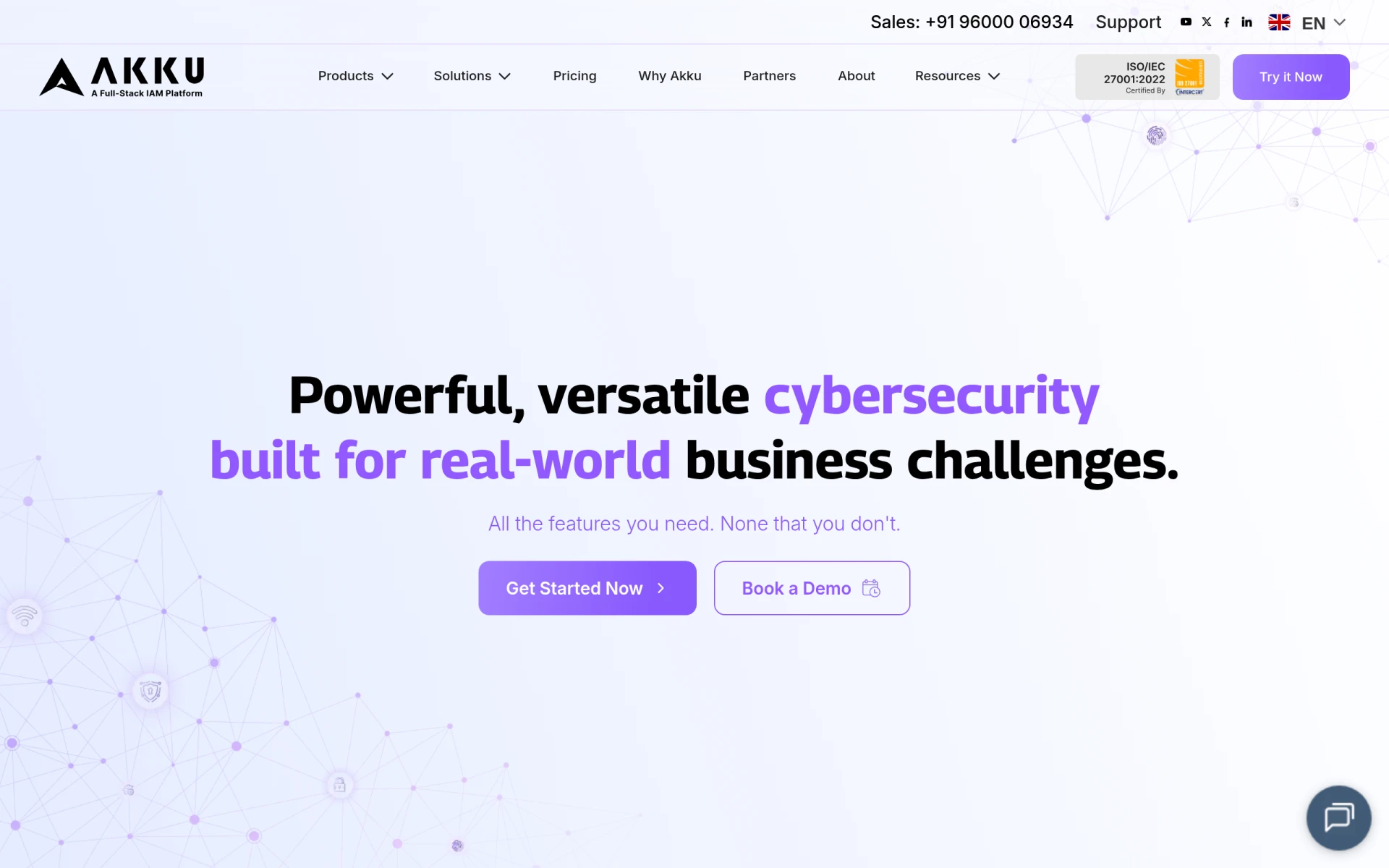
Akku is a comprehensive identity access management platform designed for enterprises to enhance security and streamline user access.
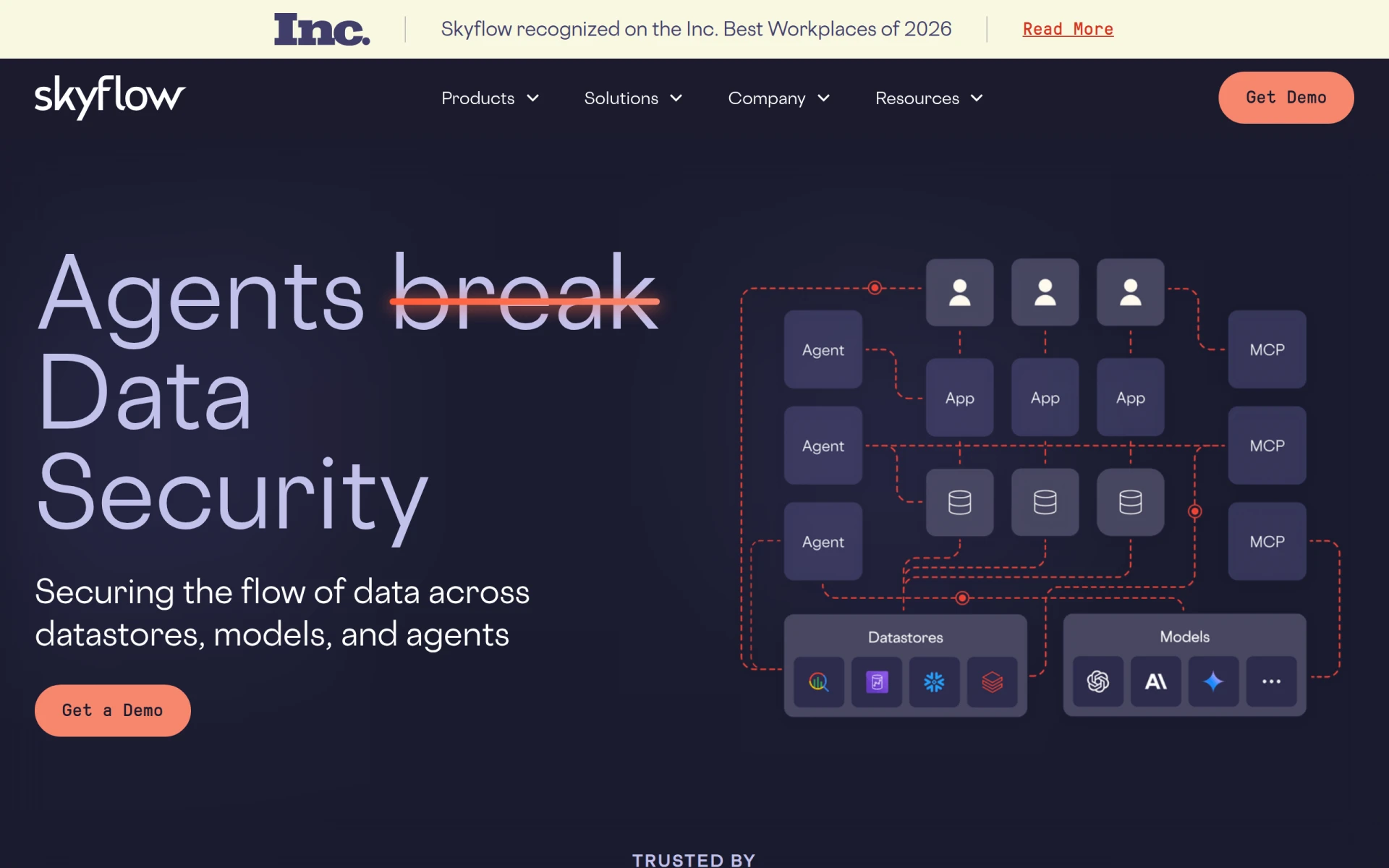
Skyflow provides runtime AI data control to secure sensitive data with a zero-trust vault architecture.
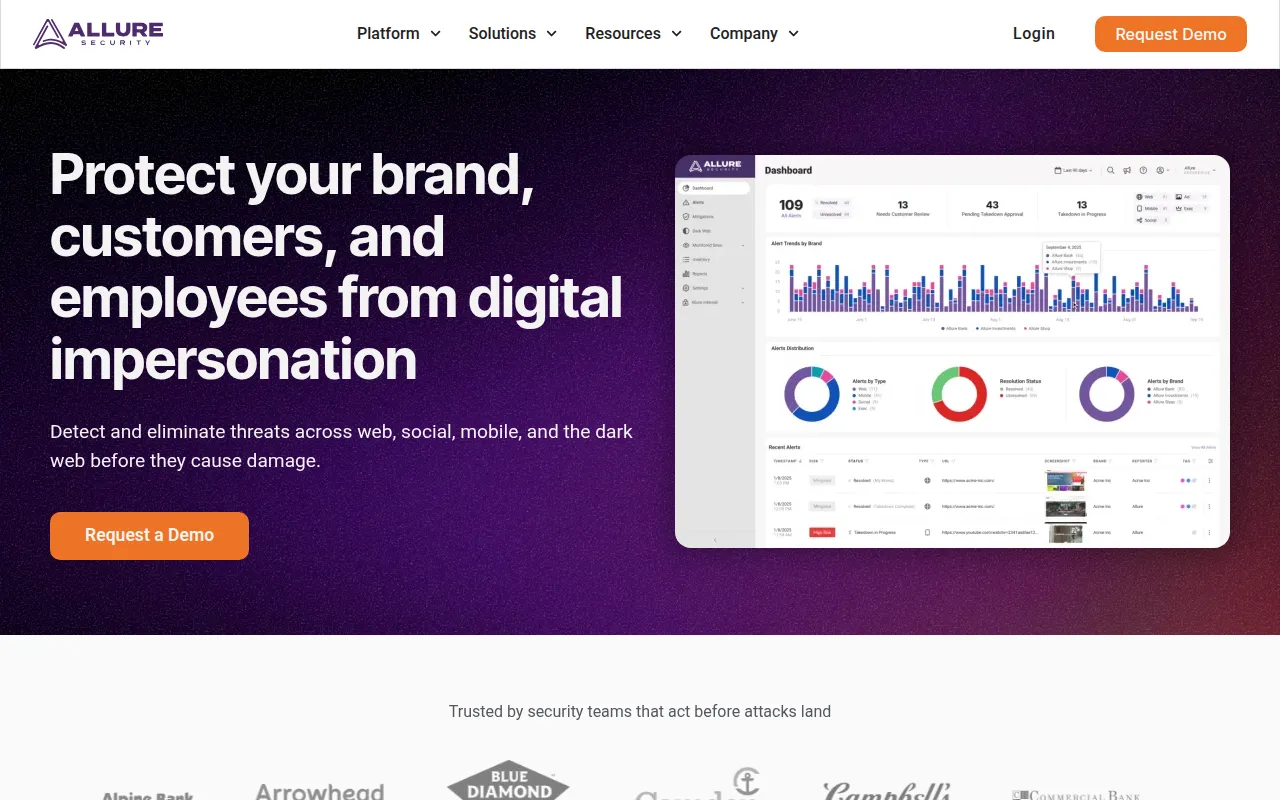
Allure Security Technology provides AI-powered brand protection against phishing and digital impersonation threats.
Best VPN Services for Remote Workers
For remote workers needing secure internet access while using public Wi-Fi.
Best Cybersecurity Tools for Healthcare Facilities
For healthcare administrators seeking to secure sensitive patient data from cyber threats.
Best Cybersecurity Tools for Small Healthcare Practices
For healthcare administrators seeking to protect patient data and comply with regulations.
Best Cybersecurity Tools for Small Law Firms
For small law firm managers seeking to protect client data and ensure compliance.
Best Cybersecurity Tools for E-commerce Platforms
For e-commerce managers seeking effective tools to safeguard customer transactions.
Ultimate Buying Guide for Security Tools in Healthcare
For healthcare IT managers focused on enhancing patient data security and compliance.
Weekly roundup of new AI tools, launches, and trending software. No spam — unsubscribe anytime.
No credit card required · Cancel anytime
Weekly roundup of new AI tools, launches, and trending software. No spam — unsubscribe anytime.
No credit card required · Cancel anytime