Overview
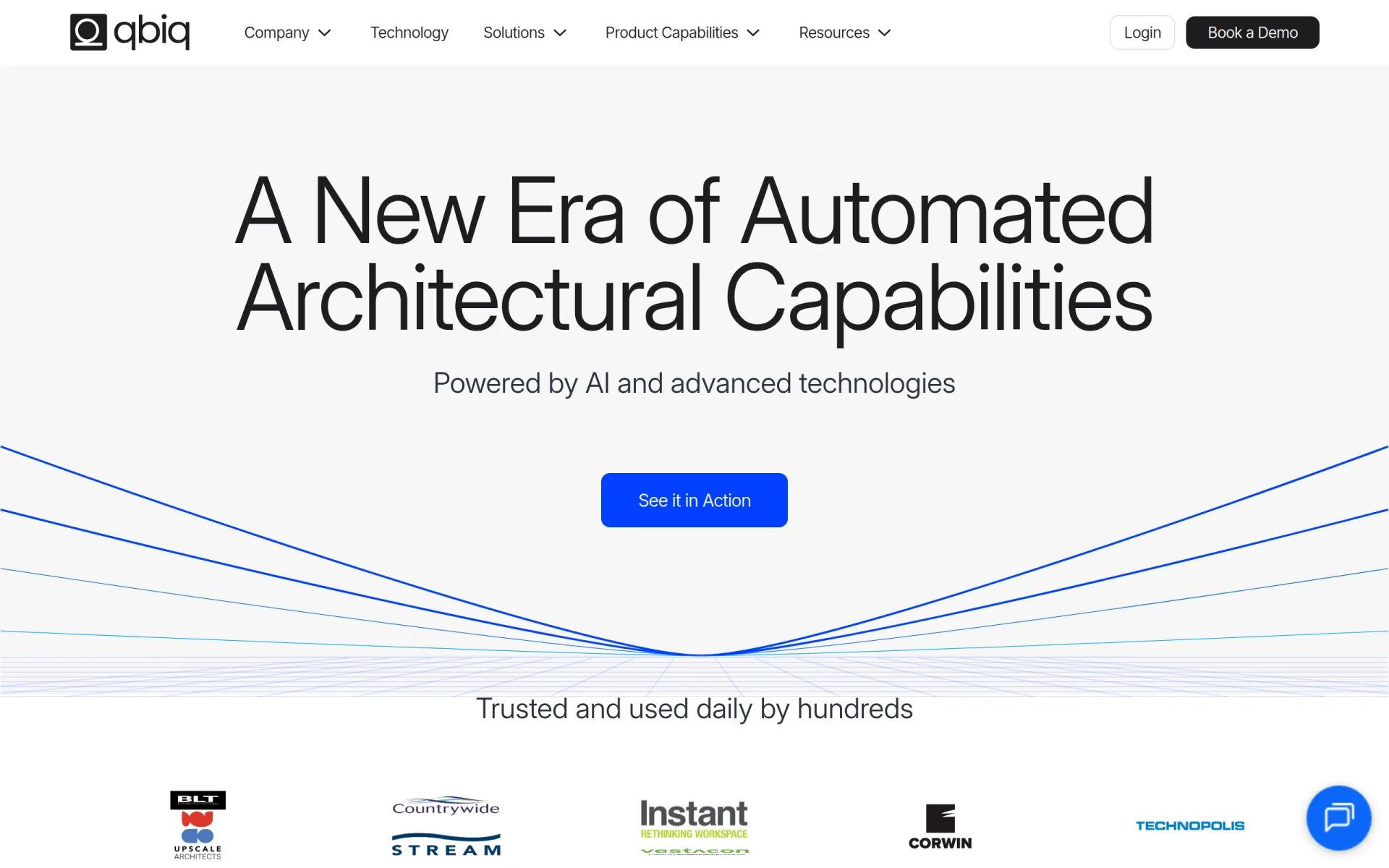
Qbiq is a sophisticated software solution that harnesses the power of artificial intelligence to revolutionize space planning and layout optimization specifically for real estate applications. Its primary purpose is to streamline the design process, allowing users to create detailed architectural layouts efficiently. Qbiq addresses the challenges faced in traditional architectural design processes, which can often be time-consuming and resource-intensive. By leveraging AI, it significantly reduces the time required to generate high-quality layouts, making it suitable for a variety of real estate projects.
Key Features
- AI-driven space planning
- Automated layout generation
- Interactive 3D fly-through visualization
- Advanced optimization algorithms
- Extensive library of pre-designed layouts
- Customizable templates for various projects
- Integration with existing architectural tools
- Multi-user collaboration capabilities
- Real-time feedback and design adjustments
- Analytics dashboard for project tracking
Benefits
Qbiq offers numerous practical advantages, especially for professionals in the architectural and real estate sectors. The primary benefit is the drastic reduction in design time, with layouts being generated in hours instead of weeks. This efficiency allows architects and planners to focus on creative aspects rather than getting bogged down in tedious design iterations. Additionally, the software democratizes access to advanced design tools, enabling both architects and non-architects to create functional spaces tailored to specific needs. The interactive visualization feature enhances client presentations, fostering better communication and understanding of design concepts.
Common Use Cases
Qbiq can be effectively employed in various scenarios, including:
- Real estate developers creating layouts for new residential or commercial projects.
- Interior designers optimizing space utilization for clients.
- Urban planners designing community spaces that require efficient use of land.
- Educational institutions planning classroom layouts for improved learning environments.
- Event planners designing layouts for large gatherings or conferences.
Who Should Use It
Ideal users of Qbiq include architects, real estate developers, interior designers, and urban planners who require efficient layout solutions. Additionally, marketing teams within real estate firms can utilize Qbiq for showcasing potential developments. However, users without a background in design may find the initial learning curve challenging, making it less suitable for casual users or those seeking simple layout tools.
Pricing Overview
Pricing information for Qbiq is currently unavailable on the website.
Conclusion
In summary, Qbiq represents a significant advancement in the field of AI space planning and layout optimization. Its robust feature set and efficiency make it a valuable tool for professionals in architecture and real estate. While it excels in automating the design process, potential users should consider their specific needs and the learning curve associated with the software before making a decision.