

Composio
Freemium
Composio is a developer tool that enables secure access to over 1,500 applications through an easy-to-use SDK.
 T
T
TensorFlow is an open-source machine learning platform designed to simplify the development and deployment of machine learning models.
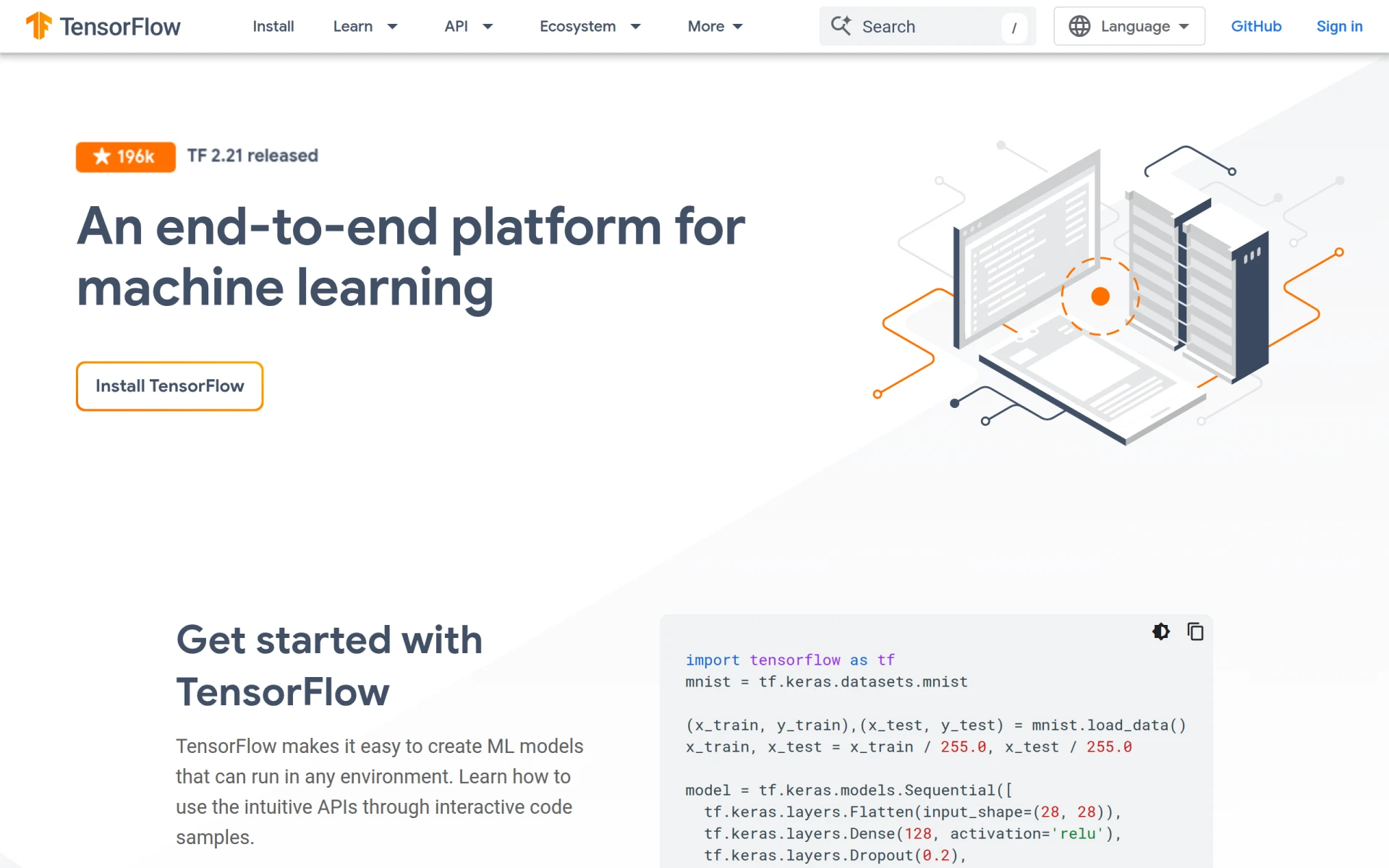
TensorFlow is an end-to-end open-source machine learning platform developed by Google. It provides a comprehensive ecosystem of tools and libraries that facilitate the implementation, training, and deployment of machine learning models. TensorFlow is designed to address the complexities involved in machine learning, making it accessible for both beginners and experienced practitioners. The platform is particularly effective in handling large datasets and complex computations, thus solving problems related to scalability and performance in machine learning tasks.
TensorFlow offers significant advantages for organizations looking to implement machine learning solutions. Its extensive community support and comprehensive documentation help users troubleshoot issues and accelerate their learning curve. The platform's flexibility allows developers to customize models to meet specific business needs, while its scalability ensures that models can handle increased loads as data grows. Additionally, TensorFlow's integration with various platforms and languages enhances its accessibility for diverse development environments.
TensorFlow is widely used in various industries and applications, including:
TensorFlow is ideal for data scientists, machine learning engineers, and researchers who require a powerful platform for developing machine learning models. It is also suitable for organizations with dedicated development teams that can leverage its advanced capabilities. However, it may not be the best fit for small businesses or individual users seeking a straightforward solution without extensive technical knowledge, as the learning curve can be steep for newcomers.
TensorFlow is free to use, as it is an open-source platform. However, costs may arise from cloud services or resources used for model training and deployment.
TensorFlow stands out as a robust and versatile machine learning platform that caters to a wide range of users and applications. Its comprehensive features, strong community support, and flexibility make it a valuable tool for implementing machine learning solutions. While it may not be the easiest option for beginners, those willing to invest time in learning will find it a powerful asset in their software toolkit.
Composio is a developer tool that enables secure access to over 1,500 applications through an easy-to-use SDK.
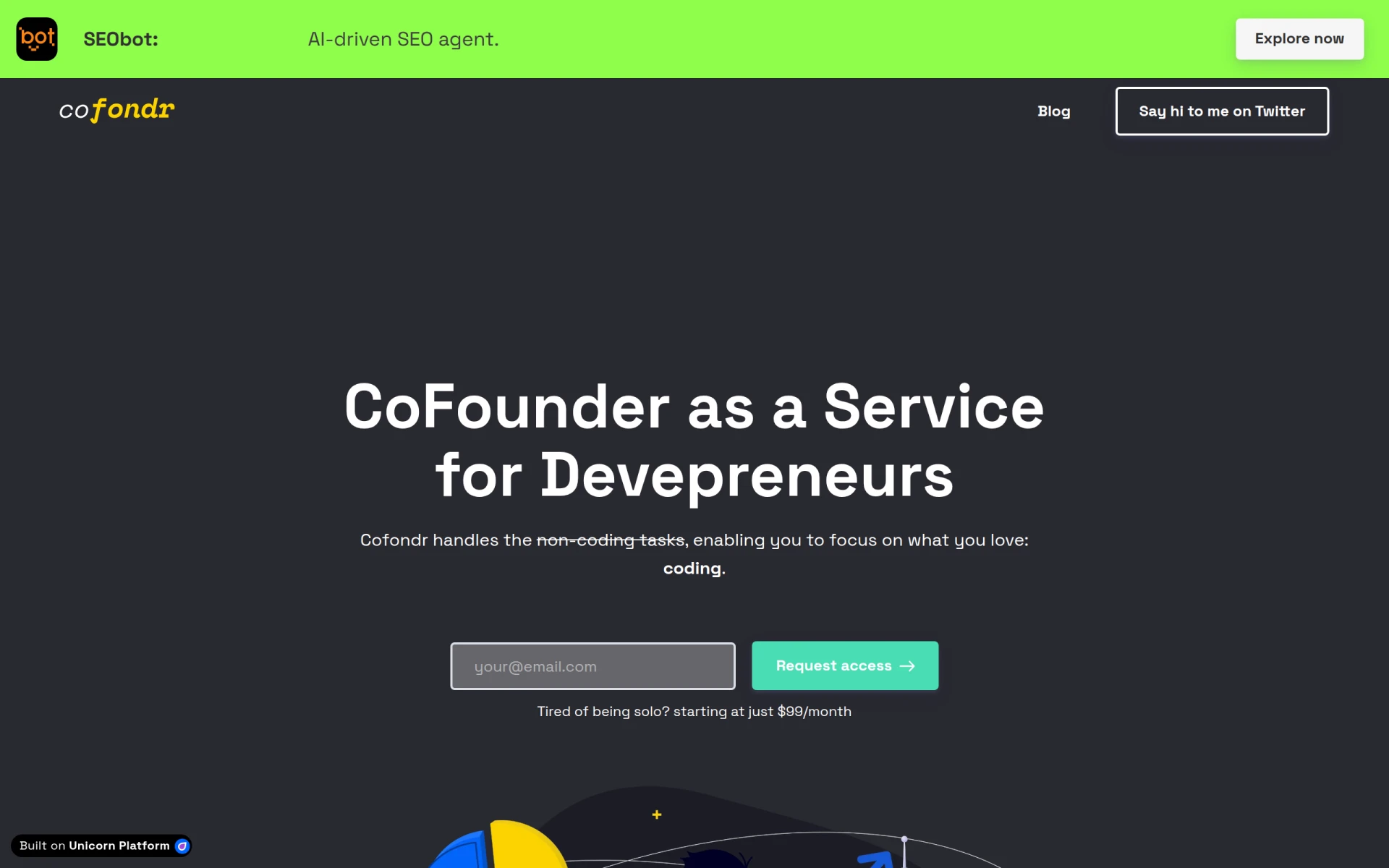
Cofondr simplifies non-coding tasks for developers, allowing them to focus on coding and marketing.
CodeMerge is a collaborative development tool designed to streamline code integration and version control for software teams.
Coding Assistant is a developer tool designed to enhance coding efficiency and accuracy through intelligent code suggestions and problem-solving.
ClutchClick offers custom app, website, and AI tool development with a senior-led team for streamlined project delivery.
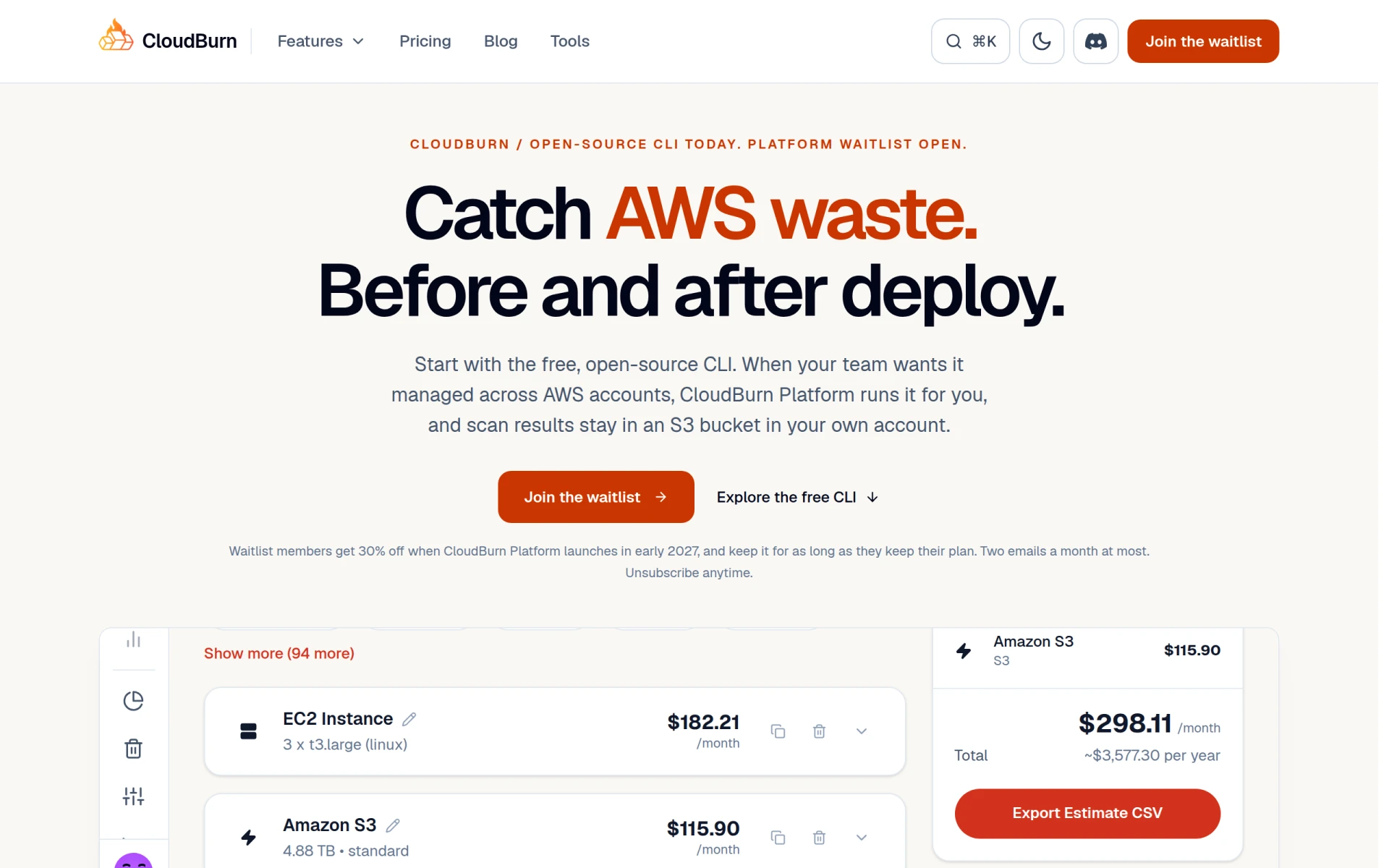
CloudBurn helps identify and optimize AWS costs through a free, open-source CLI tool for effective resource management.
Weekly roundup of new AI tools, launches, and trending software. No spam — unsubscribe anytime.
No credit card required · Cancel anytime
Weekly roundup of new AI tools, launches, and trending software. No spam — unsubscribe anytime.
No credit card required · Cancel anytime