
Kai
Freemium
AI
Kai is an AI-powered mental health support tool designed to provide accessible psychological assistance.
Finding the right AI tools for mental health support can be overwhelming. Discover effective solutions to enhance patient engagement.
Finding effective tools to assist in mental health treatment can be challenging. As a mental health professional, your priority is to support your patients while managing your own workload and ensuring effective communication. AI tools can help bridge the gap, but understanding which ones meet your needs can be daunting.
The landscape of mental health care is rapidly evolving, with an increasing number of patients seeking help for anxiety, depression, and other issues. Mental health professionals often find their plates overflowing, juggling appointments, paperwork, and patient needs. As demand for services grows, finding effective tools that streamline workflows and enhance patient interactions becomes crucial. Many professionals struggle to identify reliable solutions that not only support patient care but also address their administrative burdens, leading to feelings of overwhelm and frustration.
Kai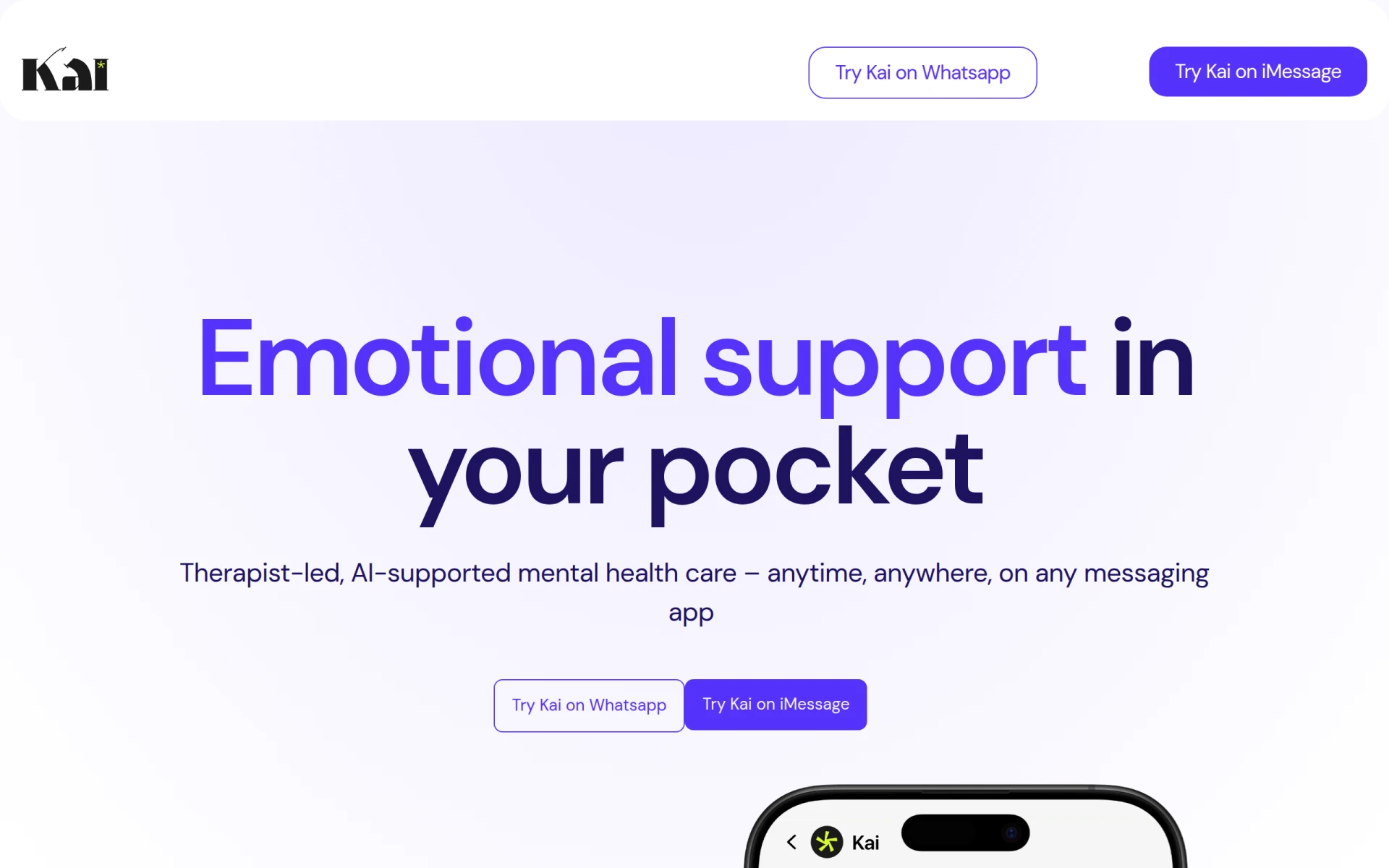 is an AI-powered mental health support tool designed to provide accessible psychological assistance. It stands out for its focus on anonymity and personalized conversations, making it ideal for individuals who may feel hesitant to seek help in traditional settings. With its mood tracking feature, Kai helps users understand and manage their emotional well-being more effectively.
Additionally, Kai offers resource recommendations tailored to individual needs, which can be a great asset for mental health professionals looking to provide additional support to their patients. Its freemium model allows users to explore its features before committing to any payment.
Pricing: Freemium - Pricing information for Kai is currently unavailable. Best for: Individuals seeking accessible mental health support, young adults navigating stress and anxiety, students dealing with academic pressure.
Hippocratic AI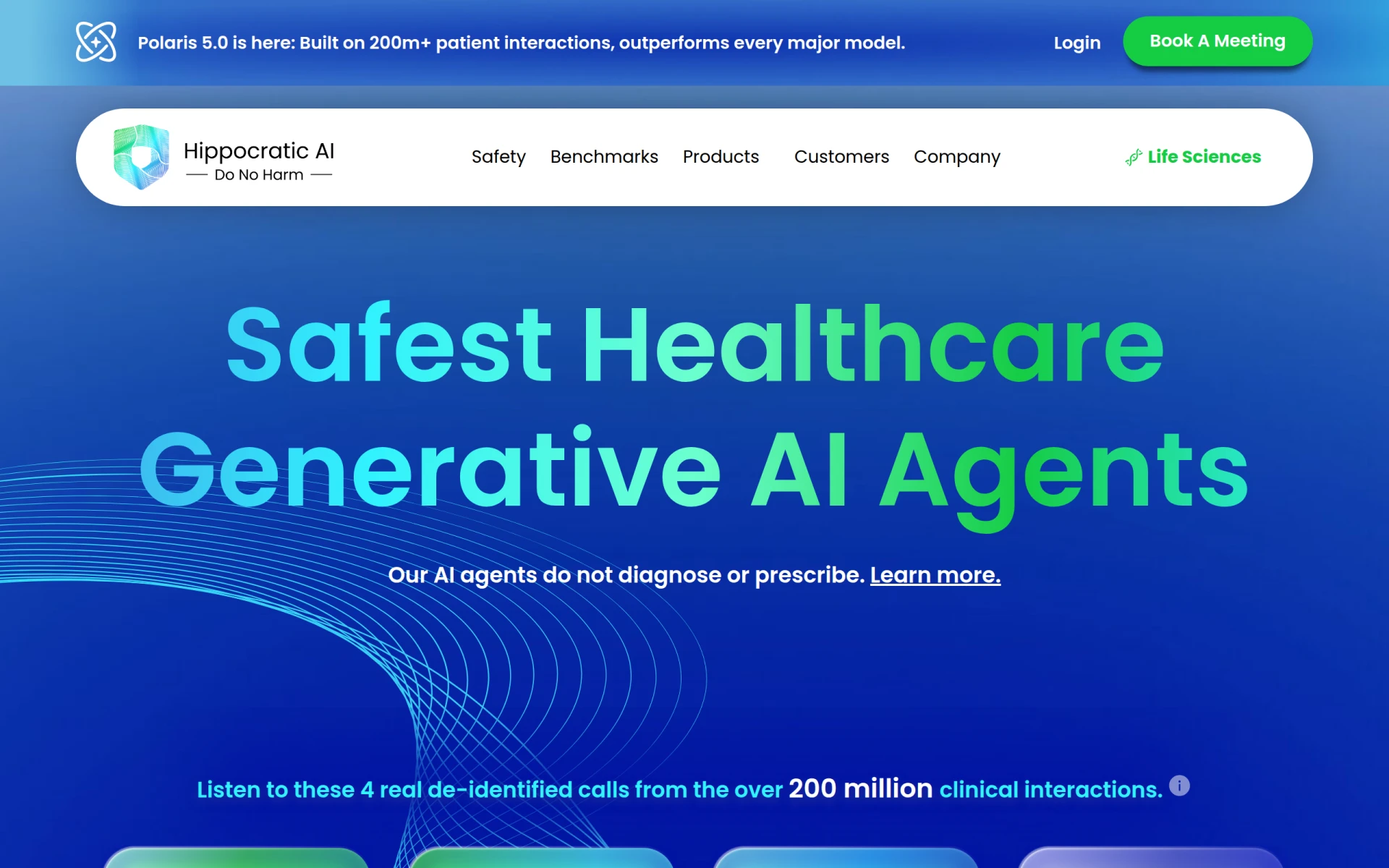 offers a generative AI healthcare agent that enhances patient interaction and accessibility within health systems and pharmaceutical settings. This tool leverages natural language processing to analyze clinical interactions, making it a powerful ally for healthcare providers seeking to improve patient engagement. Its capabilities include drug identification assistance, which can be valuable for professionals needing quick access to medication information.
This tool is particularly beneficial for hospitals aiming to enhance communication efficiency, ensuring that patients receive timely information and support throughout their care journey. However, it is important to note that pricing details are not publicly available, which may require interested professionals to reach out for more information.
Pricing: Contact - Pricing information for Hippocratic AI is not publicly available. Best for: Healthcare providers looking to enhance patient engagement, hospitals aiming to improve communication efficiency, pharmaceutical companies wanting to support patient education.
Infinitus Systems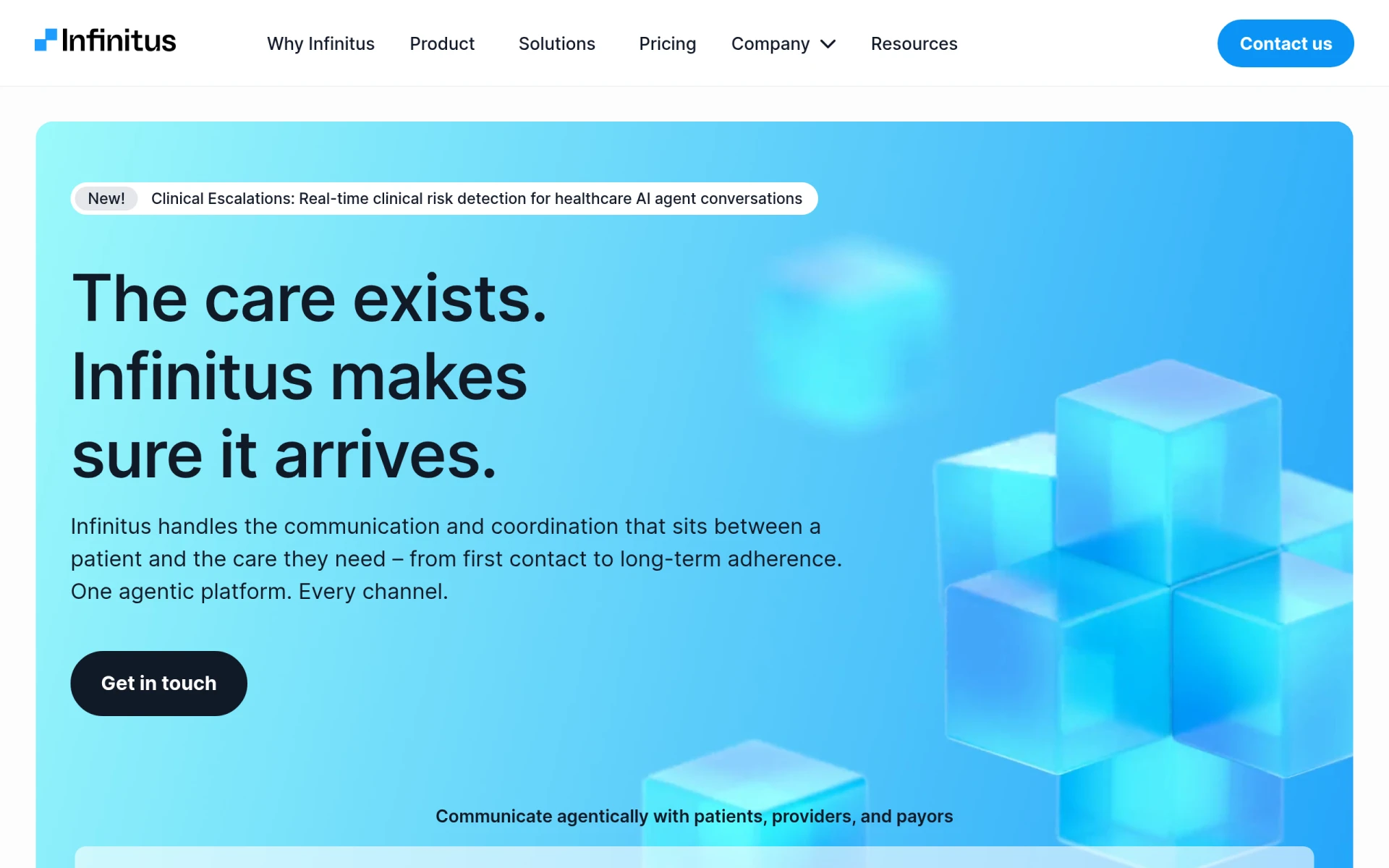 automates healthcare communication through AI agents, significantly enhancing patient care by reducing administrative burdens. This tool is particularly beneficial for healthcare providers overwhelmed by the volume of patient interactions they need to manage. By automating tasks such as benefit verification and prior authorization follow-ups, Infinitus allows professionals to focus more on patient care rather than paperwork.
Additionally, Infinitus offers real-time clinical risk detection, equipping healthcare providers with critical information that can impact treatment decisions. However, interested users will need to contact the company for pricing details, which could be a limitation for some.
Pricing: Contact - Pricing details are available upon request from the company. Best for: Hospitals looking to streamline patient communication, clinics aiming to improve administrative efficiency, telehealth services wanting to enhance patient experience.
Woebot Health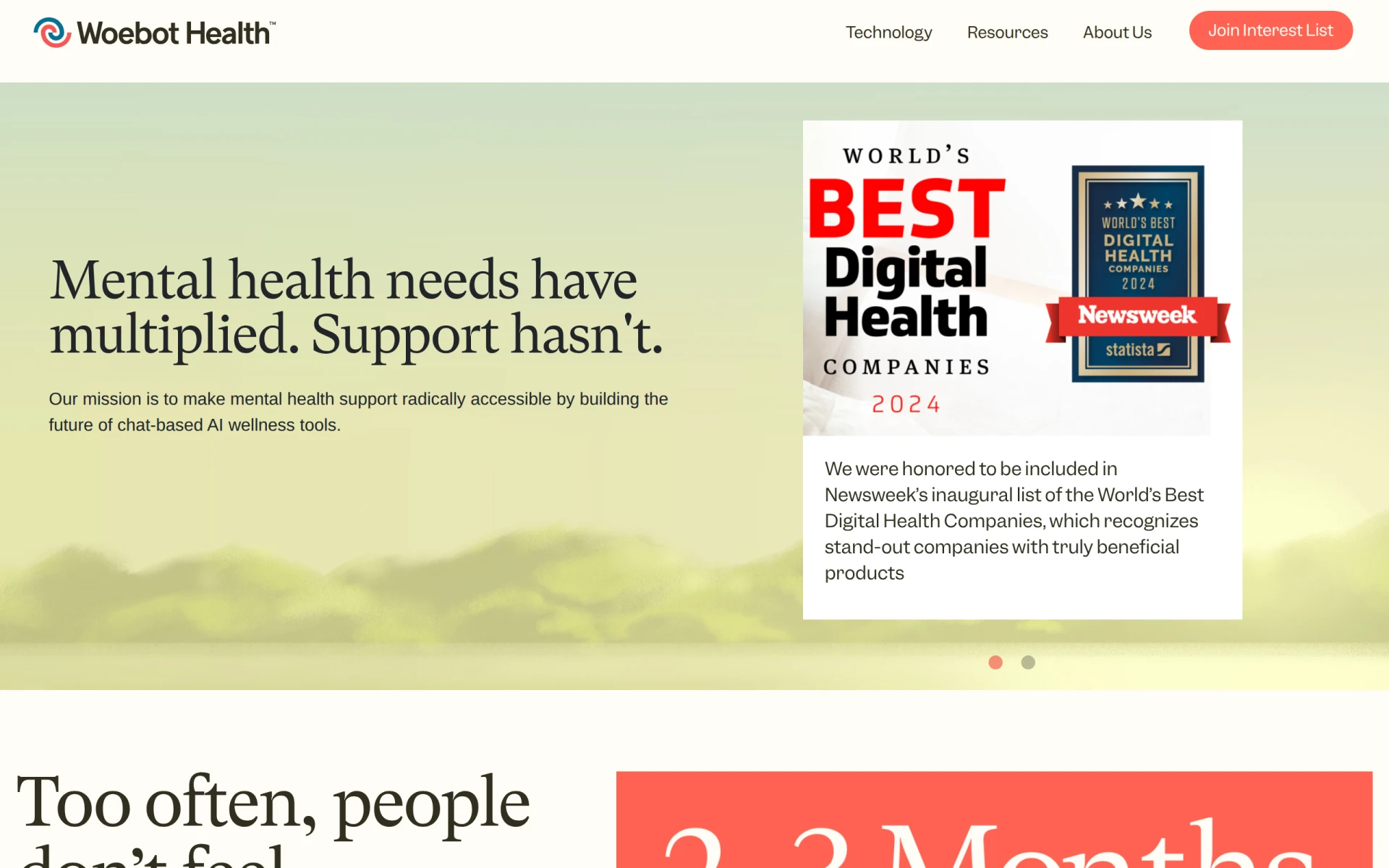 is an AI-driven chatbot that provides mental health support through engaging conversational interactions. This tool is designed to offer personalized mental health insights, making it a valuable resource for busy professionals and students facing emotional challenges. Woebot is available 24/7, ensuring that users have access to support whenever they need it, which can be a game changer in urgent situations.
What sets Woebot apart is its use of evidence-based therapeutic techniques, allowing users to experience effective mental health support in a convenient format. While the freemium model is appealing, specific pricing details are currently not publicly available, which may be a consideration for potential users.
Pricing: Freemium - Pricing information for Woebot Health is currently not publicly available. Best for: Individuals seeking accessible mental health support, busy professionals looking for stress management, students facing anxiety or emotional challenges.
Clarion automates phone-based workflows using conversational AI, significantly enhancing efficiency in healthcare communication. This tool is particularly useful for practices burdened by high call volumes, as it can automate appointment reminders and follow-up calls. By reducing the strain on administrative staff, Clarion allows healthcare providers to focus on delivering quality patient care.
With customizable scripting for specific workflows, Clarion can adapt to the unique needs of various practices, which is a significant advantage. However, like other tools, pricing information is not publicly available, which may require prospective users to reach out for quotes.
Pricing: Contact - Pricing information for Clarion is not publicly available. Best for: Healthcare providers looking to reduce administrative overhead and improve patient communication, practices in need of efficient workflow solutions to manage high call volumes.
CoSupport AI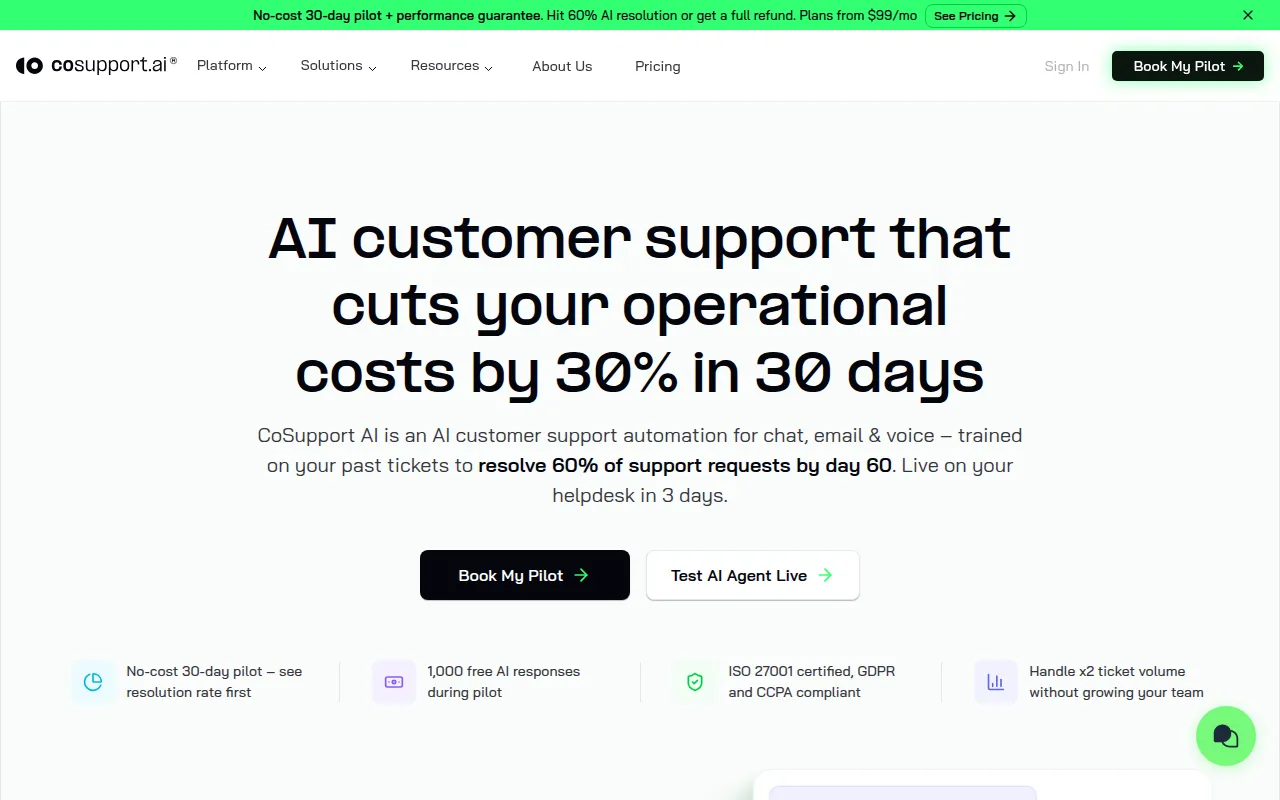 is a help desk software designed to enhance customer support using AI-driven automation and analytics. While primarily aimed at businesses, its capabilities can be adapted to mental health practices looking to streamline their patient support interactions. This tool features an AI-powered ticketing system that can categorize and respond to common patient inquiries, significantly improving response times and customer satisfaction.
CoSupport AI's performance analytics allow healthcare providers to track interaction success and identify areas for improvement. The freemium model makes it accessible for smaller practices, although specific pricing details remain unavailable.
Pricing: Freemium - Pricing information for CoSupport AI is currently unavailable. Best for: Small businesses looking to optimize customer support, e-commerce companies managing high volumes of inquiries, IT service desks handling technical support requests.
Luminai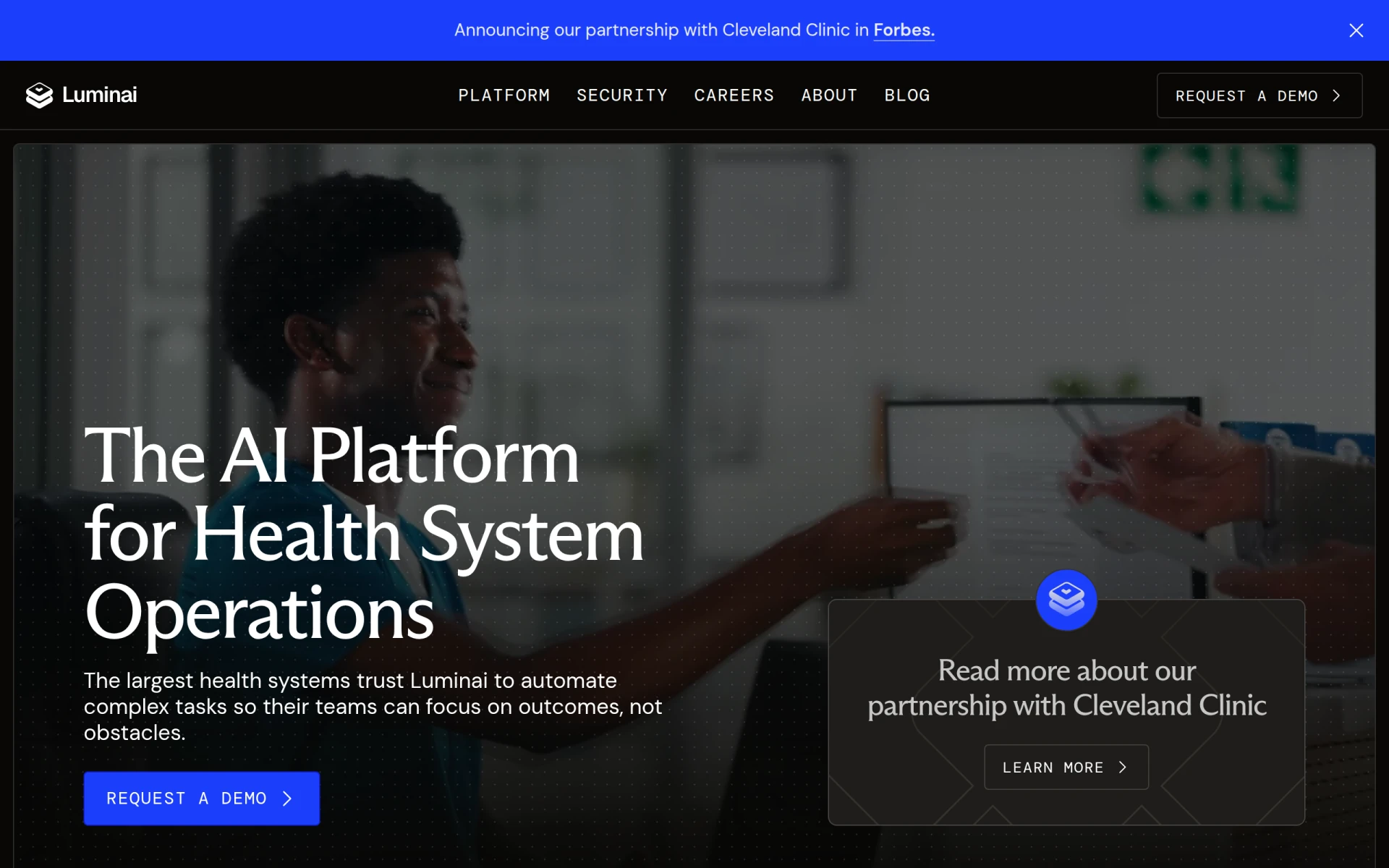 automates complex healthcare operations, enabling teams to focus on patient outcomes rather than administrative tasks. This tool is particularly valuable for large hospitals and health systems that require efficient management of referrals and patient registrations. By streamlining operational tasks, Luminai enhances the overall patient experience and reduces the risk of errors in the administrative process.
Its features include referral intake and provider inbox automation, which are crucial for improving operational efficiency. However, interested users will need to contact Luminai for pricing details, which could be a drawback.
Pricing: Contact - Pricing details are available upon request from the company. Best for: Large hospitals, health systems needing operational efficiency, healthcare teams focused on improving patient care.
Abby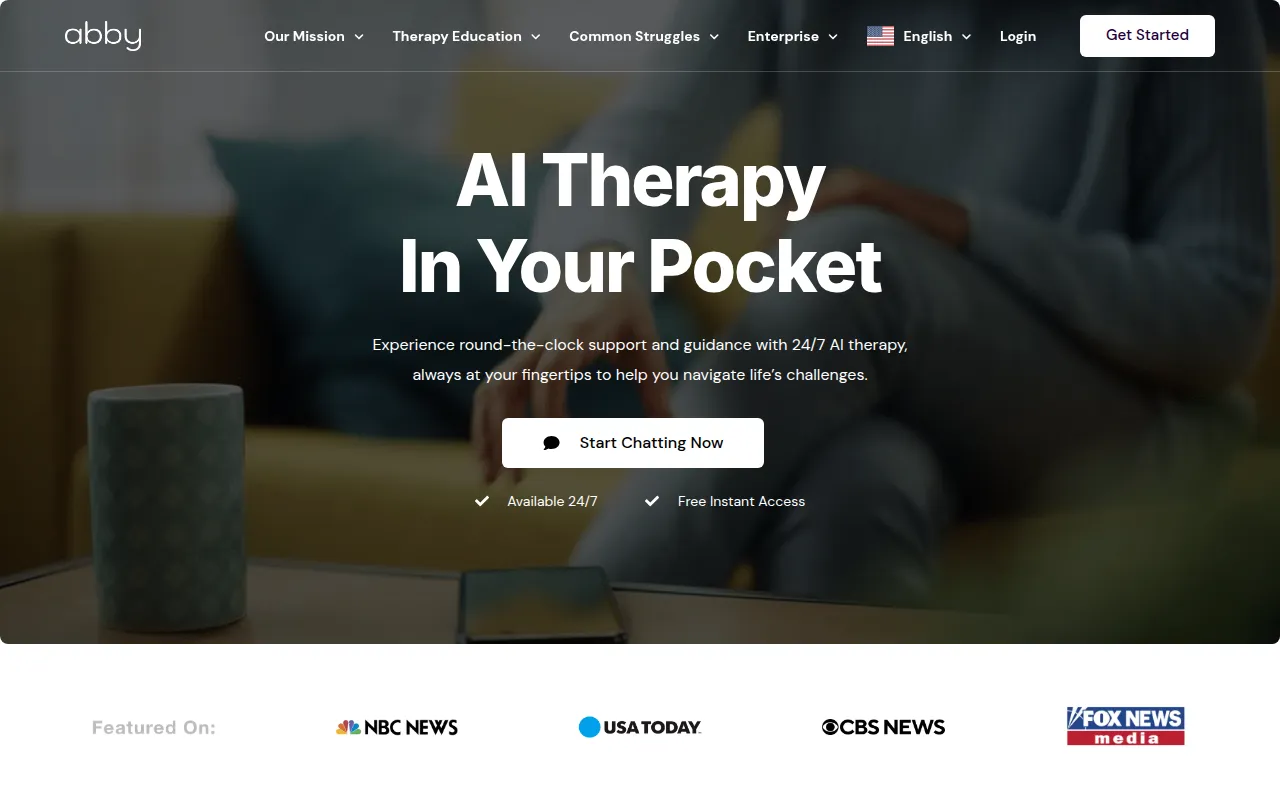 is an AI-driven therapy tool designed to provide mental health support and guidance around the clock. Its 24/7 availability makes it an excellent choice for individuals seeking flexible support, especially those experiencing mild to moderate stress or anxiety. Abby's user-friendly interface and mood tracking features are designed to help users monitor their emotional well-being effectively.
This tool offers a free trial, allowing potential users to explore its features without commitment, although specific pricing details are not publicly available. Abby can be particularly beneficial for students dealing with academic pressures, as it provides immediate support during stressful periods.
Pricing: Free - Abby offers a free trial, but specific pricing details are not publicly available. Best for: Individuals seeking flexible mental health support, people experiencing mild to moderate stress or anxiety, students dealing with academic pressures.
Carepatron is an appointment scheduling tool designed for healthcare professionals to manage bookings efficiently. With features like calendar integration and patient reminders, this tool helps practices keep track of appointments and ensure patients are informed about their upcoming visits. Carepatron's online booking capability is especially beneficial for telehealth services, allowing patients to schedule appointments at their convenience.
The freemium pricing model, starting at $1 for the first month, makes Carepatron accessible for private practices and clinics managing high volumes of patient appointments. However, additional pricing details should be checked on their website for further options.
Pricing: Freemium - Carepatron offers a first-month promotional price of $1 with additional pricing details available on their website. Best for: Private practices looking to streamline scheduling, clinics managing a high volume of patient appointments, telehealth services needing online booking capabilities.
| Tool | Best For | Starting Price | Rating |
|---|---|---|---|
| Kai | Accessible mental health support | Freemium | 0.0/5 |
| Hippocratic AI | Enhancing patient interaction | Contact | 0.0/5 |
| Infinitus Systems | Automating healthcare communication | Contact | 0.0/5 |
| Woebot Health | Conversational mental health support | Freemium | 0.0/5 |
| Clarion | Streamlining phone-based workflows | Contact | 0.0/5 |
| CoSupport AI | Customer support automation | Freemium | 0.0/5 |
| Luminai | Automating healthcare operations | Contact | 0.0/5 |
| Abby | Flexible mental health support | Free | 0.0/5 |
| Carepatron | Efficient appointment scheduling | Freemium | 0.0/5 |
For beginners, Abby is the ideal choice due to its user-friendly interface and 24/7 availability. The free trial allows new users to explore the tool without any financial commitment, making it a safe starting point for those looking to offer mental health support.
The best choice for professionals is Hippocratic AI, which offers advanced features like natural language processing and clinical interaction analysis. These capabilities empower healthcare providers to enhance patient engagement and streamline communication effectively.
Kai stands out as the best value pick with its freemium model, providing accessible mental health support without upfront costs. This cost-effective solution allows users to explore its features and benefits before making a financial commitment, ensuring a good return on investment.
Finding the right AI tools can significantly enhance your ability to support and engage with patients in mental health care. By exploring these options, you can streamline your practice, improve communication, and provide better care to those who need it.
Kai is an AI-powered mental health support tool designed to provide accessible psychological assistance.
Hippocratic AI offers a generative AI healthcare agent designed to enhance patient interaction and accessibility in health systems and pharma.
Infinitus Systems automates healthcare communication with AI agents, enhancing patient care and reducing administrative burdens.
Woebot Health is an AI-driven chatbot designed to provide mental health support through conversational interactions.
Clarion automates phone-based workflows using conversational AI, enhancing efficiency in healthcare communication.
CoSupport AI is a help desk software designed to enhance customer support using AI-driven automation and analytics.
Luminai automates complex healthcare operations, enabling teams to focus on patient outcomes over administrative tasks.
Abby is an AI-driven therapy tool designed to provide mental health support and guidance, available 24/7.
Carepatron is an appointment scheduling tool designed for healthcare professionals to manage bookings efficiently.
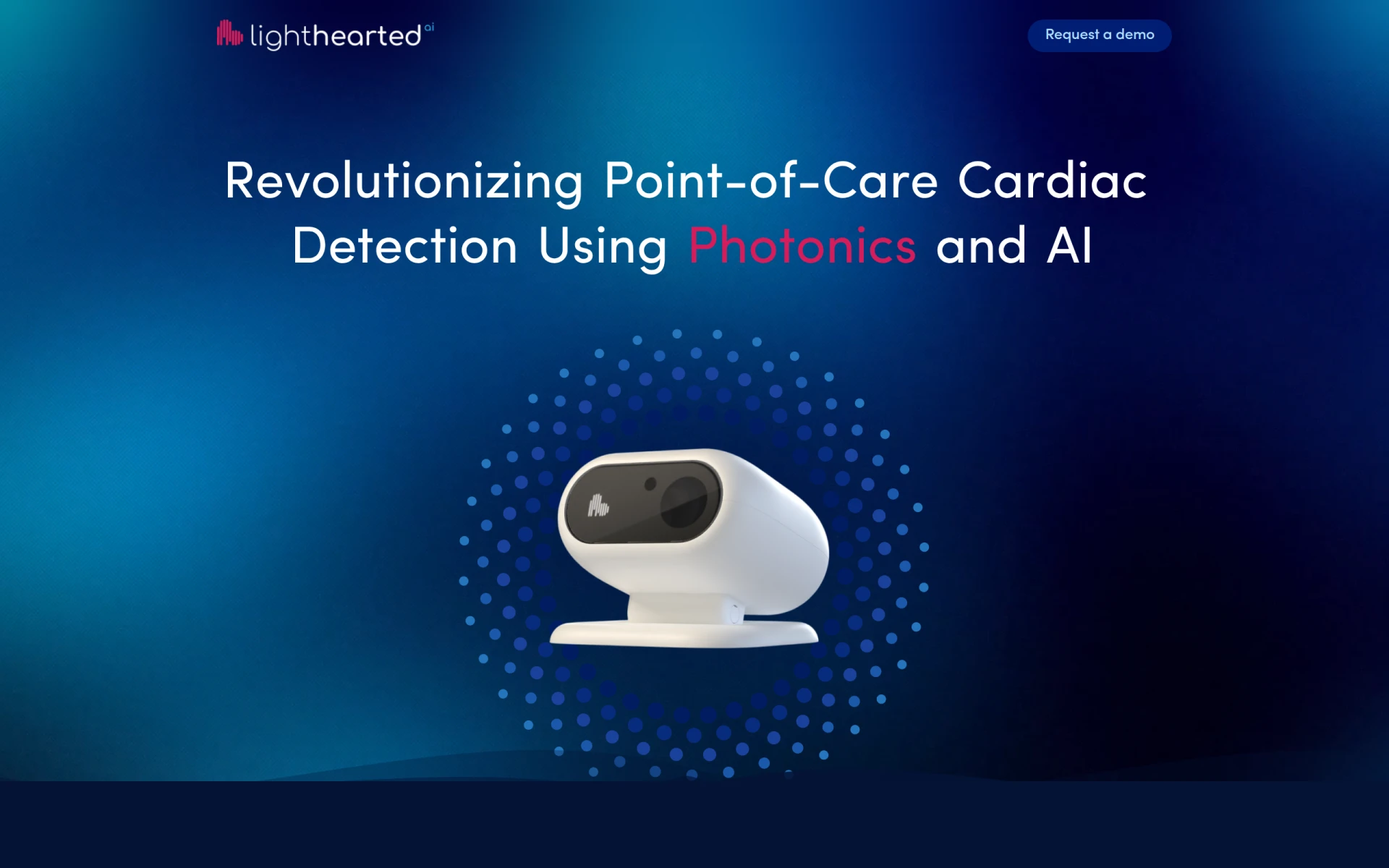
LightHearted AI uses advanced photonics technology to enhance cardiac care through timely diagnostics.
Some of the best AI tools for mental health professionals include Kai, Woebot Health, and Hippocratic AI. Each tool offers unique features designed to enhance patient support, streamline communication, and provide accessible mental health resources.
Pricing for AI tools varies widely. Some tools like Kai and Woebot Health offer freemium models, while others like Hippocratic AI and Infinitus Systems require you to contact them for pricing information. It is important to assess the features offered to determine the value for your specific needs.
Abby is the best choice for beginners due to its user-friendly interface and 24/7 availability. Its free trial allows users to explore its features without financial commitment, making it an ideal starting point.
AI tools can improve patient engagement by providing personalized support, enhancing communication, and facilitating access to mental health resources. Tools like Woebot Health and Hippocratic AI leverage conversational AI to foster meaningful interactions with patients.
When choosing an AI tool for mental health, consider factors such as ease of use, patient engagement features, data security, integration capabilities, and cost-effectiveness. These criteria will help ensure the tool meets both your needs and those of your patients.
Yes, AI tools like Infinitus Systems and Clarion can automate administrative tasks such as appointment scheduling, patient follow-ups, and communication management. This allows mental health professionals to focus more on direct patient care.
AI tools can be effective as supplemental resources for mental health treatment. They provide accessible support, enhance communication, and offer personalized insights. However, they should not replace traditional therapy or medical advice from qualified professionals.
Weekly roundup of new AI tools, launches, and trending software. No spam — unsubscribe anytime.
No credit card required · Cancel anytime
What's inside
The Ultimate Guide to Automating E-commerce Customer Support
Oct 12, 2026 · Business
Best AI Tools for Healthcare Administrators: Streamline Patient Management
Oct 12, 2026 · AI Tools
Top E-commerce Automation Tools for Streamlining Operations
Oct 11, 2026 · Business
Weekly roundup of new AI tools, launches, and trending software. No spam — unsubscribe anytime.
No credit card required · Cancel anytime
What's inside
The Ultimate Guide to Automating E-commerce Customer Support
Oct 12, 2026 · Business
Best AI Tools for Healthcare Administrators: Streamline Patient Management
Oct 12, 2026 · AI Tools
Top E-commerce Automation Tools for Streamlining Operations
Oct 11, 2026 · Business