Top AI Tools for Automating HR Recruitment in 2026
Introduction
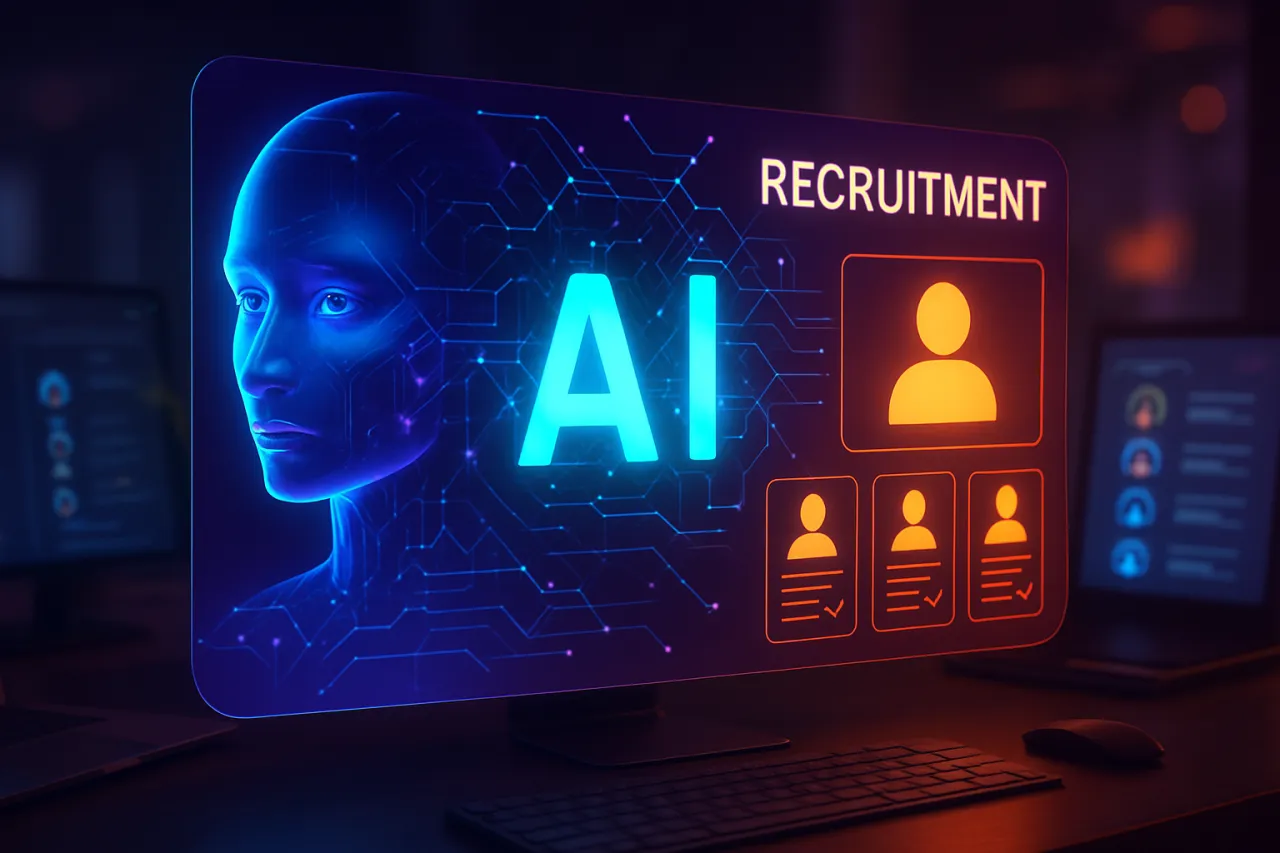
In an ever-evolving job market, the importance of efficient recruitment processes cannot be overstated. The integration of AI tools into HR recruitment has emerged as a game-changing strategy for companies seeking to enhance their hiring efficiency and streamline candidate evaluation. By automating repetitive tasks, these tools allow HR professionals to focus on strategic decision-making, ultimately leading to better hiring outcomes.
This article explores the best AI recruitment tools of 2026, detailing how these solutions enhance various aspects of the recruitment process. Readers will gain insights into the strengths and limitations of each tool, enabling them to make informed decisions when choosing the right technology for their HR needs.
What Is AI Recruitment?
AI recruitment refers to the use of artificial intelligence technologies to enhance the hiring process. This encompasses a variety of applications, including candidate sourcing, resume screening, interview scheduling, and even candidate assessment. The primary goal of AI recruitment tools is to improve efficiency, reduce biases, and enhance the overall candidate experience.
AI recruitment tools analyze vast amounts of data to identify suitable candidates based on predefined criteria, thus minimizing human error and bias. By leveraging machine learning algorithms, these tools can continuously improve their recommendations, ensuring that HR teams remain competitive in the talent acquisition landscape.
Why It Matters
The recruitment process is often lengthy and resource-intensive, leading to missed opportunities and frustrated candidates. As companies strive to attract top talent, the adoption of AI recruitment tools can significantly enhance recruitment efficiency by automating mundane tasks and providing data-driven insights. This not only saves time but also improves the quality of hires, which is crucial in a time when the demand for skilled professionals outstrips supply.
Best Software / Methods / Strategies
1. CitoHR
Overview
CitoHR is an AI-driven platform designed to automate various HR functions, with a strong focus on recruitment. It uses machine learning algorithms to analyze job descriptions and match them with candidate profiles, streamlining the hiring process.
Strengths
- Intuitive user interface
- Robust data analysis capabilities
- Customizable workflows
Limitations
- May require initial setup time
- Pricing can be on the higher side for startups
Best for
Mid to large enterprises looking for comprehensive HR solutions.
Pricing overview
Pricing details are available upon request, with options for monthly subscriptions based on features.
2. Kula
Overview
Kula is an applicant tracking system (ATS) that leverages AI to enhance the recruitment workflow. It helps HR teams manage candidates more effectively from application to hire, automating feedback and communication.
Strengths
- Excellent candidate management features
- Integration with popular job boards
- Automated interview scheduling
Limitations
- Limited customization options
- May not suit smaller businesses with simpler needs
Best for
Organizations with high-volume recruitment needs.
Pricing overview
Offers tiered pricing plans based on the number of users and features required.
3. Pymetrics
Overview
Pymetrics utilizes neuroscience-based games and AI to assess candidates' soft skills and cognitive abilities, matching them with job roles that suit their profiles.
Strengths
- Innovative assessment methodologies
- Reduces bias in candidate evaluation
- Engaging candidate experience
Limitations
- Requires candidates to engage in gamified assessments, which may not appeal to all
- Implementation can be complex for HR teams
Best for
Companies focused on cultural fit and soft skill assessments.
Pricing overview
Pricing information is typically customized based on company size and needs.
4. HireVue
Overview
HireVue combines video interviewing with AI assessments to evaluate candidates' skills and fit for roles more effectively. Its platform uses predictive analytics to improve hiring outcomes.
Strengths
- Comprehensive video assessment tools
- Real-time feedback for candidates
- Strong analytics capabilities
Limitations
- Video aspect may deter some candidates
- Higher cost compared to traditional interviewing methods
Best for
Companies looking to innovate their interviewing process.
Pricing overview
Custom pricing based on features and volume of users.
How to Choose the Right Solution
When selecting an AI recruitment tool, consider the following criteria:
- Specific Needs: Identify the specific challenges your organization faces in recruitment.
- Integration: Ensure the tool integrates well with your existing HR systems.
- Scalability: Choose a solution that can grow with your organization.
- User Experience: Opt for tools that provide a user-friendly interface for both HR teams and candidates.
- Support and Training: Assess the level of customer support and training provided by the vendor.
Common Mistakes
- Overlooking User Adoption: Failing to involve HR teams in the selection process can lead to poor adoption rates.
- Neglecting Data Privacy: Ensure that any AI tool complies with data protection regulations to safeguard candidate information.
- Ignoring Integration Needs: Not considering how a new tool will integrate with existing systems can cause operational disruptions.
Frequently Asked Questions
1. What are AI recruitment tools?
AI recruitment tools are software solutions that use artificial intelligence to automate and enhance various aspects of the hiring process, from sourcing to evaluation.
2. How do AI recruitment tools improve efficiency?
These tools automate repetitive tasks, provide data-driven insights, and streamline candidate evaluation, saving time and resources in the recruitment process.
3. Are AI recruitment tools suitable for small businesses?
Yes, there are AI recruitment tools designed specifically for small businesses, offering scalable solutions that fit their needs and budget.
4. Can AI recruitment tools eliminate bias in hiring?
While they can help reduce bias by standardizing evaluation criteria, it is essential to monitor and adjust algorithms to ensure fairness continually.
5. How much do AI recruitment tools cost?
Pricing varies widely based on features and company size, with some tools offering tiered subscription models for different needs.
Conclusion
The incorporation of AI tools into HR recruitment is not merely a trend but a significant shift in how organizations approach hiring. By understanding the strengths and limitations of various AI recruitment tools, HR professionals can select solutions that best meet their needs, enhance efficiency, and improve candidate experience. As the recruitment landscape continues to evolve, leveraging these technologies will be essential for companies looking to stay competitive in attracting top talent.
About the Author
SaaS Analyst
Benjamin Parker brings 6 years of industry experience to every review. Specializing in Video Editing, He cuts through the marketing noise to deliver honest, practical insights.