Best CRM Software for Small Businesses in 2024
Introduction
In the fast-paced world of small business, effective customer relationship management (CRM) is crucial. As companies strive to enhance customer interactions while maintaining budget constraints, selecting the right CRM software becomes a vital decision. This article will guide you through the best CRM tools available for small businesses in 2024, focusing on features that cater specifically to their unique needs.
By understanding the distinct functionalities of various CRM systems, small business owners can make informed choices that not only meet their current requirements but also support future growth. You will learn about essential features, pricing structures, and user experiences to help you evaluate your options.
What Is CRM Software?
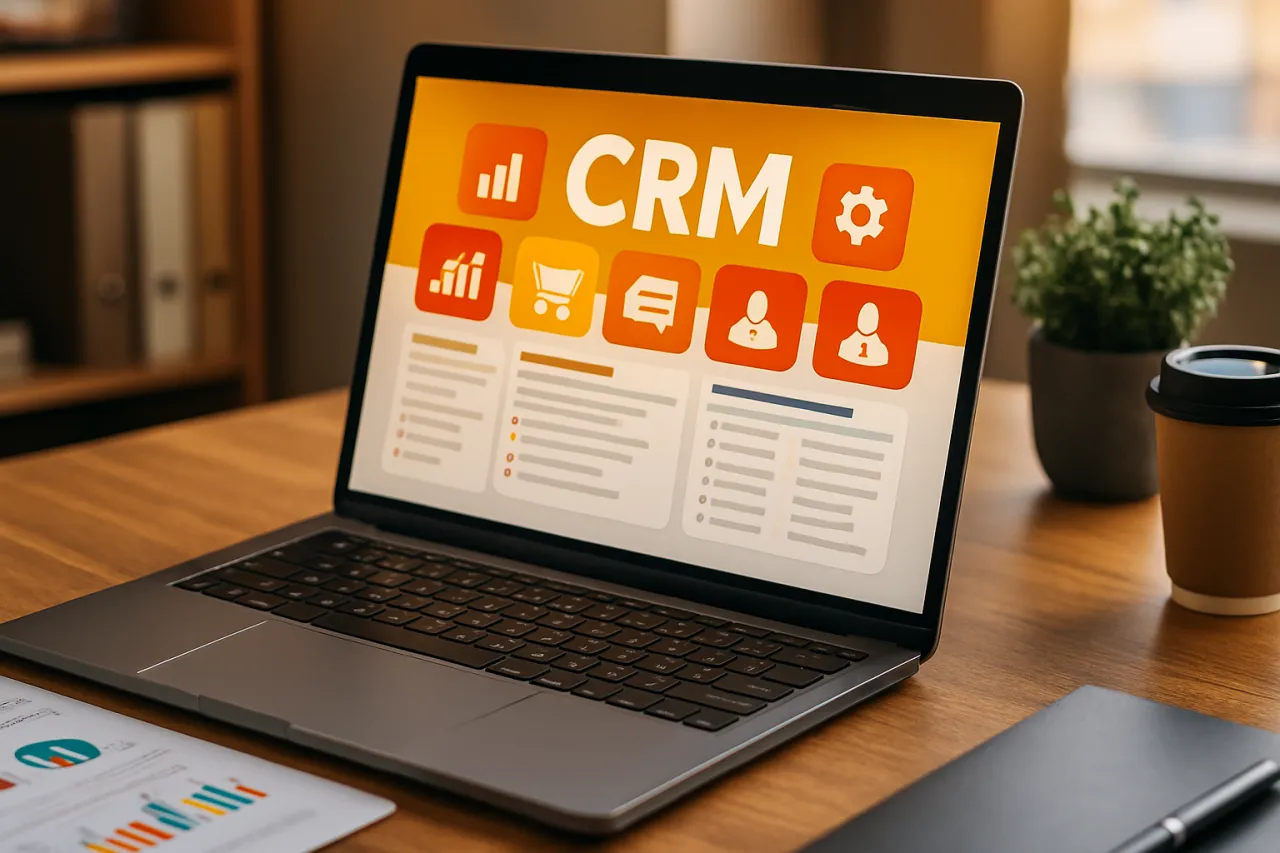
CRM software is a tool designed to help businesses manage their interactions with current and potential customers. It enables businesses to streamline processes, foster customer relationships, and improve profitability. At its core, CRM software consolidates customer information into a single database, making it accessible to various departments within an organization.
These systems typically include features for sales management, marketing automation, customer support, and analytics, allowing businesses to enhance their customer engagement strategies effectively.
Why It Matters
For small businesses, effective customer relationship management can mean the difference between success and failure. With limited resources and competition from larger enterprises, small businesses must leverage CRM solutions to maintain customer satisfaction and loyalty. A well-chosen CRM tool not only enhances operational efficiency but also provides insights into customer behavior, enabling businesses to tailor their services and marketing efforts accordingly.
Best Software / Methods / Strategies
1. HubSpot CRM
Overview
HubSpot CRM is a widely-used, free CRM tool that provides a user-friendly interface and a suite of features designed for small businesses.
Strengths
- Free to start with no hidden costs.
- Comprehensive marketing automation features.
- Seamless integration with HubSpot's other tools.
Limitations
- Advanced features require paid upgrades.
- Can become complex as the business grows.
Best for
Small businesses looking for a cost-effective solution with robust marketing features.
Pricing overview
Free with optional paid upgrades starting at $50/month.
2. Zoho CRM
Overview
Zoho CRM is a flexible and customizable solution that offers a range of features suitable for small and mid-sized businesses.
Strengths
- Highly customizable to fit specific business needs.
- Strong analytics and reporting capabilities.
- Affordable pricing tiers.
Limitations
- Learning curve for new users.
- Some users report performance issues with larger data sets.
Best for
Businesses that require customization and strong analytics tools.
Pricing overview
Plans start at $12/user/month.
3. Salesforce Essentials
Overview
Salesforce Essentials is a powerful CRM that caters specifically to small businesses and startups, offering a comprehensive suite of features.
Strengths
- Extensive features and scalability.
- Strong community support and resources.
- Excellent integration capabilities with third-party applications.
Limitations
- Higher cost compared to other small business CRMs.
- Overwhelming for very small teams.
Best for
Small businesses anticipating rapid growth and requiring robust features.
Pricing overview
Starts at $25/user/month.
4. Pipedrive
Overview
Pipedrive is a sales-focused CRM that emphasizes pipeline management and is particularly well-suited for small sales teams.
Strengths
- Intuitive, visual sales pipeline.
- Easy to use for team collaboration.
- Extensive integration options.
Limitations
- Limited marketing features.
- May require third-party tools for full functionality.
Best for
Small sales teams focused on maximizing sales performance.
Pricing overview
Plans start at $15/user/month.
How to Choose the Right Solution
When selecting a CRM for your small business, consider the following criteria:
- Feature Set: Identify the most essential features for your business, such as sales automation, customer support, or marketing integration.
- Ease of Use: Choose a CRM that is user-friendly and requires minimal training for your team.
- Scalability: Ensure that the CRM can grow with your business, accommodating more users and advanced features over time.
- Integration: Look for a CRM that integrates well with your existing tools and systems.
- Budget: Select a solution that fits your financial constraints while providing the necessary features.
Common Mistakes
When selecting a CRM, small businesses often make mistakes such as:
- Focusing solely on price without considering features and scalability.
- Underestimating the importance of user training and support.
- Choosing a CRM that does not integrate well with existing systems.
Frequently Asked Questions
1. What is the best CRM software for small businesses in 2024?
The best CRM software varies based on specific needs, but popular choices include HubSpot, Zoho, Salesforce Essentials, and Pipedrive.
2. How much does CRM software cost for small businesses?
Costs can range from free to $50 per user per month, depending on features and service providers.
3. Can CRM software help with marketing?
Yes, many CRM systems offer marketing automation features to help businesses streamline their marketing efforts and improve customer engagement.
4. What features should I look for in a small business CRM?
Look for features such as sales tracking, customer support, reporting, and integration capabilities with other tools.
5. Is CRM software worth the investment for small businesses?
Yes, investing in a CRM can lead to improved customer relationships, increased sales, and better data management, ultimately driving growth.
Conclusion
Choosing the right CRM software is a crucial decision for small businesses aiming to enhance customer relationships and streamline operations. By evaluating the features, pricing, and usability of different options, businesses can find a solution that meets their needs without breaking the bank. Avoid common pitfalls by prioritizing your specific requirements and seeking a CRM that can grow with your organization. With the right tools, your small business can thrive in a competitive marketplace.
About the Author

Full Stack Developer | AI Engineer
I help eCommerce and logistics companies grow faster using AI, automation, and scalable web applications. With 10+ years of experience in full-stack development, I specialize in building powerful b...