
Best Email Automation Tools for E-commerce Brands: Boost Sales Effortlessly
Introduction
In the dynamic world of e-commerce, effective customer engagement is key to driving sales and fostering loyalty. One of the most powerful tools in an e-commerce brand's arsenal is email marketing, and when combined with automation, the potential for increased revenue is significant. Email automation tools can help brands streamline their marketing efforts, ensuring timely and personalized communication with customers.
However, many e-commerce brands struggle with how to optimize their email marketing campaigns. From crafting the perfect message to timing it just right, there are numerous challenges to navigate. In this article, we’ll explore the best email automation tools available to e-commerce brands, providing insights on setting up automated sequences that not only improve deliverability but also enhance customer retention.
What Is Email Automation?
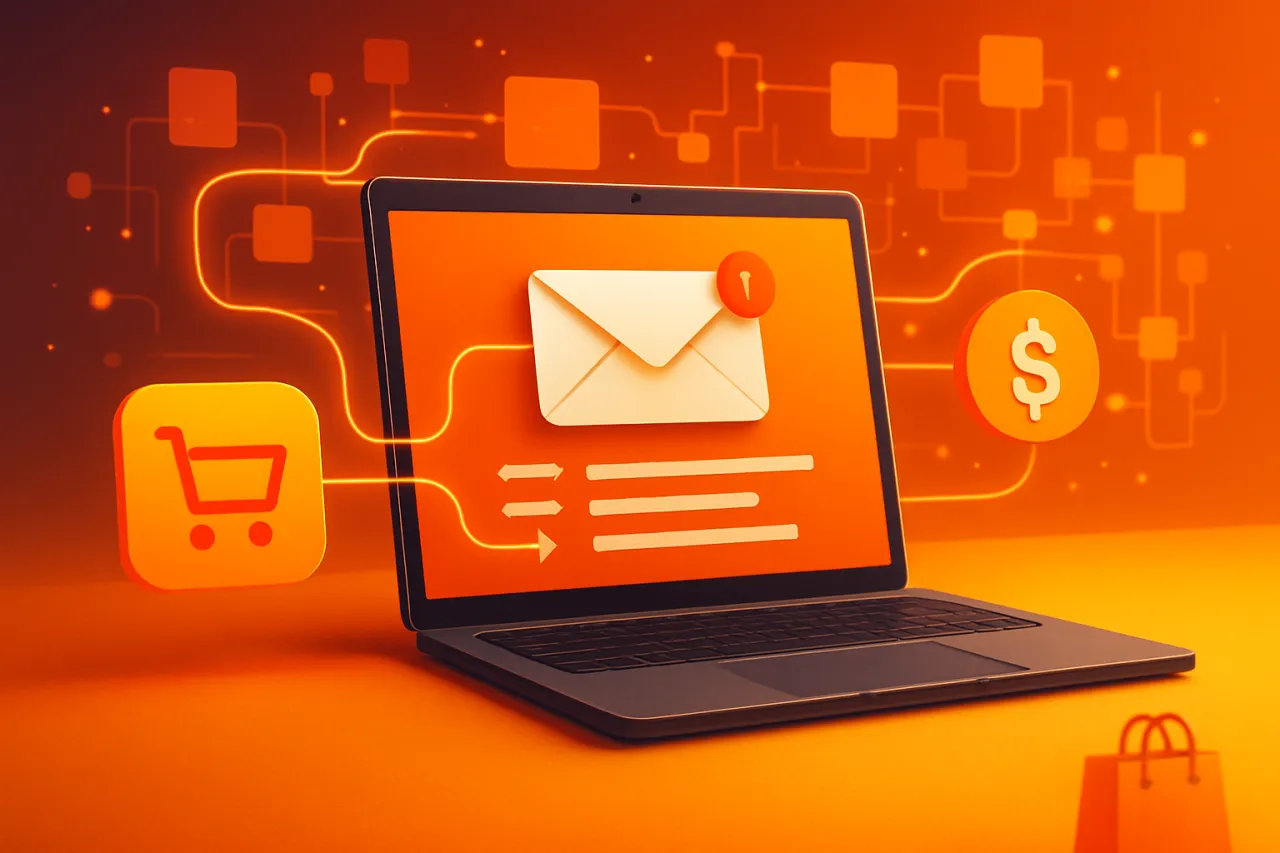
Email automation refers to the ability to send targeted emails to customers based on specific triggers or actions. This technology allows businesses to set up workflows that automatically send emails based on customer behavior, such as signing up for a newsletter, abandoning a shopping cart, or making a purchase. With automated emails, brands can ensure they are reaching their audience at the right time with the right message, ultimately leading to increased engagement and sales.
Why It Matters
For e-commerce brands, the stakes are high when it comes to customer retention and conversion rates. Email marketing not only offers a direct line of communication to customers but also provides an opportunity to personalize messages and promotions. Email automation tools can help brands save time and resources while simultaneously boosting their sales efforts. With the right tool, brands can focus on crafting engaging content rather than worrying about scheduling and delivering emails.
Best Email Automation Tools for E-commerce Brands
Mailchimp
Overview
Mailchimp is one of the most popular email marketing platforms that offers robust automation features tailored for e-commerce. It allows users to create targeted campaigns based on customer behavior and preferences.
Strengths
- User-friendly interface
- Extensive integration options with e-commerce platforms
- Advanced segmentation capabilities
Limitations
- Can become expensive as your list grows
- Limited automation features on lower-tier plans
Best for
Small to medium-sized e-commerce brands looking for a comprehensive email marketing solution.
Pricing overview
Offers a free plan for up to 500 subscribers, with paid plans starting at $11/month.
Klaviyo
Overview
Klaviyo is an email marketing platform specifically designed for e-commerce, offering powerful automation tools that integrate seamlessly with major e-commerce platforms like Shopify and WooCommerce.
Strengths
- Deep integration with e-commerce data
- Advanced reporting and analytics
- Highly customizable workflows
Limitations
- Steeper learning curve compared to simpler platforms
- Pricing can be high for larger lists
Best for
E-commerce brands that want to leverage data-driven strategies for personalized marketing.
Pricing overview
Pricing starts at $20/month for up to 250 contacts, scaling based on the number of contacts.
ActiveCampaign
Overview
ActiveCampaign combines email marketing, marketing automation, and CRM features, making it a versatile option for e-commerce brands.
Strengths
- Powerful automation capabilities
- Integrated CRM for managing customer relationships
- Excellent customer support
Limitations
- Can be overwhelming for beginners due to its complexity
- Limited template options compared to competitors
Best for
Brands looking for a comprehensive solution that includes CRM functionalities.
Pricing overview
Plans start at $9/month for up to 500 contacts, with pricing increasing based on features and contacts.
Sendinblue
Overview
Sendinblue offers an all-in-one marketing platform with email marketing and automation at its core, ideal for e-commerce businesses.
Strengths
- Unlimited contact storage
- SMS marketing capabilities
- Easy to use with a drag-and-drop editor
Limitations
- Email sending limits on lower-tier plans
- Limited reporting features compared to competitors
Best for
Brands looking for a cost-effective solution for both email and SMS marketing.
Pricing overview
Free plan available with limited features, while paid plans start at $25/month for up to 10,000 emails.
How to Choose the Right Solution
When selecting an email automation tool for your e-commerce brand, consider the following criteria:
- Ease of Use: Look for a platform that offers an intuitive interface, especially if your team lacks technical expertise.
- Integration: Ensure the tool integrates seamlessly with your existing e-commerce platform and other marketing tools.
- Automation Features: Evaluate the depth of automation features, including triggered emails, workflows, and segmentation options.
- Cost: Consider your budget and how the pricing scales with your growth.
- Support: Assess the quality of customer support and resources available for troubleshooting and learning.
Common Mistakes
To maximize the effectiveness of your email automation strategy, avoid these common pitfalls:
- Neglecting Segmentation: Failing to segment your audience can lead to generic emails that don’t resonate.
- Overlooking Mobile Optimization: Many customers check emails on mobile devices; ensure your emails are mobile-friendly.
- Ignoring Analytics: Not using data to inform your campaigns can stunt your growth. Regularly analyze your email performance to refine your strategy.
Frequently Asked Questions
Q1: What is the difference between email marketing and email automation?
Email marketing involves sending promotional emails, while email automation refers to automatically sending emails based on specific triggers or actions.
Q2: How can email automation boost sales for e-commerce brands?
By sending timely, personalized messages that engage customers at various stages of their shopping journey, email automation can drive conversions and repeat purchases.
Q3: Can I use multiple email automation tools together?
Yes, many businesses integrate multiple tools to leverage specific features, but ensure they work well together to avoid data silos.
Q4: How do I measure the success of my email automation campaigns?
Track key metrics such as open rates, click-through rates, conversion rates, and revenue generated from email campaigns to evaluate effectiveness.
Q5: Is it necessary to have a large email list to benefit from automation?
No, even smaller lists can see significant benefits from automation; it’s more about the relevance and targeting of your emails than the size of your list.
Conclusion
In conclusion, email automation tools are essential for e-commerce brands looking to enhance their email marketing efforts and boost sales. By choosing the right tool and setting up effective automated sequences, brands can improve customer engagement and retention. Remember to evaluate your options carefully based on your specific needs and growth potential. With the right strategy, you can turn email marketing into a powerful asset for your business.
About the Author

Software Quality Assurance Engineer
I'm a Software Quality Assurance professional specializing in software testing, quality assurance processes, and application reliability. At Softedin, he writes about testing tools, QA best practices,...