
The Rise of AI in E-commerce: Essential Tools You Need to Know
Introduction
As artificial intelligence (AI) technology continues to evolve, its impact on e-commerce is profound and multifaceted. With the ongoing shift towards online shopping, businesses must adapt to changing consumer expectations while navigating the complexities of inventory management, customer service, and marketing strategies. The rise of AI in e-commerce presents solutions that not only enhance customer experiences but also streamline operations and improve decision-making.
In this article, we'll explore the significant role AI plays in e-commerce, highlight essential tools that businesses can leverage, and discuss the latest market trends. Readers will gain insights into how AI can be integrated into their e-commerce strategies, paving the way for improved efficiency and customer satisfaction.
What Is AI in E-commerce?
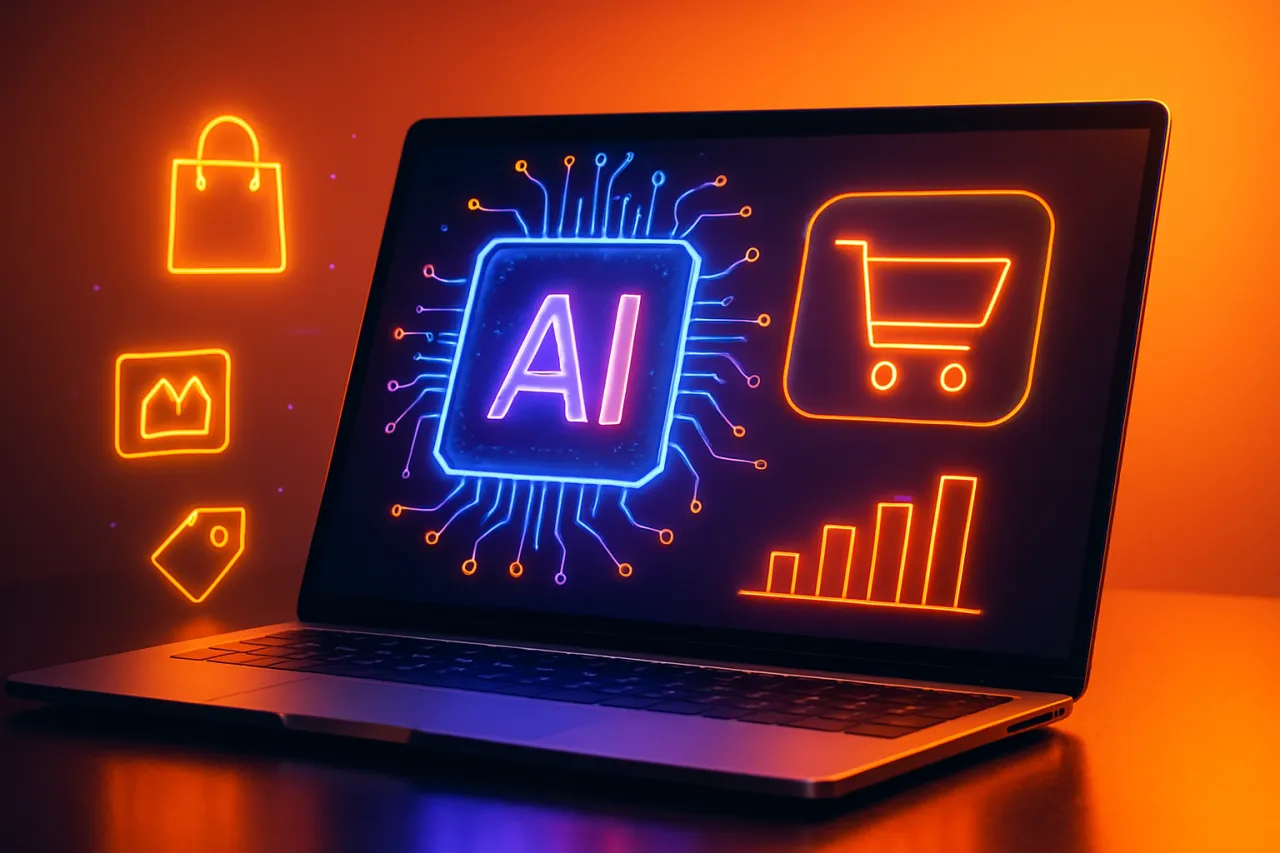
AI in e-commerce refers to the application of artificial intelligence technologies to improve various aspects of online retail. This can include chatbots for customer service, personalized product recommendations, dynamic pricing algorithms, and inventory management systems. By utilizing AI, e-commerce businesses can better understand consumer behavior, optimize their operations, and ultimately drive sales.
The integration of AI in e-commerce is not merely a trend; it has become a necessity for companies looking to remain competitive in a rapidly evolving market. As consumer expectations continue to rise, businesses must leverage AI to meet these demands effectively.
Why It Matters
Understanding the importance of AI in e-commerce goes beyond recognizing a technological advancement. It reflects a shift in how consumers interact with brands and make purchasing decisions. AI tools enable businesses to:
- Deliver personalized shopping experiences that cater to individual preferences.
- Optimize inventory and supply chain processes, reducing costs and improving efficiency.
- Enhance marketing strategies through data-driven insights and automation.
The ability to harness AI effectively can differentiate successful e-commerce businesses from those that struggle to keep up. In a landscape where consumer loyalty is hard-won, leveraging AI tools can be the key to sustaining competitive advantage.
Best Software / Methods / Strategies
1. AI-Powered Chatbots
Overview
AI-powered chatbots offer 24/7 customer support by providing instant responses to common inquiries, thus improving customer engagement and satisfaction.
Strengths
- Reduces response times significantly.
- Available around the clock.
- Can handle multiple inquiries simultaneously.
Limitations
- May struggle with complex questions.
- Initial setup and training can require resources.
Best for
Businesses looking to enhance customer service without increasing staff.
Pricing overview
Varies by provider; many platforms offer tiered pricing based on features and usage.
2. Personalized Recommendation Engines
Overview
Recommendation engines analyze customer behavior to suggest products that align with their preferences, increasing the likelihood of a purchase.
Strengths
- Enhances user experience through personalization.
- Increases average order value by upselling relevant products.
Limitations
- Requires substantial data to function effectively.
- Potential for over-reliance on algorithms, which may misinterpret customer intent.
Best for
E-commerce sites with a diverse product range seeking to boost sales.
Pricing overview
Typically subscription-based, with costs varying based on the volume of recommendations and integrations.
3. Dynamic Pricing Tools
Overview
Dynamic pricing tools adjust product prices based on market demand, customer behavior, and competitor pricing, ensuring optimal pricing strategies.
Strengths
- Maximizes revenue by adapting to real-time market conditions.
- Encourages competitive pricing without manual intervention.
Limitations
- May confuse customers if prices fluctuate frequently.
- Requires continuous monitoring of market conditions.
Best for
Retailers that operate in highly competitive markets.
Pricing overview
Pricing is typically based on usage and the complexity of pricing rules implemented.
4. Inventory Management Systems
Overview
AI-driven inventory management systems forecast demand, track stock levels, and automate reordering processes, minimizing stockouts and overstock situations.
Strengths
- Increases operational efficiency by automating repetitive tasks.
- Provides data-driven insights for better decision-making.
Limitations
- Implementation can be resource-intensive.
- May require ongoing adjustments based on market changes.
Best for
Businesses with significant inventory that need to manage stock levels effectively.
Pricing overview
Often subscription-based, with costs depending on the number of products and features utilized.
How to Choose the Right Solution
When selecting AI tools for e-commerce, consider the following criteria:
- Scalability: Choose solutions that can grow with your business.
- Integration: Look for tools that integrate seamlessly with your existing systems.
- User-Friendliness: Ensure that the tool is straightforward for your team to use.
- Cost-Effectiveness: Evaluate the value provided relative to the pricing structure.
Additionally, consider conducting a trial or seeking demos to assess how well the solution meets your specific needs before making a commitment.
Common Mistakes
Several common pitfalls can hinder the effective implementation of AI in e-commerce:
- Neglecting Data Quality: Poor quality data can lead to inaccurate insights and ineffective AI performance.
- Overcomplicating Solutions: Businesses may implement overly complex systems that are difficult to manage.
- Ignoring Customer Feedback: Failing to consider customer experiences can lead to misguided AI applications.
Frequently Asked Questions
1. What are the main benefits of using AI in e-commerce?
AI enhances customer experiences, optimizes inventory management, and improves marketing strategies through data-driven insights.
2. Are AI tools costly to implement?
While some AI tools can be expensive, many offer tiered pricing models to accommodate different budgets.
3. How can I ensure data quality for my AI applications?
Regularly clean and update your data, and ensure that you are collecting relevant information from customer interactions.
4. What is the role of machine learning in e-commerce?
Machine learning enables systems to learn from data patterns, improving recommendations, pricing strategies, and inventory management over time.
5. How do I choose the right AI tool for my business?
Consider scalability, integration capabilities, user-friendliness, and cost-effectiveness when evaluating potential AI solutions.
Conclusion
The rise of AI in e-commerce represents both challenges and opportunities for businesses. By understanding the available tools and their applications, e-commerce companies can enhance customer experiences, optimize operations, and stay ahead of market trends. As AI technology continues to evolve, the strategic integration of these tools will be crucial in navigating the future of online retail.
For businesses looking to deepen their understanding of the tools available, consider exploring resources like Best E-commerce SEO Tools for Handmade Sellers to further enhance your e-commerce strategies.
About the Author
Software Analyst
Usman Chaudhry brings 12 years of industry experience to every review. Specializing in Automation, He cuts through the marketing noise to deliver honest, practical insights.