
Top E-learning Tools for Corporate Training in 2026
Introduction
In today's fast-paced corporate environment, effective training and continuous employee development are essential for maintaining a competitive edge. As companies increasingly adopt remote and hybrid work models, e-learning tools have emerged as critical resources in corporate training strategies. This article delves into the top e-learning tools available in 2026, focusing on their features, effectiveness, and integration into existing training programs.
Readers will learn about various e-learning tools that cater to different needs, compare their functionalities, and discover how they can enhance employee development initiatives. This guide aims to equip decision-makers with the knowledge necessary to make informed choices regarding corporate training solutions.
What Is E-learning?
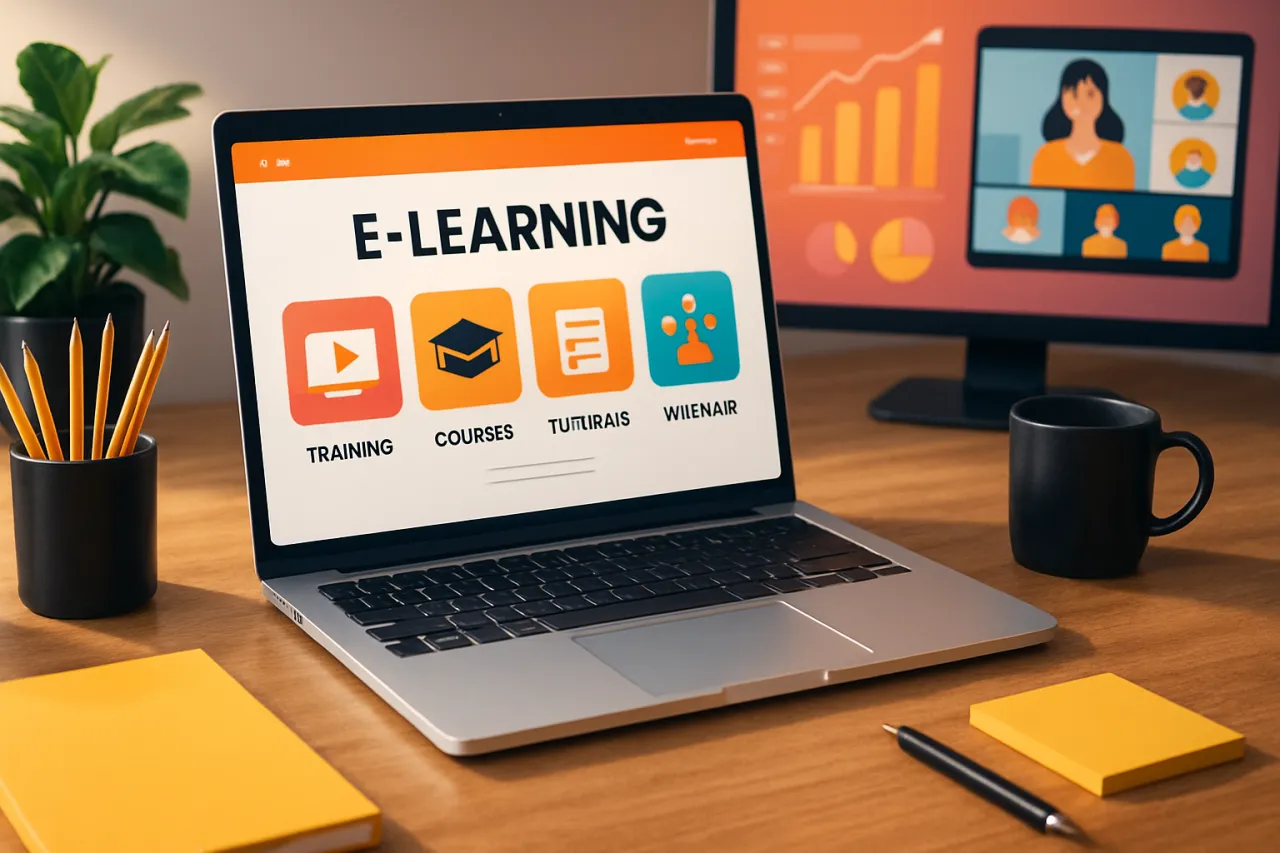
E-learning, or electronic learning, refers to the use of digital resources and platforms to facilitate learning. This approach encompasses a wide range of formats, including online courses, webinars, and interactive modules. In a corporate context, e-learning tools are designed to train employees efficiently and effectively, often incorporating multimedia elements to enhance engagement and retention.
As organizations shift towards digital transformation, the demand for robust e-learning tools that support employee development has surged. These tools not only provide flexibility in training schedules but also allow companies to reach a broader audience, irrespective of geographical constraints.
Why It Matters
Investing in e-learning tools is crucial for companies aiming to foster a culture of continuous learning. Effective training programs are linked to increased employee performance, job satisfaction, and retention rates. Moreover, in a landscape where skills are rapidly evolving, e-learning offers the agility that traditional training methods often lack. By understanding the best e-learning tools available, organizations can enhance their training programs and better prepare their workforce for future challenges.
Best Software / Methods / Strategies
1. TalentLMS
- Overview: TalentLMS is a cloud-based learning management system designed for organizations of all sizes. It offers a user-friendly interface and supports various content types, including videos, quizzes, and documents.
- Strengths: Highly customizable, extensive reporting and analytics, mobile-friendly, and supports multiple languages.
- Limitations: Limited integrations with some third-party tools, and some users report a steep learning curve for advanced features.
- Best for: Organizations looking for a versatile LMS that can grow with their training needs.
- Pricing overview: Starts at $59/month for up to 40 users, with scalable pricing based on the number of users.
2. Cornerstone OnDemand
- Overview: Cornerstone OnDemand offers a comprehensive suite for learning and talent management, focusing on large enterprises.
- Strengths: Robust features for performance management and succession planning, extensive content library, and strong analytics capabilities.
- Limitations: Higher cost compared to other platforms, and implementation can be complex and time-consuming.
- Best for: Large organizations with diverse training needs and a focus on employee development.
- Pricing overview: Custom pricing based on company size and requirements.
3. Docebo
- Overview: Docebo is an AI-powered LMS that emphasizes social learning and content curation. It allows organizations to create a collaborative learning environment.
- Strengths: Strong integration capabilities, user-generated content features, and personalized learning experiences.
- Limitations: Can be overwhelming for new users due to its extensive features; higher pricing tier.
- Best for: Companies looking to leverage social learning and AI to enhance training engagement.
- Pricing overview: Starts at $900/month for up to 100 users; custom quotes for larger teams.
4. Moodle
- Overview: Moodle is an open-source learning platform that provides flexibility and customization options for e-learning.
- Strengths: Highly customizable, extensive plugin support, and a strong community of users.
- Limitations: Requires technical expertise for setup and maintenance; user interface may feel outdated compared to commercial LMS.
- Best for: Organizations with specific customization needs and technical capabilities.
- Pricing overview: Free to use; costs may arise from hosting and customization.
How to Choose the Right Solution
Selecting the appropriate e-learning tool involves several criteria:
- User Experience: The platform should be intuitive for both administrators and learners.
- Content Compatibility: Ensure the tool supports various content formats relevant to your training needs.
- Integration Capabilities: Consider how well the e-learning tool integrates with existing HR or LMS systems.
- Scalability: Assess whether the tool can accommodate your organization’s future growth and training needs.
- Cost-effectiveness: Analyze the pricing structure in relation to the features offered and your budget constraints.
Common Mistakes
Organizations often make several common mistakes when implementing e-learning tools:
- Neglecting User Needs: Failing to involve employees in the selection process can lead to low engagement.
- Overlooking Training Quality: Focusing solely on technology without considering the quality of content can diminish training effectiveness.
- Ignoring Feedback: Not collecting user feedback can result in missed opportunities for improvement and increased frustration among learners.
Frequently Asked Questions
-
What are e-learning tools?
E-learning tools are digital platforms or software used to facilitate online learning, often incorporating various multimedia formats to enhance training. -
How do I implement e-learning in my organization?
Start by identifying the training needs, selecting an appropriate e-learning tool, and developing content tailored to your workforce. -
Are e-learning tools expensive?
Costs vary significantly based on features and company size; many tools offer flexible pricing plans. -
Can e-learning tools support compliance training?
Yes, most e-learning platforms provide features tailored for compliance training, including tracking and reporting functionalities. -
How can I measure the effectiveness of e-learning?
Utilize analytics and feedback mechanisms to assess learner engagement, knowledge retention, and performance improvements.
Conclusion
E-learning tools are indispensable for effective corporate training in 2026. By understanding the features, strengths, and limitations of various platforms, organizations can enhance their employee development initiatives. Careful consideration of user needs, integration capabilities, and cost structures is vital in selecting the right e-learning solution. Investing in the right tools can lead to improved employee performance, satisfaction, and retention, ultimately contributing to a more successful organization.
About the Author
Startup Advisor
Zubair Tauseef is a startup advisor with 10+ years of experience reviewing and testing Cybersecurity software. He helps businesses find the right digital tools to scale their operations.