
Top Video Editing Software for Beginners: A Comprehensive Guide
Introduction
Many beginners struggle to choose the right video editing tools to kickstart their creative journey. With an overwhelming number of options available, it can be challenging to identify which software best fits your needs. This guide will discuss user-friendly software options, their features, and how to choose the right tool for personal projects or social media. Whether you’re looking to create simple vlogs or polished social media videos, the right editing software can make all the difference.
In this article, we’ll explore the top video editing software tailored for beginners, highlighting their strengths and limitations. We’ll provide insights into pricing, key features, and essential tips for getting started. By the end of this guide, you’ll have a clearer understanding of the available options and how to make an informed decision.
What Is Video Editing Software
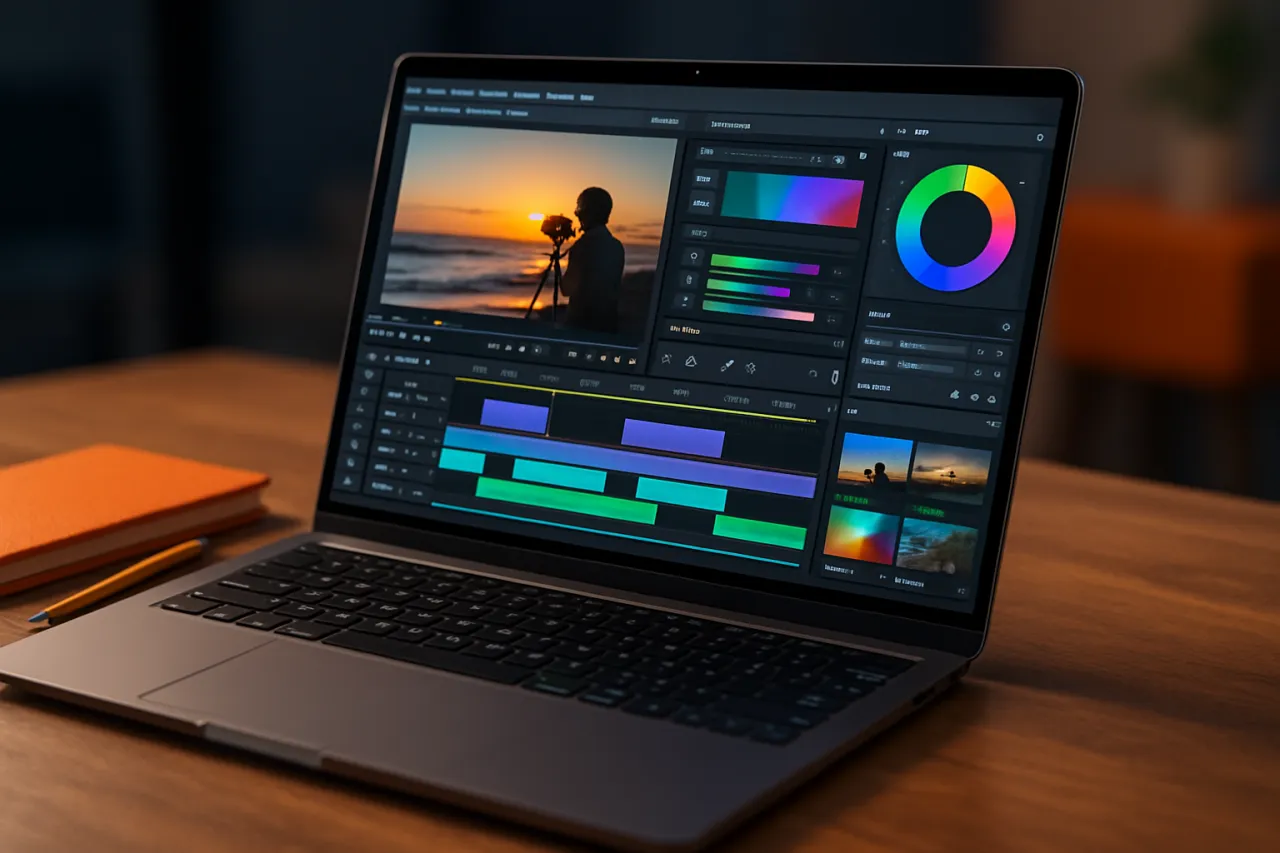
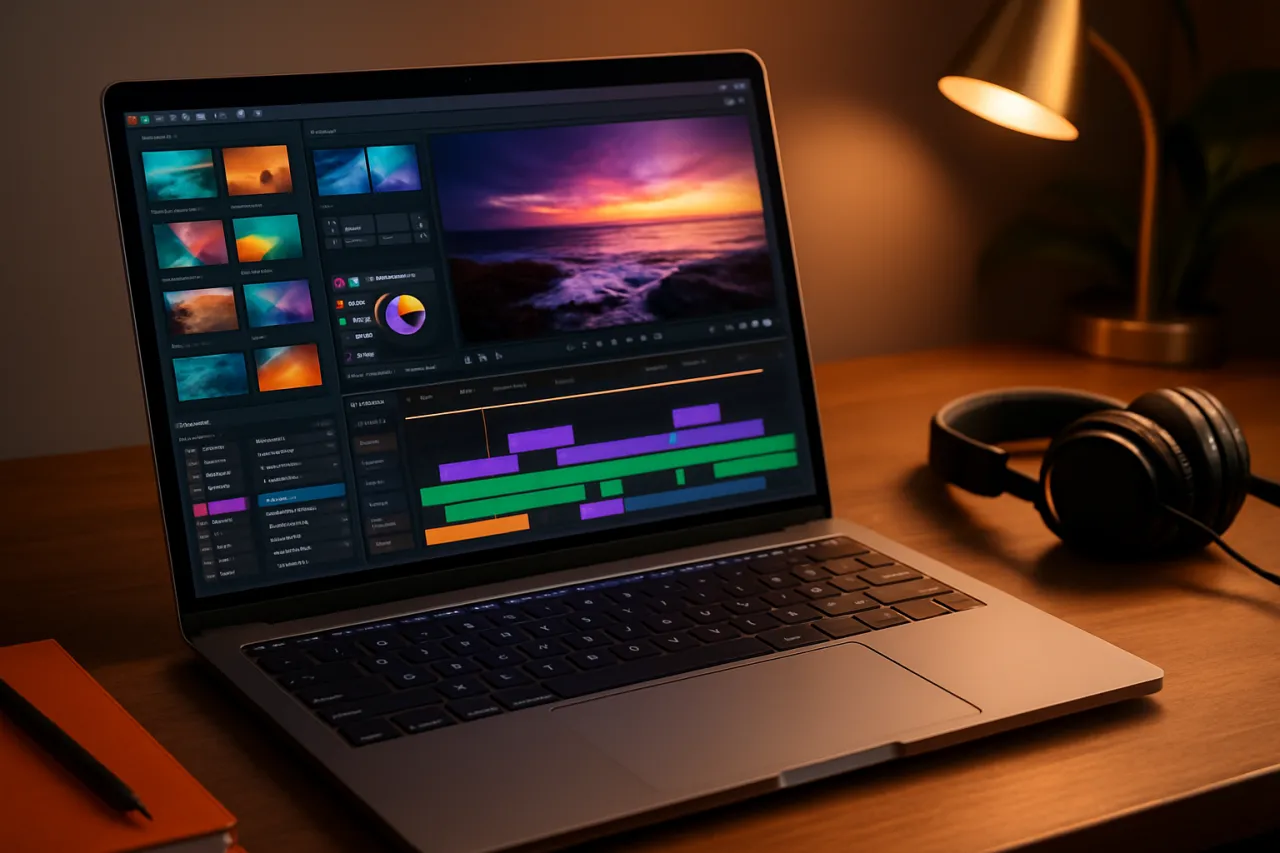
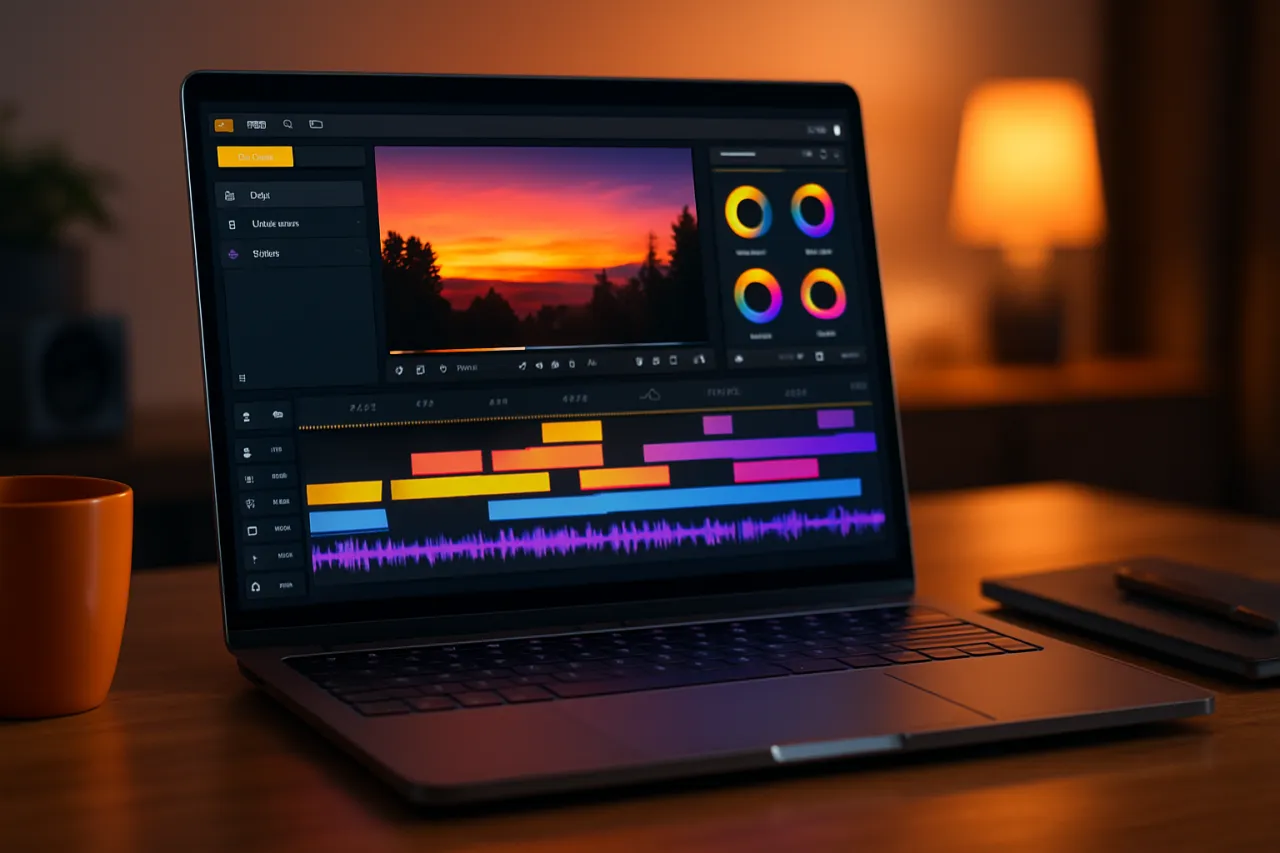
Video editing software refers to applications that allow users to manipulate and edit video footage. These tools enable users to cut, trim, and arrange video clips, add transitions, effects, and audio, and export final projects in various formats. For beginners, understanding the functionality of these tools is crucial, as it can greatly impact the quality of the content they produce.
Why It Matters
As video content continues to dominate social media and online platforms, having access to user-friendly video editing software is essential for anyone looking to express their creativity. The right software can simplify the editing process, allowing beginners to focus more on their story rather than getting bogged down by technical difficulties. This guide aims to equip you with the knowledge to select a tool that aligns with your needs.
Best Software / Methods / Strategies
1. iMovie
Overview:
iMovie is a free video editing software exclusive to Mac users. It offers a range of features, including trimming, transitions, and color correction, making it ideal for beginners.
Strengths:
- User-friendly interface
- Built-in templates and themes
- Supports 4K video editing
Limitations:
- Only available on Apple devices
- Limited advanced effects compared to higher-end software
Best for:
Casual users creating home videos or simple social media clips.
Pricing overview:
Free for macOS users.
2. Adobe Premiere Rush
Overview:
Adobe Premiere Rush is a simplified version of Adobe Premiere Pro, designed for quick edits and social media content. It’s available on multiple platforms, including mobile devices.
Strengths:
- Cross-platform compatibility
- Intuitive interface
- Built-in motion graphics templates
Limitations:
- Limited features compared to Premiere Pro
- The free version has limited exports
Best for:
Users looking to create and share videos quickly on social media.
Pricing overview:
Free version available; subscription starts at $9.99/month.
3. Filmora
Overview:
Filmora is a versatile video editing tool that balances simplicity and functionality, making it suitable for beginners and more experienced users alike.
Strengths:
- Easy drag-and-drop interface
- Extensive library of effects and transitions
- Regular updates and community support
Limitations:
- Watermark on free version
- Subscription can be pricey for full features
Best for:
Beginners who want to explore a wide range of editing features without overwhelming complexity.
Pricing overview:
Free version available; paid plans start at $39.99/year.
4. Shotcut
Overview:
Shotcut is an open-source video editing software that provides a robust set of features without the need for a subscription or purchase.
Strengths:
- Free and open-source
- Supports a variety of formats
- No watermarks or restrictions
Limitations:
- Steeper learning curve than some other beginner options
- Interface may feel less polished
Best for:
Users who prefer a no-cost solution with advanced features.
Pricing overview:
Free.
5. Camtasia
Overview:
Camtasia is primarily aimed at creating educational and instructional videos, making it a great choice for content creators in those niches.
Strengths:
- Screen recording capabilities
- Easy-to-use editing tools
- Excellent for creating tutorials
Limitations:
- Higher cost than basic editing software
- Limited to PC and Mac
Best for:
Educators and trainers creating tutorial videos.
Pricing overview:
$249.99 for a one-time purchase.
How to Choose the Right Solution
When selecting video editing software, consider the following criteria:
- Ease of Use: Look for software with an intuitive interface to minimize the learning curve.
- Features: Assess whether the software offers the tools you need for your specific projects, such as effects, transitions, and audio editing.
- Compatibility: Ensure the software is compatible with your operating system and supports the file formats you plan to use.
- Budget: Determine your budget and consider whether you prefer a one-time purchase or a subscription model.
- Support and Community: Having access to tutorials and community support can be invaluable as you learn to navigate the software.
Common Mistakes
- Choosing Overly Complicated Software: Beginners should avoid software that is too advanced, as it can lead to frustration and hinder creativity.
- Neglecting to Explore Features: Take the time to explore all available features and tools within your chosen software to maximize its potential.
- Forgetting Audio Quality: Good video editing involves not just visuals but also high-quality audio. Don’t overlook audio mixing and enhancement options.
Frequently Asked Questions
1. What is the best video editing software for beginners?
The best software depends on your specific needs, but options like iMovie and Filmora are often recommended for their user-friendly interfaces.
2. Do I need a powerful computer to edit videos?
While more powerful hardware can improve performance, many beginner-friendly software options are designed to run on standard computers.
3. Can I use free video editing software for professional projects?
Yes, many free software options like Shotcut and DaVinci Resolve are capable of producing high-quality professional videos.
4. Is there a difference between video editing and video production?
Yes, video editing refers specifically to the process of manipulating video footage, while video production encompasses the entire process, including scripting, shooting, and editing.
5. How long does it take to learn video editing?
The time it takes to learn video editing varies, but with consistent practice, beginners can start creating basic videos within a few weeks.
Conclusion
Choosing the right video editing software is a crucial step for beginners looking to express their creativity through video. The options listed in this guide offer a range of features and pricing to suit different needs and budgets. Remember to evaluate your specific requirements, explore the chosen software thoroughly, and practice consistently. By doing so, you’ll be well on your way to producing engaging and polished videos that capture your vision.
About the Author
Software Analyst
A seasoned software analyst, Adnan Bhatti focuses on making tech accessible to everyday users. He covers CRM tools, comparisons, and buying guides on Softedin.