

AgentGPT vs AI App Generator
Discover the differences between AgentGPT and AI App Generator in 2026. Find out which AI tool suits your needs best!

AgentGPT
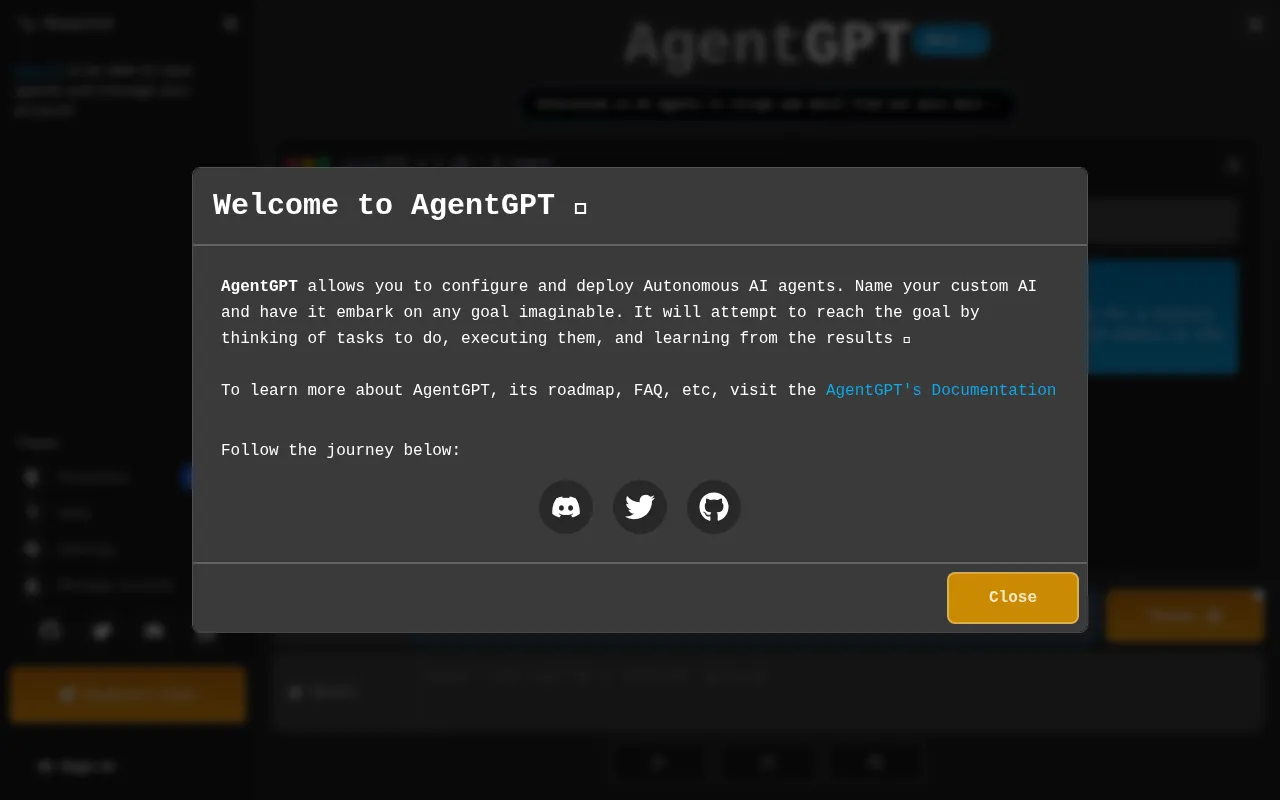
AgentGPT allows users to create and deploy autonomous AI agents for various tasks directly in their browser.
View Profile →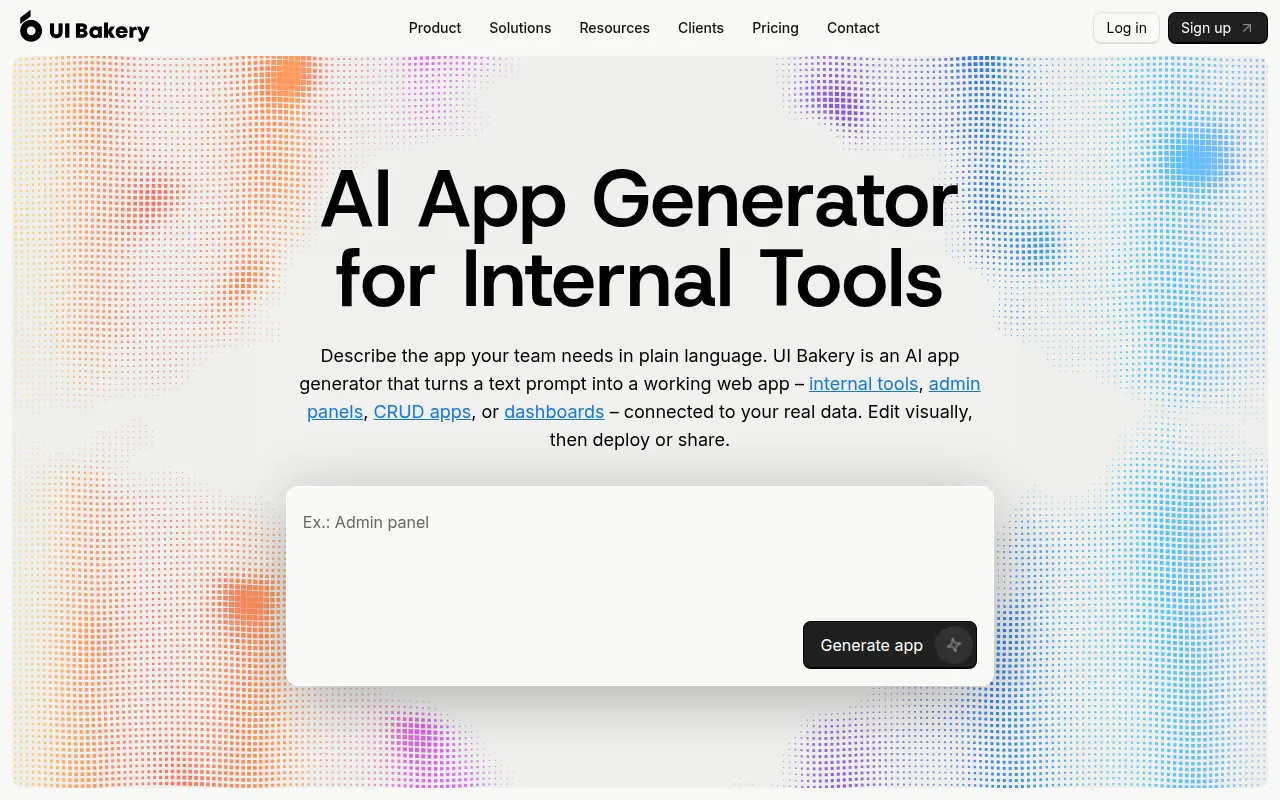

AI App Generator
UI Bakery is an AI app generator that creates web applications from text prompts, ideal for internal tools and dashboards.
View Profile →Overview
In today's fast-paced digital landscape, the need for efficient tools to streamline workflows and enhance productivity is more crucial than ever. This comparison focuses on two innovative platforms: AgentGPT and AI App Generator. AgentGPT is designed for users looking to create autonomous AI agents for various tasks, while AI App Generator caters to those needing to generate web applications from simple text prompts. Both tools serve distinct user needs, making this analysis essential for individuals and businesses aiming to choose the right solution for their requirements.
AgentGPT Overview
AgentGPT is a powerful online platform that allows users to create and deploy autonomous AI agents directly in their web browsers. Its core use case lies in automating repetitive tasks, such as data entry, customer support, or content generation, thereby freeing up valuable time for users to focus on more critical aspects of their work. Designed for both tech-savvy individuals and businesses, AgentGPT offers a flexible environment where users can customize their AI agents' functionality based on specific needs. This flexibility makes it suitable for entrepreneurs, marketers, and developers who want to leverage AI technology without extensive coding knowledge.
One of the most notable strengths of AgentGPT is its user-friendly interface, which enables users to create AI agents with minimal effort. For instance, a small business owner can quickly set up a chatbot to handle customer inquiries, enhancing their customer service without hiring additional staff. Moreover, the platform supports various integrations, allowing seamless connectivity with popular applications and services, making it a versatile choice for users looking to automate workflows. The freemium model also allows users to explore its capabilities without financial commitment, making it an attractive option for those just starting with AI-driven automation.
AI App Generator Overview
The AI App Generator, also known as UI Bakery, is a cutting-edge platform that streamlines the process of creating web applications from simple text prompts. This tool is particularly beneficial for users looking to build internal tools, dashboards, or any web-based applications without the need for extensive programming experience. By utilizing AI technology, UI Bakery simplifies the app development process, making it accessible to a broader audience, including entrepreneurs, product managers, and non-technical users who wish to bring their ideas to life quickly.
One of the standout features of the AI App Generator is its ability to translate natural language commands into functional web applications. For example, a project manager can input a prompt requesting a dashboard for tracking team performance, and the platform will generate a fully functional application tailored to those specifications. This feature significantly reduces development time and resources, allowing businesses to pivot quickly and adapt to changing demands. Furthermore, the platform's freemium model provides users with the opportunity to experiment with its capabilities, making it an ideal choice for startups and small teams looking to innovate without heavy upfront investments.
Feature Comparison
| Feature | AgentGPT | AI App Generator |
|---|---|---|
| Core Functionality | Creates autonomous AI agents for various tasks | Generates web applications from text prompts |
| User Experience | User-friendly interface for quick setup | Intuitive design for non-technical users |
| Automation Capability | Automates repetitive tasks, such as customer support | Automates app creation based on user prompts |
| Customization Options | Highly customizable AI agents | Customizable applications based on specific needs |
| Integration | Supports various integrations with popular tools | Can integrate with other services for enhanced functionality |
| Target Users | Entrepreneurs, marketers, and developers | Product managers, non-technical users, and startups |
| Pricing Model | Freemium with details not available | Freemium with details not available |
| Deployment | Web-based, no installation required | Web-based, no installation required |
| Support | Community support and documentation | Community support and comprehensive guides |
| Learning Curve | Low learning curve for basic tasks | Very low learning curve, suited for beginners |
Pricing Comparison
Both AgentGPT and AI App Generator follow a freemium pricing model, allowing users to access basic functionalities without cost. However, specific pricing details for both tools are currently unavailable. This lack of transparency can be a limitation for potential users who want to assess the full range of features and costs involved in upgrading to premium tiers. Generally, the freemium model offers an excellent opportunity for users to explore the tools and determine whether they meet their needs before committing to any paid plans.
In terms of value for money, both tools provide significant benefits to users. AgentGPT's ability to automate tasks can lead to substantial time savings and increased efficiency, making it a worthwhile investment for businesses seeking to enhance productivity. On the other hand, the AI App Generator's unique capability to create applications from text prompts can save organizations both time and money in development costs, especially for those without in-house technical expertise. Ultimately, users will need to evaluate how well the tools align with their specific requirements and the potential return on investment they can achieve through automation and app development.
Pros and Cons
AgentGPT Pros and Cons
- Pro: Highly customizable AI agents can be tailored to specific tasks and industries.
- Pro: User-friendly interface that enables quick setup and deployment of agents.
- Pro: Flexibility in automating various tasks, enhancing overall productivity.
- Con: Lack of detailed pricing information may hinder users from making informed decisions.
- Con: Limited advanced features compared to more specialized automation tools.
AI App Generator Pros and Cons
- Pro: Translates natural language prompts into functional web applications quickly.
- Pro: Extremely low learning curve, making it accessible for non-technical users.
- Pro: Saves time and resources by streamlining the app development process.
- Con: Limited advanced customization options for more complex applications.
- Con: Lack of detailed pricing information may create uncertainty for users.
Which Should You Choose?
If you are a solo entrepreneur looking to automate customer interactions, AgentGPT may be the better choice. Its ability to create customized AI agents can help manage inquiries effectively, allowing you to focus on scaling your business. The platform's flexibility ensures that you can adapt the agents as your business needs evolve, making it a long-term solution for increasing efficiency.
On the other hand, if you are part of a small team or a startup in need of rapid application development, the AI App Generator would be more suitable. Its unique capability to build applications from text prompts means that even non-technical team members can contribute to developing internal tools or dashboards. This democratization of app development can lead to innovative solutions that may not have been considered otherwise.
For businesses with specific automation needs that require both AI agents and web applications, considering a hybrid approach may be beneficial. Utilizing AgentGPT for task automation while leveraging the AI App Generator for application development can create a powerful synergy that maximizes productivity and efficiency. This approach would allow your team to harness the strengths of both tools, ensuring comprehensive solutions to meet diverse operational demands.
Conclusion
Ultimately, the decision between AgentGPT and AI App Generator hinges on your specific needs and the context in which you plan to use these tools. Both platforms offer unique advantages that can significantly enhance productivity and streamline processes. By carefully evaluating your requirements and the capabilities of each tool, you can confidently choose the solution that aligns best with your goals.
Frequently Asked Questions
The better platform depends on your goals. AgentGPT excels in creating autonomous AI agents, making it ideal for users needing intelligent task automation. In contrast, AI App Generator focuses on web app creation, so if your primary need is developing applications from text prompts, it may be the better choice.
AgentGPT typically offers a subscription model based on the complexity of the agents required, while AI App Generator may have tiered pricing based on features and usage limits. It's essential to review their pricing pages for the most accurate and up-to-date information.
AgentGPT is perfect for automating customer support, data processing, and personalized recommendations. Meanwhile, AI App Generator is suited for quickly developing prototypes or full-fledged web applications based on user prompts, ideal for startups and developers.
Migrating from one platform to another can involve data transfer challenges and learning curves associated with different interfaces. Users should evaluate the documentation and support options available for both platforms to ensure a smooth transition.
Both platforms offer free plans, but they come with limitations. AgentGPT's free tier may restrict the number of agents you can create, while AI App Generator might limit the features available for app development. It's advisable to examine each free plan's specifics to determine which aligns better with your needs.
If your project requires both capabilities, consider starting with the platform that aligns more closely with your immediate needs. You can always integrate the tools later or use them side-by-side, as both platforms are designed to complement various aspects of digital workflow.