

Airtable AI vs AI First
Discover the features and benefits of Airtable AI vs AI First in 2026. Find the best business tool for your needs today!

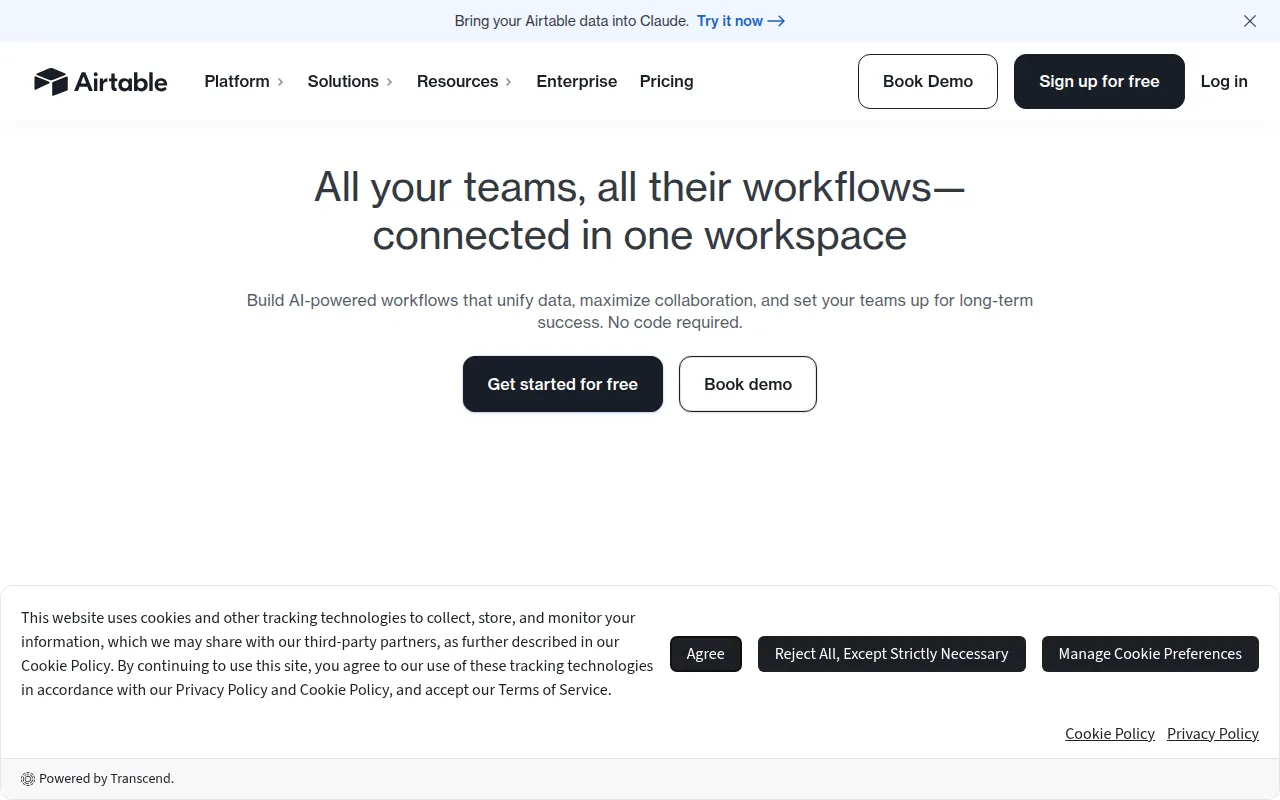

Airtable AI
Airtable AI is a versatile workflow automation tool that helps teams collaborate and streamline processes using customizable apps.
View Profile →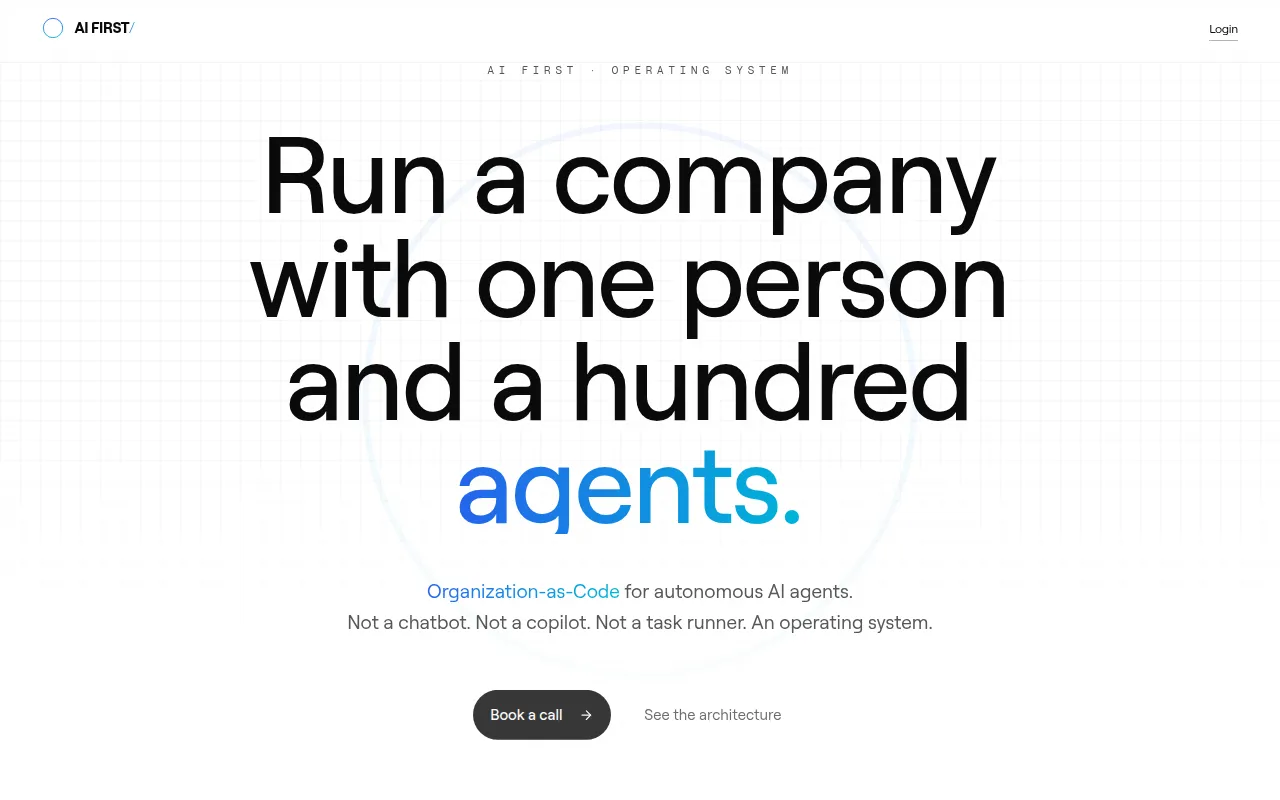

AI First
AI First is an operating system that utilizes AI agents to automate company operations and streamline workflows across various tools.
View Profile →Overview
Airtable AI and AI First are two powerful business tools designed to enhance workflow automation and collaboration within teams. Airtable AI is ideal for smaller teams and organizations looking to create customizable applications for streamlined operations, while AI First caters to larger enterprises that require comprehensive automation across multiple tools through AI agents. This comparison will help businesses assess which tool aligns best with their operational needs.
Airtable AI Overview
Airtable AI is a versatile workflow automation tool that empowers teams to collaborate effectively and streamline their processes using customizable applications. With a user-friendly interface resembling a spreadsheet, Airtable AI allows users to create databases, manage projects, and automate repetitive tasks effortlessly. It is particularly designed for small to medium-sized businesses, project managers, and creative teams who need a flexible solution to organize their workflows. The standout feature of Airtable AI is its ability to integrate with numerous third-party applications, enabling users to manage all aspects of their projects without switching between different tools.
The strengths of Airtable AI lie in its customization capabilities and collaborative features. Users can create tailored applications to meet specific needs, whether for tracking project progress, managing inventory, or facilitating team communication. Moreover, Airtable AI's automation features, such as sending reminders or updating statuses based on triggers, significantly reduce administrative overhead. The freemium pricing model allows teams to start using the tool at no cost, making it an accessible option for startups looking to enhance productivity without a significant financial commitment.
AI First Overview
AI First is an advanced operating system that leverages AI agents to automate company operations and streamline workflows across various tools. This platform is designed specifically for larger organizations that require a robust solution for integrating and automating multiple processes and systems. With AI First, businesses can automate complex tasks, analyze data in real-time, and improve decision-making through AI-driven insights. The tool is particularly suitable for companies that operate across different sectors and need a cohesive solution to manage diverse workflows efficiently.
The primary strength of AI First lies in its ability to integrate seamlessly with existing tools and systems, creating a unified workflow environment. Companies can customize AI agents to perform specific tasks, thereby enhancing operational efficiency and reducing the time spent on manual work. Additionally, AI First offers extensive support for data analytics, enabling organizations to derive actionable insights from their operations. However, potential users should note that the pricing for AI First is not publicly available and may vary based on machine specifications, which can be a barrier for some businesses seeking transparency in costs.
Feature Comparison
| Feature | Airtable AI | AI First |
|---|---|---|
| Customization | Highly customizable apps and templates | Customizable AI agents for various tasks |
| Integration | Integrates with numerous third-party applications | Seamless integration with existing company tools |
| User Interface | Easy-to-use spreadsheet-like interface | Advanced interface designed for complex workflows |
| Automation | Automates repetitive tasks and workflows | Automates complex operations across multiple systems |
| Collaboration | Real-time collaboration features for teams | Collaboration through AI-driven insights and analytics |
| Analytics | Basic analytics and reporting tools | Advanced analytics with real-time data processing |
| Mobile Access | Accessible via mobile devices with full functionality | Mobile access varies based on integration capabilities |
| Pricing Model | Freemium with tiered paid options | Contact for pricing based on specifications |
| Support | Community forums and documentation available | Dedicated support based on client specifications |
| Scalability | Suitable for small to medium-sized teams | Designed for large enterprises with scalable solutions |
Pricing Comparison
Airtable AI operates on a freemium model, which allows users to access a basic version of the tool at no cost. The free plan includes essential features such as collaboration tools, limited record counts, and basic automation. For teams looking for advanced features, Airtable offers several paid tiers, which range from $12 per user per month for the Plus plan to $24 per user per month for the Pro plan. The Enterprise plan, which includes advanced security features and dedicated support, is available at a custom price depending on the organization’s needs. This tiered pricing structure ensures that businesses of all sizes can find a suitable plan that fits their budget.
In contrast, AI First employs a unique pricing structure based on machine specifications, which means that potential clients must contact the company for a personalized quote. This model can be advantageous for larger organizations that require tailored solutions for their specific operational needs. However, the lack of transparent pricing may deter smaller businesses or those with tighter budgets from considering AI First. While both tools offer significant value, Airtable AI’s freemium model provides an especially attractive option for startups and small businesses looking to optimize their workflows without a large upfront investment.
Pros and Cons
Airtable AI Pros and Cons
- Pro: Highly customizable applications that cater to varied business needs.
- Pro: User-friendly interface that simplifies project management for teams.
- Pro: Freemium pricing model that allows for easy exploration of features.
- Con: Limited advanced analytics and reporting tools compared to competitors.
- Con: May not scale as effectively for very large teams or organizations.
AI First Pros and Cons
- Pro: Powerful AI agents that can automate complex tasks across multiple platforms.
- Pro: Seamless integration capabilities with existing organizational tools.
- Pro: Advanced analytics features that provide real-time insights for decision-making.
- Con: Pricing is not transparent and requires direct contact for quotes.
- Con: User interface may be overwhelming for teams unfamiliar with complex systems.
Which Should You Choose?
If you are a small business or startup looking for an intuitive tool to manage projects and streamline workflows, Airtable AI would be the ideal choice. Its freemium model allows you to start without any financial commitment, and its customizable applications can adapt to a variety of needs, from project tracking to inventory management. For teams that value collaboration and ease of use, Airtable AI offers a robust solution that can grow with your business.
Conversely, if you represent a large enterprise that requires a comprehensive solution for automating complex processes across multiple tools, AI First may be the better option. Its advanced AI capabilities and seamless integration with existing systems can significantly enhance operational efficiency. However, be prepared to engage in discussions regarding custom pricing to ensure that the solution meets your organization's specific requirements.
For mid-sized companies, the decision may hinge on specific use cases. If your team is heavily focused on project management and collaboration, Airtable AI's user-friendly interface and customizable features will likely serve you well. However, if your operations require extensive data analysis and automation across various systems, AI First’s powerful capabilities might provide the competitive edge you need.
Conclusion
In conclusion, both Airtable AI and AI First offer unique advantages tailored to different business needs. Airtable AI is perfect for small to medium-sized teams that prioritize ease of use and customization, while AI First stands out for large organizations seeking advanced automation and integration. By evaluating your specific requirements and budget, you can confidently choose the tool that best aligns with your operational goals.
Frequently Asked Questions
The choice between Airtable AI and AI First depends on your team's size and needs. Airtable AI is generally better for smaller teams needing customizable applications, while AI First is suited for larger enterprises requiring extensive automation across various tools.
Airtable AI offers flexible pricing plans that are often more accessible for small to medium-sized teams, while AI First typically has higher pricing tiers reflecting its comprehensive features tailored for large enterprises.
Airtable AI excels in project management, content collaboration, and customizable workflows for small teams. In contrast, AI First is designed for complex automation tasks across multiple departments in large organizations.
When migrating from Airtable AI to AI First, consider data compatibility, integration capabilities with existing systems, and the potential need for training staff on new functionalities.
Airtable AI typically offers a more robust free plan with essential features for small teams, whereas AI First may have limited or no free tier, focusing instead on enterprise-level solutions.
Consider asking which platform better aligns with your long-term growth strategy and whether you anticipate needing extensive integrations and automation as your team scales.